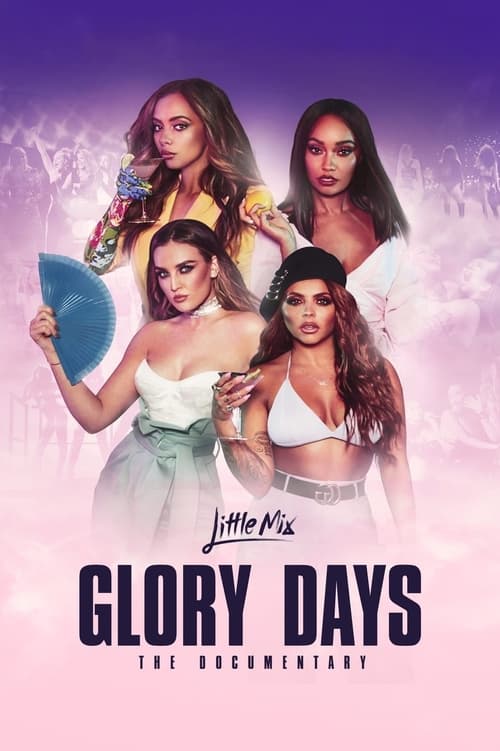
Little Mix: Glory Days - The Documentary
2017
No user ratings available yet
Representation score: 5.3 out of 10

Representation Score
Fair
2018
TV-14Director
Jessica Leski
Runtime
92 minutes
Average Rating
No ratings yetNew Showbiz Analysis
This documentary examines how pop culture influences personal identity by focusing on four women and their connection to iconic boybands. It elevates female-centric experiences that are often sidelined in mainstream discussions. The narrative shifts away from a singular historical perspective to highlight individual, personal truths. While the film successfully validates women’s emotional intelligence, it lacks specific details about racial backgrounds or explicit LGBTQ+ representation, resulting in a moderate diversity profile centered around gendered perspectives.
Category Breakdown
The film includes personal testimonies that may explore queer identity, but it does not show any same-sex intimacy or gender non-conformity.
The documentary highlights the emotional lives and roles of women, validating their experiences in fan culture as a positive influence rather than a marginal one.
Four women from diverse backgrounds are featured, though their specific ethnicities are not detailed. The aim is to represent a wide range of female experiences.
The film emphasizes lived experiences over traditional norms, using fandom as a means of self-discovery to challenge strict definitions of normalcy.
There is no indication of physical or neurodivergent disabilities being depicted in the documentary.
Present on Screen
Limited or Absent
Official Synopsis
The surprising coming of age story of four diverse women who have had their lives dramatically changed by their love of a boyband - Backstreet Boys, One Direction, Take That and The Beatles.
2017

2020
2024
2021

2020
2018

2013
2018
No reviews yet. Be the first to share your thoughts on this movie!
Use the rating form above to leave a star rating and optional review.