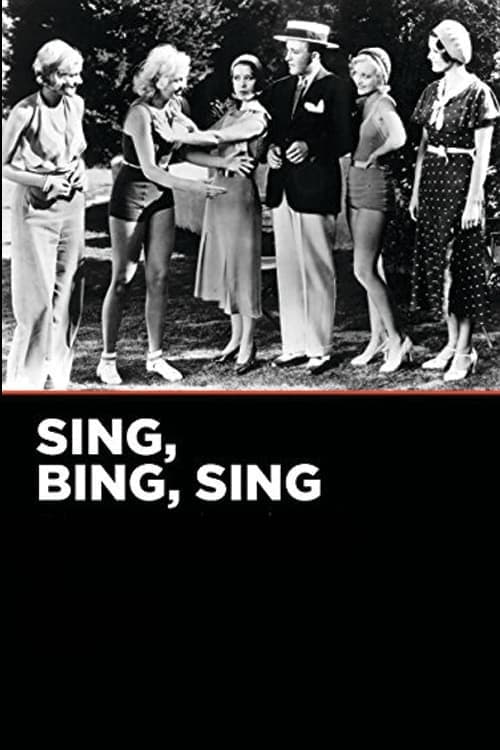
Sing, Bing, Sing
1933
No user ratings available yet
Diversity score: 1.8 out of 10
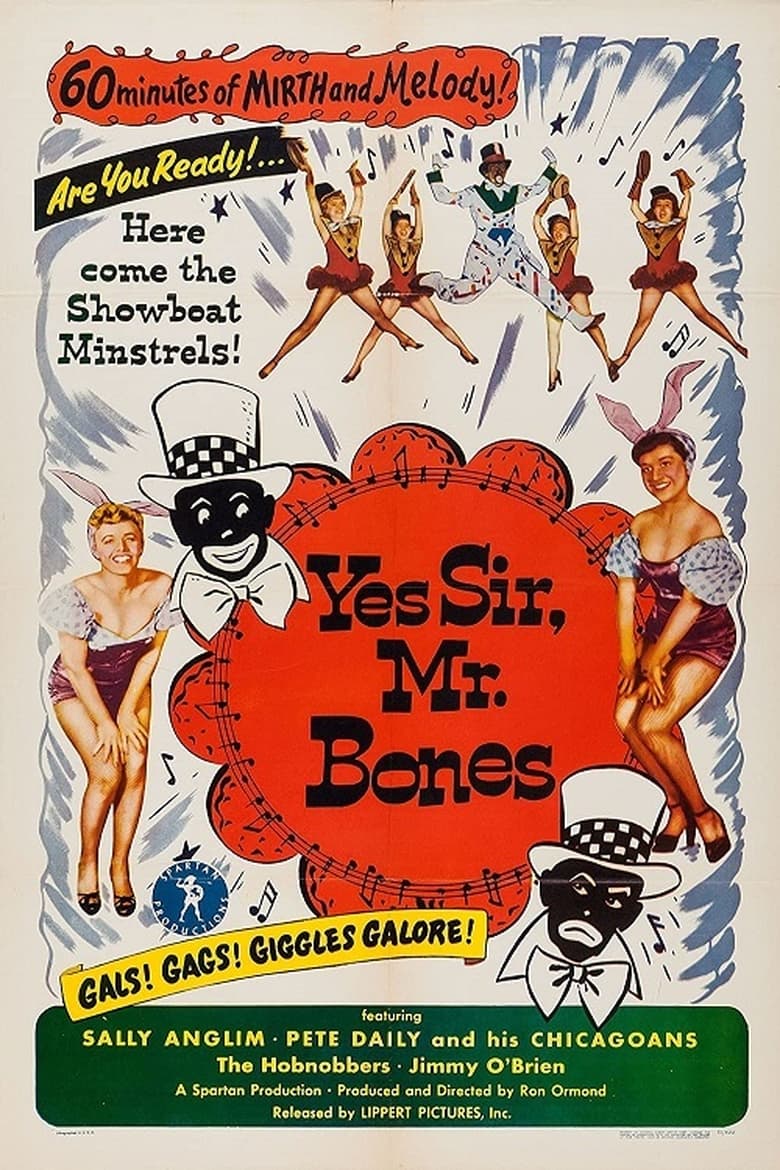
1951
ApprovedDirector
Ron Ormond
Runtime
54 minutes
Average Rating
No ratings yetSynopsis
A young boy finds himself in a home for retired minstrel acts. He's anxious to find out as much as he can about them, and flashbacks show what it was like back in the days of the minstrel shows.
Overall Score
Minimal
Category Breakdown
LGBTQ+ Representation
The film contains no identifiable LGBTQ+ characters or narratives. It adheres strictly to the traditionalist social norms of the 1950s American South.
Gender Representation
Gender dynamics are confined to traditional early 20th-century archetypes. Female characters occupy passive or secondary roles, reinforcing conventional domestic or supportive archetypes.
Racial & Ethnic Diversity
While featuring a predominantly Black cast, the film relies heavily on minstrel traditions. It uses racial caricatures and stereotypes as the primary engine for comedy.
Religious & Cultural Diversity
The film presents a romanticized version of plantation life. Spiritual-style music is present, but it bolsters the era's traditional landscape rather than challenging it.
Disability Representation
There are no meaningful or agentic depictions of disability. Physical slapstick is used, but it lacks any real character depth or representation.
Strengths
Areas for Improvement
AI Analysis
Yes Sir, Mr. Bones functions as a historical artifact of the mid-century exploitation market. It utilizes the minstrelsy tradition to build its narrative, framing Black characters through a lens of performative comedy rather than individual agency. The film reinforces historical hierarchies by employing racial archetypes and the 'plantation myth.' Instead of providing depth, the characters serve as vessels for slapstick and tropes designed for viewer amusement. Ultimately, the work stabilizes the social constraints of its era. It lacks any critique of the socioeconomic structures it depicts, opting instead to present a comedic version of the American South.
1933

1933
1939
1946
1938
1953
1930
1940
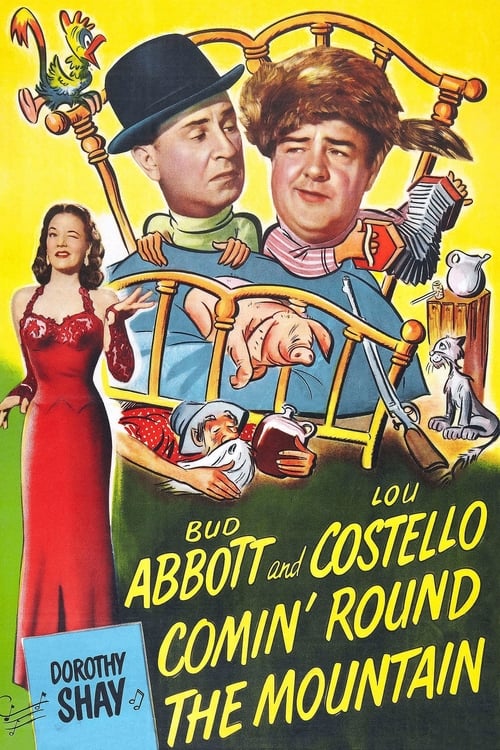
1951
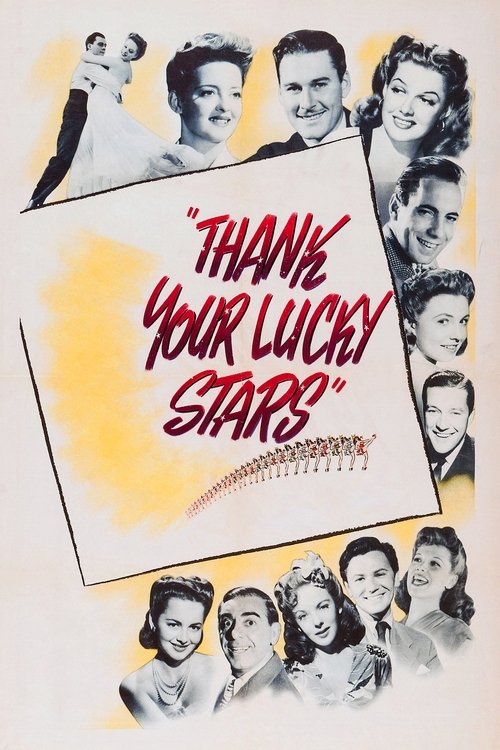
1943
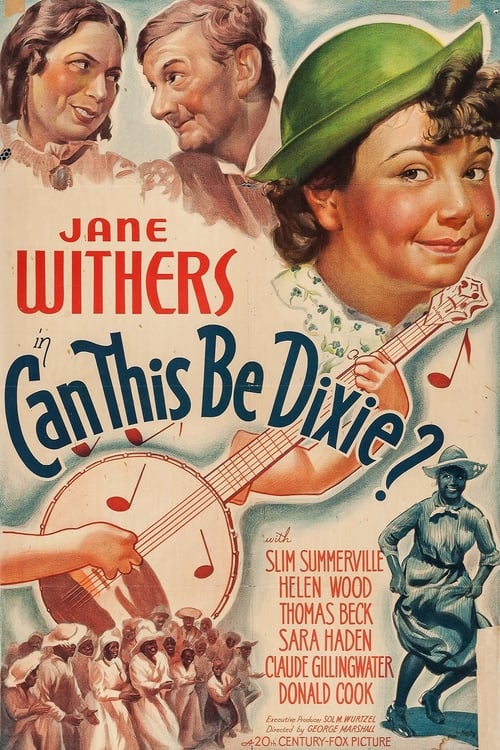
1936

1936
No reviews yet. Be the first to share your thoughts on this movie!
Use the rating form above to leave a star rating and optional review.