
Prime Cut
1972
No user ratings available yet
Representation score: 1.1 out of 10
Representation Score
Fair
1984
Director
Yves Boisset
Runtime
101 minutes
Average Rating
No ratings yetNew Showbiz Analysis
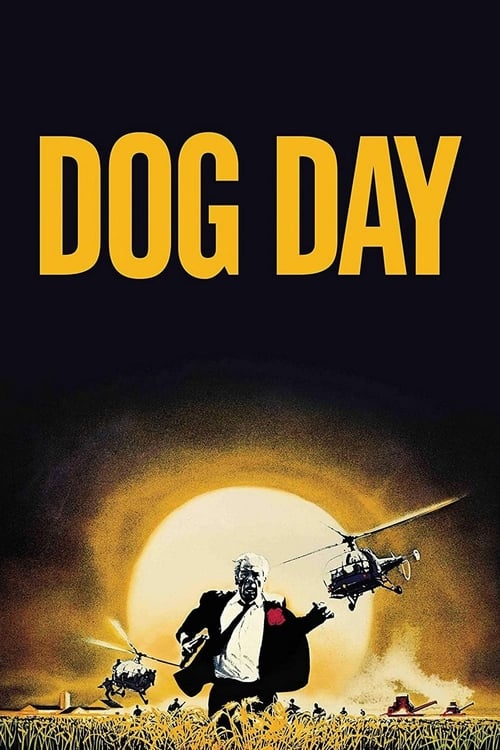
Dog Day is a visceral critique of institutional stability that prioritizes tension and survivalist instinct over demographic breadth. While the film provides a sophisticated deconstruction of state authority and moral relativism, it remains narrow in its social scope. The narrative is heavily anchored in hyper-masculine archetypes and physical dominance. This focus creates a claustrophobic environment that effectively excludes women's ability to drive the story and queer identities, resulting in low scores for gender and LGBTQ+ representation. Ultimately, the film's strength lies in its anti-authoritarian framework rather than its inclusivity. It functions as a study of systemic failure, even as it maintains the racial and social homogeneity typical of its 1984 crime-drama genre.
Category Breakdown
The film does not include any visible LGBTQ+ characters or non-cisgender identities. The story centers around hyper-masculine dynamics within a prison environment.
The story adheres to a traditional, male-dominated structure. Female characters have little influence, with power tied to physical strength and masculine traits.
The cast is primarily white and reflects the era and genre. There is no indication of diverse ethnic backgrounds used to challenge the setting's homogeneity.
The film successfully deconstructs Western institutions. It portrays the prison system as a site of dehumanization and systemic failure, rather than rehabilitation.
Characters lack visible or invisible disabilities. The narrative defines individuals by their capacity for violence or survival, leaving no room for nuanced disability portrayals.
Present on Screen
Limited or Absent
Official Synopsis
A criminal shows up at a farmhouse with the law on his heels and several million dollars in his possession.
1972
1972
1976

1974
1985

1995

1974
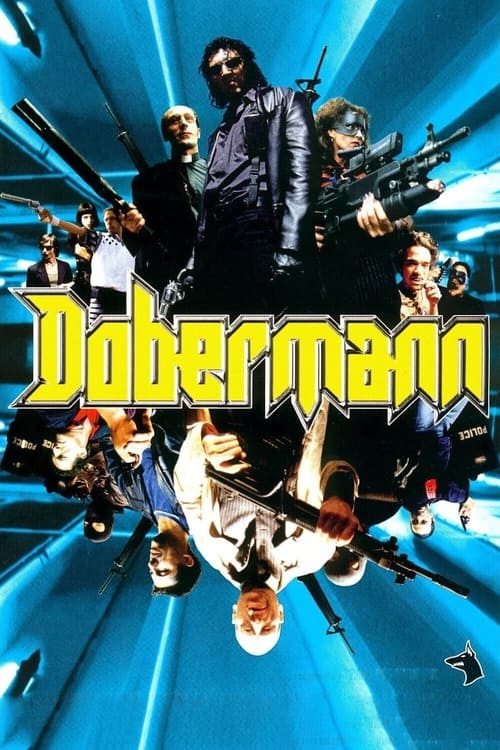
1997
No reviews yet. Be the first to share your thoughts on this movie!
Use the rating form above to leave a star rating and optional review.