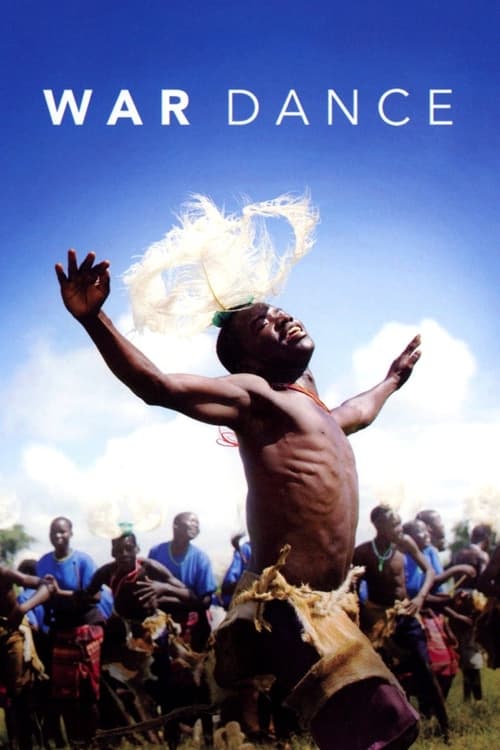
Sierra Leone's Refugee All Stars
2005
No user ratings available yet
Representation score: 6.4 out of 10
Representation Score
Good
2007
PG-13Director
Sean Fine, Andrea Nix Fine
Runtime
105 minutes
Average Rating
No ratings yetNew Showbiz Analysis
War Dance is a powerful documentary that shifts the focus from systemic victimhood to individual and communal resilience. By centering the role of displaced Ugandan children, the film avoids common humanitarian clichés. The narrative succeeds by prioritizing indigenous cultural expressions over Western-centric perspectives. This approach allows the subjects to drive the story through their own traditions and music. While the film lacks LGBTQ+ representation and focuses less on physical disabilities, it provides a sophisticated critique of the geopolitical structures that cause displacement.
Category Breakdown
The documentary focuses on the survival and cultural expression of displaced children. There are no visible LGBTQ+ characters or narratives addressing non-straight relationships.
The film provides a nuanced view of how gendered expectations interact with displacement trauma. The children demonstrate a significant role in driving the story through music and dance, disrupting clichés of children as passive victims.
The film centers a non-Western majority cast and avoids the white savior lens. It highlights specific northern Ugandan traditions, treating indigenous practices as the primary engine of the story.
By prioritizing local communal traditions, the film challenges Western-centric perspectives. It emphasizes cultural continuity and traditional music as essential tools for survival and community resilience.
The film implicitly addresses psychological trauma and PTSD resulting from war. The children navigate these mental health challenges through artistic expression, focusing on their competence rather than mere inspiration.
Present on Screen
Limited or Absent
Official Synopsis
Three children living in a displacement camp in northern Uganda compete in their country's national music and dance festival.
2005
2011
2008

2025
2010
2014
2003
2010
No reviews yet. Be the first to share your thoughts on this movie!
Use the rating form above to leave a star rating and optional review.