
Viva Las Vegas
1964
No user ratings available yet
Diversity score: 1.4 out of 10
1967
NRDirector
George Sidney
Runtime
143 minutes
Average Rating
No ratings yetSynopsis
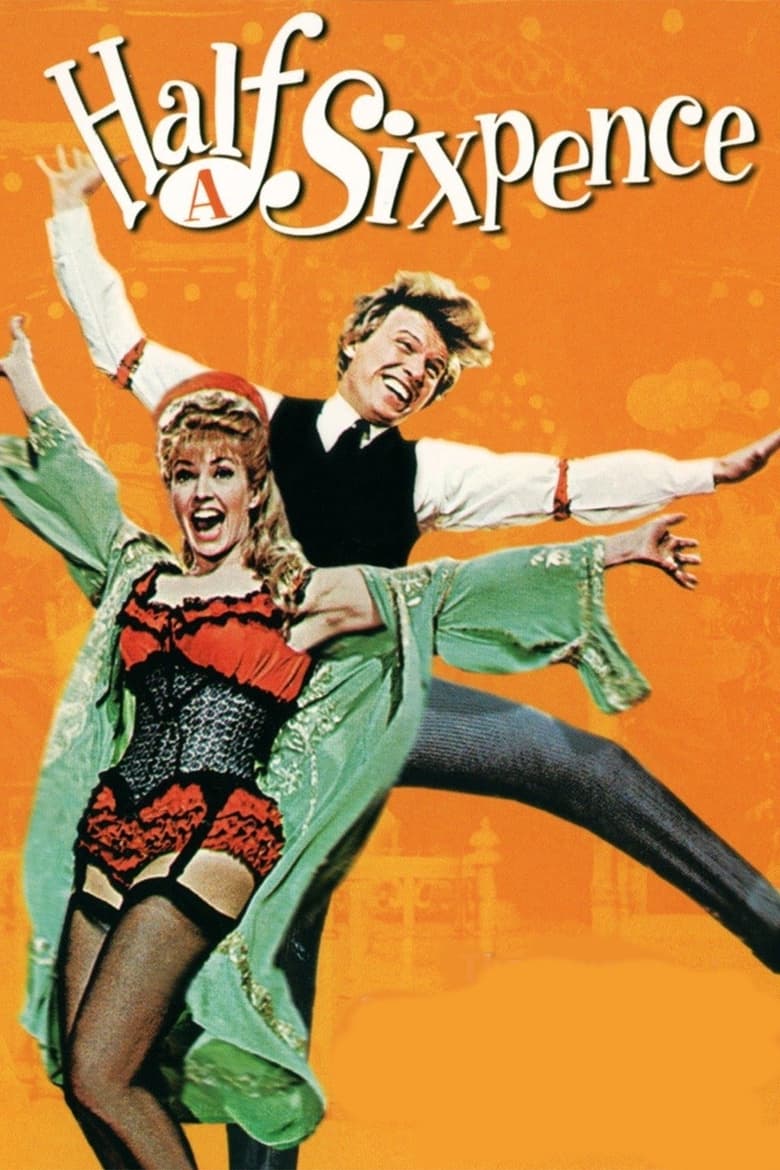
"If I had the money, I'd buy me a banjo!" says struggling sales clerk Arthur Kipps. Soon he'll inherit enough to buy a whole bloomin' orchestra. But can his newfound wealth buy happiness?
Overall Score
Limited
Category Breakdown
LGBTQ+ Representation
The film adheres strictly to heteronormative structures. The plot centers on a traditional romantic pairing between the protagonist and a female lead, with no presence of non-cisnormative identities.
Gender Representation
Gender hierarchies remain traditional, with agency residing almost entirely with the male protagonist. Female characters primarily occupy supportive or reactive roles within the musical spectacle.
Racial & Ethnic Diversity
The cast is overwhelmingly homogeneous, reflecting the Victorian setting and 1960s production standards. There is no evidence of color-blind casting or non-Anglo-Saxon characters.
Religious & Cultural Diversity
The story explores class distinctions through a lighthearted lens of social mobility. It treats the pursuit of wealth as a comedic vehicle rather than a systemic critique of institutions.
Disability Representation
There is no discernible representation of physical or neurodivergent disabilities. Characters are presented through a standardized lens of able-bodiedness common to the musical genre.
Strengths
Areas for Improvement
AI Analysis
Half a Sixpence is a quintessential product of its era, prioritizing traditional narrative arcs and conventional social hierarchies. It relies on established tropes of class-based musical comedy to drive its story. The film focuses on individual upward mobility rather than the disruption of systemic power dynamics. While it offers a colorful depiction of Victorian social strata, it lacks intersectional complexity. Ultimately, the production reinforces the social norms of its time, offering a conventional experience that avoids the subversion of identity or systemic critique.
No reviews yet. Be the first to share your thoughts on this movie!
Use the rating form above to leave a star rating and optional review.
