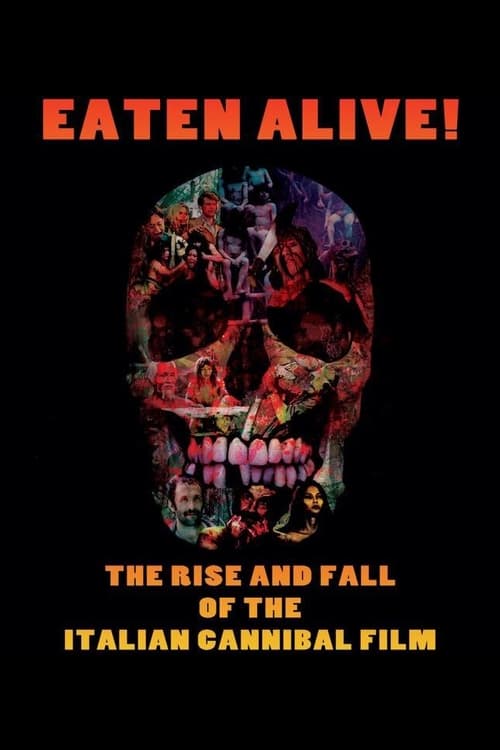
Eaten Alive! The Rise and Fall of the Italian Cannibal Film
2015
No user ratings available yet
Representation score: 2.4 out of 10
Representation Score
Minimal
2012
Director
Calum Waddell
Runtime
60 minutes
Average Rating
No ratings yetNew Showbiz Analysis
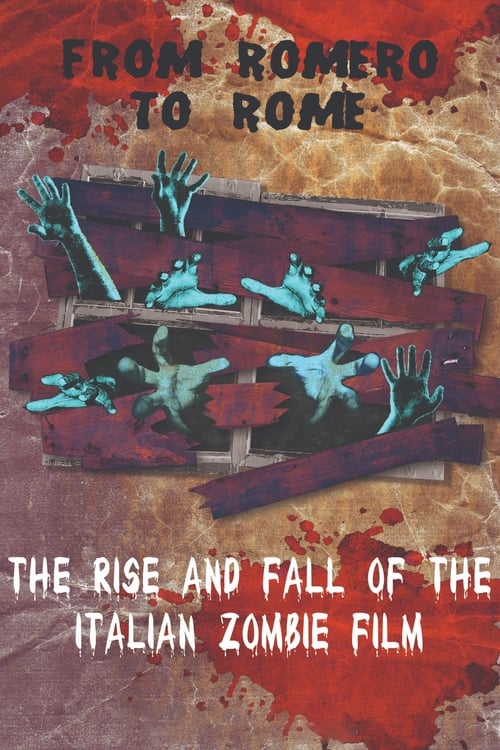
This documentary serves as a specialized historical overview of the Italian zombie subgenre. It prioritizes the technical lineage and evolution of genre clichés rather than social or identity-based narratives. Consequently, the film adheres to a traditionalist framework of film history, focusing on specific Western filmmakers without exploring broader social critiques.
Category Breakdown
The documentary does not include any characters or narratives related to LGBTQ+ identities. It focuses solely on historical figures and events without addressing LGBTQ+ representation.
The film emphasizes male directors such as Romero and Fulci, reinforcing traditional industry hierarchies. It lacks significant narratives or perspectives driven by women.
The study highlights exchanges between American and Italian cinema. However, it focuses exclusively on Western European and North American creators, excluding other cultural backgrounds.
This is a technical survey of filmic trends and genre clichés. It does not engage with systemic critiques or prioritize secular themes and anti-capitalist ideas.
The documentary does not address neurodivergence, physical disabilities, or mental health issues through its analysis of the genre or its creators.
Present on Screen
Limited or Absent
Official Synopsis
The history of Italian zombie cinema, beginning with the breakout worldwide influence and success of George Romero's Night of the Living Dead and continuing through to Lucio Fulci's trend-setting Zombie Flesh-Eaters (Zombi 2) and its many imitators.
2015
2019
2008
2010
2016
2013
2003
2008
No reviews yet. Be the first to share your thoughts on this movie!
Use the rating form above to leave a star rating and optional review.