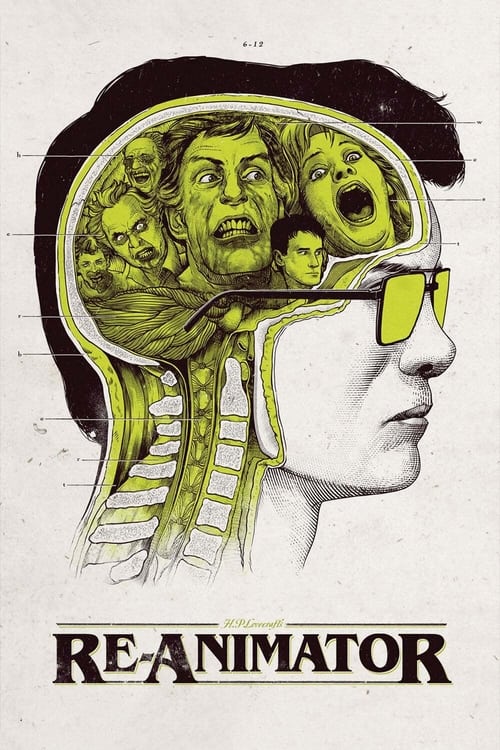
Re-Animator Resurrectus
2007
No user ratings available yet
Diversity score: 3.9 out of 10
2003
Director
Perry Martin
Runtime
39 minutes
Average Rating
No ratings yetSynopsis
Documentary of the making of George A. Romero's zombie classic Day of the Dead.
Overall Score
Limited
Category Breakdown
LGBTQ+ Representation
The film focuses on the technical crew and the original cast. It lacks any discernible focus on LGBTQ+ identities or non-heteronormative narratives.
Gender Representation
The documentary reflects the male-dominated industry landscape of the 1980s. While female contributors are included, the narrative centers on male directors and technical leads.
Racial & Ethnic Diversity
The retrospective emphasizes the white-majority technical and directorial staff of the original production. It does not highlight intersectional racial dynamics within the making-of process.
Religious & Cultural Diversity
The film serves as a nostalgic celebration of American pop culture and cult cinema. It avoids critiques of Western institutions, religion, or capitalism.
Disability Representation
There is no visible or discussed representation of physical or neurodivergent disabilities. The content remains centered on the labor and artistry of the production crew.
Strengths
Areas for Improvement
AI Analysis
This documentary functions as a specialized archival study of George A. Romero’s filmmaking process. Because its purpose is to document technical craft and practical effects, it lacks intentional social commentary or character-driven diversity narratives. The film's low scores reflect the historical reality of the 1980s film industry rather than active exclusion. The narrative architecture prioritizes the technical and directorial staff, which results in a predominantly white and male-centered perspective. Ultimately, the work is a celebratory look at cinematic history. It does not aim to challenge social norms or implement intersectional frameworks, focusing instead on the preservation of a specific production's legacy.
2007
2006
2005
1998
1985
2003
1995
2000
1980

2011
2008

2015
No reviews yet. Be the first to share your thoughts on this movie!
Use the rating form above to leave a star rating and optional review.