
Madly in Life
2020
No user ratings available yet
Diversity score: 5.0 out of 10
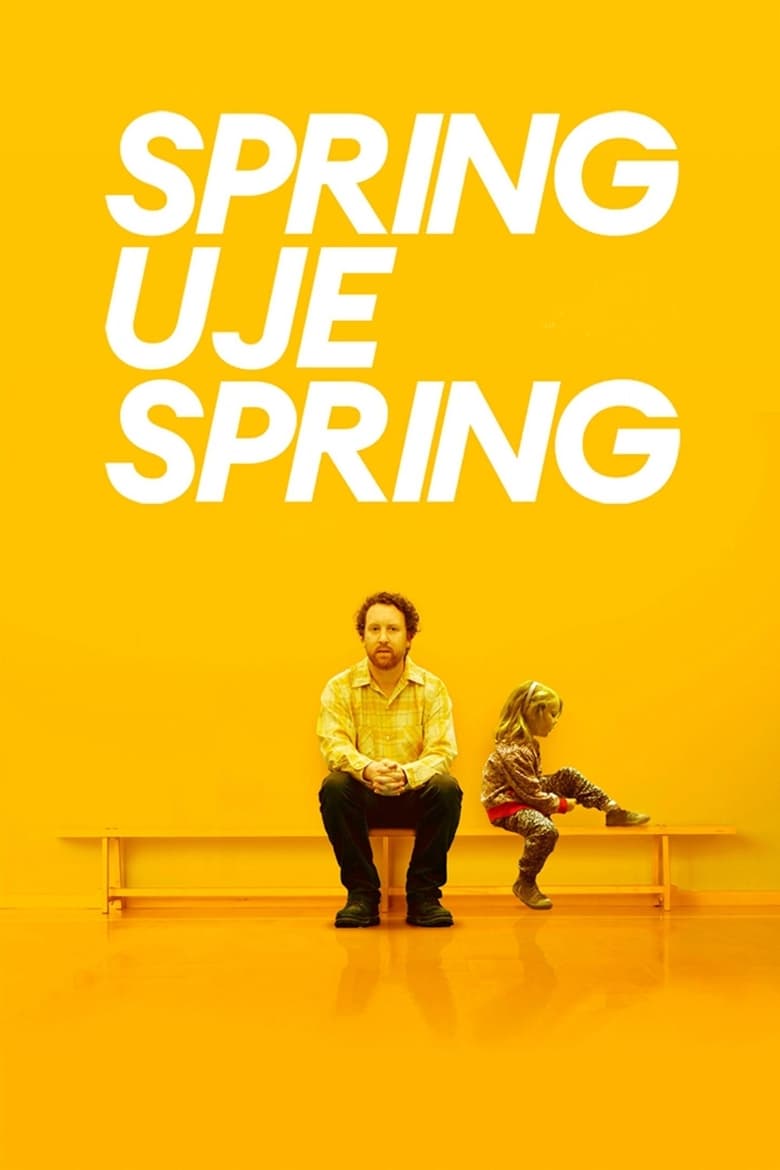
2020
Director
Henrik Schyffert
Runtime
78 minutes
Average Rating
No ratings yetSynopsis
Uje, a pop star in the 1990s, gets diagnosed with Parkinson's. This is a film about his everyday struggles.
Overall Score
Fair
Category Breakdown
LGBTQ+ Representation
The film lacks explicit evidence of LGBTQ+ characters or narratives. It focuses on a specific individual's health journey rather than exploring queer identities.
Gender Representation
The story centers on a male protagonist, which maintains a male-centric perspective. However, it subverts traditional masculine tropes by replacing celebrity dominance with physical vulnerability.
Racial & Ethnic Diversity
As a localized Swedish production, the film appears to follow a relatively homogeneous social framework. There is no evidence of intentional racial blending or intersectional casting.
Religious & Cultural Diversity
The narrative prioritizes personal truth and humanistic values over institutional perfection. It validates the complexities of bodily dysfunction and the loss of social status.
Disability Representation
The film excels by centering a character with Parkinson’s disease. It avoids 'inspiration porn' by focusing on the unvarnished, mundane realities of living with a chronic illness.
Strengths
Areas for Improvement
AI Analysis
Run Uje Run is a character-driven study that finds its most significant impact in its portrayal of disability. By focusing on the granular, everyday struggles of a former pop star facing Parkinson's, the film avoids superficial tropes in favor of a realistic, humanistic perspective. While the film succeeds in deconstructing traditional masculine archetypes through vulnerability, it remains limited in its broader social scope. The narrative lacks evidence of intersectional diversity, particularly regarding race, ethnicity, and LGBTQ+ identities, appearing instead as a localized, homogeneous Swedish drama. Ultimately, the film's strength lies in its refusal to lean on 'triumph of the will' clichés. It offers a grounded exploration of how a neurodegenerative condition reshapes a person's identity and social standing.
2020
2012

1999
2002
2013

2011

2015
2017
1993

2015

2019
2019
No reviews yet. Be the first to share your thoughts on this movie!
Use the rating form above to leave a star rating and optional review.