You are here:

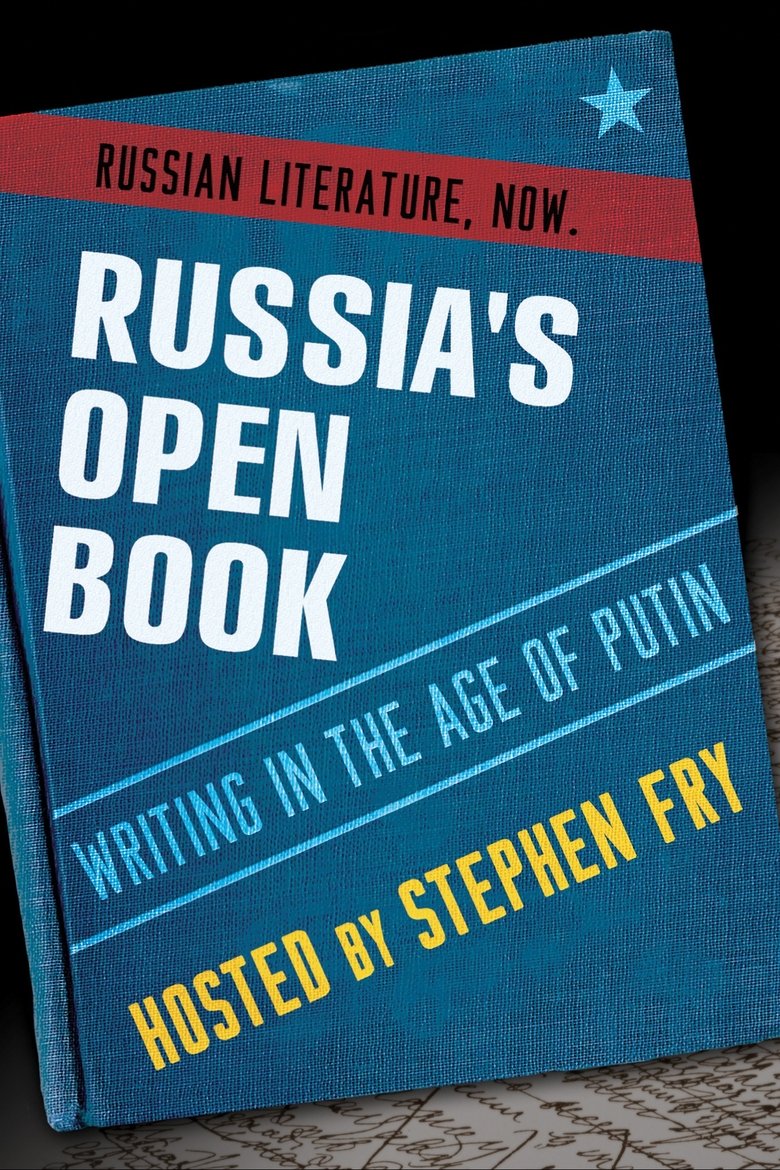
Russia's Open Book: Writing in the Age of Putin

Russia's Open Book: Writing in the Age of Putin

Representation Score

6.0/10

Fair

2013

TV-G

Director

Paul Mitchell, Sarah Wallis

Runtime

55 minutes

Average Rating

No ratings yet

New Showbiz Analysis

The documentary succeeds in challenging traditional power structures by elevating individual literary voices against a restrictive sociopolitical backdrop. By centering female authors and intellectuals who resist state-mandated narratives, it provides a sophisticated look at cultural autonomy. However, the film's scope is geographically and ethnically narrow. Because it focuses specifically on the Russian literary canon, it lacks racial intersectionality and provides no visible representation of disability. Ultimately, the film's strength lies in its intellectual diversity and its subversion of patriarchal and state-driven orthodoxies, even if its demographic breadth is limited.

Watch this, not that →

Category Breakdown

Does Russia's Open Book: Writing in the Age of Putin have LGBTQ+ representation?

Fair

The film highlights authors who operate outside traditional social norms in a restrictive environment. Though specific depictions of intimacy are not detailed, the focus on personal autonomy suggests moderate LGBTQ+ representation.

How does Russia's Open Book: Writing in the Age of Putin portray gender?

Good

The documentary disrupts patriarchal hierarchies by centering prominent female voices such as Mariam Petrosyan and Anna Starobinets, positioning them as significant literary leaders shaping global discourse.

How racially and ethnically diverse is Russia's Open Book: Writing in the Age of Putin?

Fair

The subjects remain largely homogeneous in terms of ethnicity due to the film's focus on the Russian landscape. It functions as a cultural bridge rather than a study of racial intersectionality.

How does Russia's Open Book: Writing in the Age of Putin represent religion and culture?

Excellent

The narrative prioritizes individual voices over state-sanctioned patriotism or religious orthodoxy, offering a strong critique of centralized authority and institutional narratives.

Does Russia's Open Book: Writing in the Age of Putin include disability representation?

Minimal

There is no evidence regarding the portrayal of physical or neurodivergent disabilities within the film's subjects or narrative.

Present on Screen

  • Strong emphasis on female literary figures like Lyudmila Ulitskaya.
  • Effective critique of centralized authority and state-sanctioned narratives.
  • Highlights intellectual autonomy and personal freedom in restrictive environments.

Limited or Absent

  • Lacks racial and ethnic diversity within the Russian context.
  • Provides no visible representation of physical or neurodivergent disabilities.
  • Limited explicit detail regarding LGBTQ+ specific depictions.

Official Synopsis

Who is the new Tolstoy, Dostoevsky, or Gogol waiting to be discovered by the English-speaking world? Hosted by actor, author, and activist Stephen Fry, focuses on six authors whose vibrant, idiosyncratic work continues to gain traction with a global audience: Dmitry Bykov, Mariam Petrosyan, Zakhar Prilepin, Anna Starobinets, Vladimir Sorokin, and Lyudmila Ultiskaya. With contributions from their literary critics, publishers, and peers, the film features extensive interviews with each author.

How are these scores produced? →

Where to Watch

Rate this Movie

No rating selected
Use arrow keys to select a rating from 1 to 5 stars
Optional text review, maximum 2000 characters
Tip: Wrap spoilers with ||double pipes|| to hide them
0/2000 characters
You must be signed in to submit a rating

Reviews

No reviews yet. Be the first to share your thoughts on this movie!

Use the rating form above to leave a star rating and optional review.