
American Eagle
1989
No user ratings available yet
Representation score: 2.4 out of 10
Representation Score
Limited
1989
RDirector
H. Kaye Dyal
Runtime
94 minutes
Average Rating
No ratings yetNew Showbiz Analysis
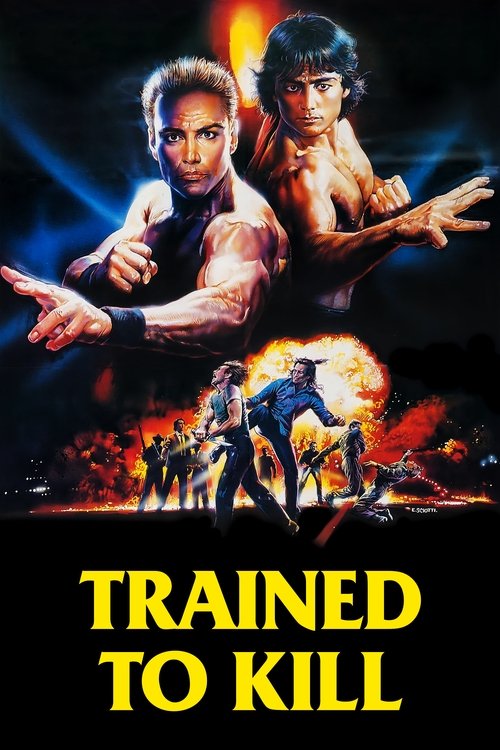
Trained To Kill is a product of late-80s action cinema, prioritizing kinetic energy and personal revenge over diverse storytelling. The film operates within established genre norms, focusing on personal retribution rather than social or institutional critique. The narrative structure leans heavily on traditional male archetypes and moral binaries. While the setting offers a glimpse into Southeast Asian diaspora themes, the character development lacks the depth to go beyond genre clichés. Ultimately, the film lacks the intentionality needed to challenge social hierarchies. It functions as a standard genre piece that upholds the conventional cinematic frameworks of its era.
Category Breakdown
The film follows traditional heterosexual storylines common in 1989 action cinema. There are no LGBTQ+ characters or narratives that question social norms.
The story centers on traditional male archetypes focused on revenge and survival. Female characters do not have significant roles or challenge gender hierarchies.
A connection between Cambodia and Los Angeles hints at themes involving the Southeast Asian diaspora. However, the representation likely fits within standard action clichés.
The story emphasizes individualist justice and personal retribution rather than systemic critiques. It leans heavily on typical late-20th-century action-hero formulas.
There are no characters with disabilities who have significant roles. Physical trauma serves mainly as a plot device for motivation without deeper exploration.
Present on Screen
Limited or Absent
Official Synopsis
From the fields of Cambodia to the mean streets of L.A., there's no escaping death and it's blinding revenge.
1989

1982

1986
1983
1982
1981
1987

1989
No reviews yet. Be the first to share your thoughts on this movie!
Use the rating form above to leave a star rating and optional review.