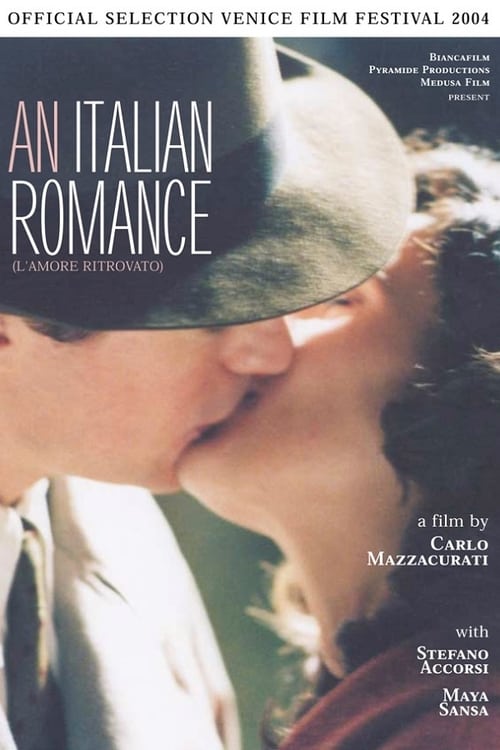
An Italian Romance
2004
No user ratings available yet
Representation score: 1.4 out of 10
Representation Score
Fair
2002
Director
Silvio Soldini
Runtime
118 minutes
Average Rating
No ratings yetNew Showbiz Analysis
Silvio Soldini’s drama succeeds in challenging conventional European narratives by focusing on an immigrant protagonist. By centering Tobias, the film questions the notion of a homogeneous Western society and emphasizes the emotional depth of the displaced worker. The film also avoids traditional patriarchal stereotypes by portraying Caroline with her own choices and complex domestic situation. This shifts the focus from simple romance to a deeper exploration of autonomy and social integration. However, the film lacks representation of LGBTQ+ identities and disability, focusing instead on ethnic displacement and traditional romantic dynamics.
Category Breakdown
The story focuses on a romantic longing between a male immigrant and a married woman, without showing any LGBTQ+ characters or non-straight relationships.
Caroline is shown as a woman with ability to act, having an established marriage and child. The film explores her independence and domestic life rather than relying on submissive feminine stereotypes.
The film centers on the experiences of an Eastern European immigrant in a Swiss industrial setting. This disrupts typical homogeneous Western European narratives by highlighting the immigrant's perspective.
The story deals with themes of displacement and the conflict between individuals and Western European institutions. It uses a mechanical factory setting to symbolize the alienation of migrants.
There is no indication of physical or neurodivergent disabilities being portrayed in this work.
Present on Screen
Limited or Absent
Official Synopsis
For ten years, immigrant Tobias has worked at a Swiss clock factory and, in the relentless ticking, he saw life go by without much expectation. One day, he sees Caroline, a former schoolmate from back in Eastern Europe, and falls in love with her, but she's married and has a daughter.
2004
2004
1994
2009
2015
1996
2001
2015
No reviews yet. Be the first to share your thoughts on this movie!
Use the rating form above to leave a star rating and optional review.