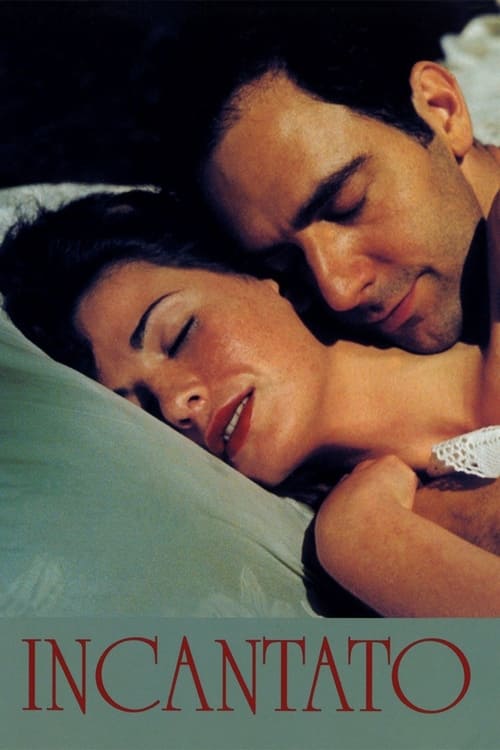
Incantato
2003
No user ratings available yet
Representation score: 4.3 out of 10
Representation Score
Fair
1994
Director
Francesca Archibugi
Runtime
113 minutes
Average Rating
No ratings yetNew Showbiz Analysis
Francesca Archibugi’s period drama explores the tension between systemic authority and individual ability to act. Instead of relying on diverse demographic representation, the film emphasizes deconstructing class-based tyranny and the traditional romantic heroine. The story centers on a woman navigating displacement and non-traditional roles, which disrupts the expected morality of 19th-century period pieces. This approach favors complex social dynamics over idealized archetypes. However, the film remains confined by its historical setting, resulting in a homogeneous cast and a conventional straight-centered romantic framework.
Category Breakdown
The film follows a traditional heterosexual relationship between Pietro and Ghisola. It doesn't include any non-binary or transgender characters or stories that challenge the assumption that everyone is straight or cisgender.
Ghisola's journey challenges the passive female stereotype by focusing on her ability to act and survival. The film subtly questions male dominance through the tension between patriarchal authority and emotional autonomy.
The cast reflects the homogenous demographics of 19th-century Tuscan society. While there is no multicultural casting, the film highlights class distinctions rather than promoting racial hierarchy.
The narrative critiques traditional Western power structures and oppressive class hierarchies. It moves away from strict moral codes by examining the situational ethics of Ghisola's life as a mistress.
There is no evidence of the portrayal of physical or cognitive disabilities in this work.
Present on Screen
Limited or Absent
Official Synopsis
In the Tuscan countryside at the end of the 19th century, Pietro, the shy son of a tyrannical landowner, falls in love with Ghisola, a peasant girl with no family. His father has her sent away. Years later, the two meet again: still in love with her, Pietro would like to marry her, but she has become the mistress of a married man.
2003
1957
2004

1971

2021
1996
2002

1993
No reviews yet. Be the first to share your thoughts on this movie!
Use the rating form above to leave a star rating and optional review.