A Pair of Briefs
1962
No user ratings available yet
Diversity score: 3.3 out of 10
1956
NRDirector
Ralph Thomas
Runtime
87 minutes
Average Rating
No ratings yetSynopsis
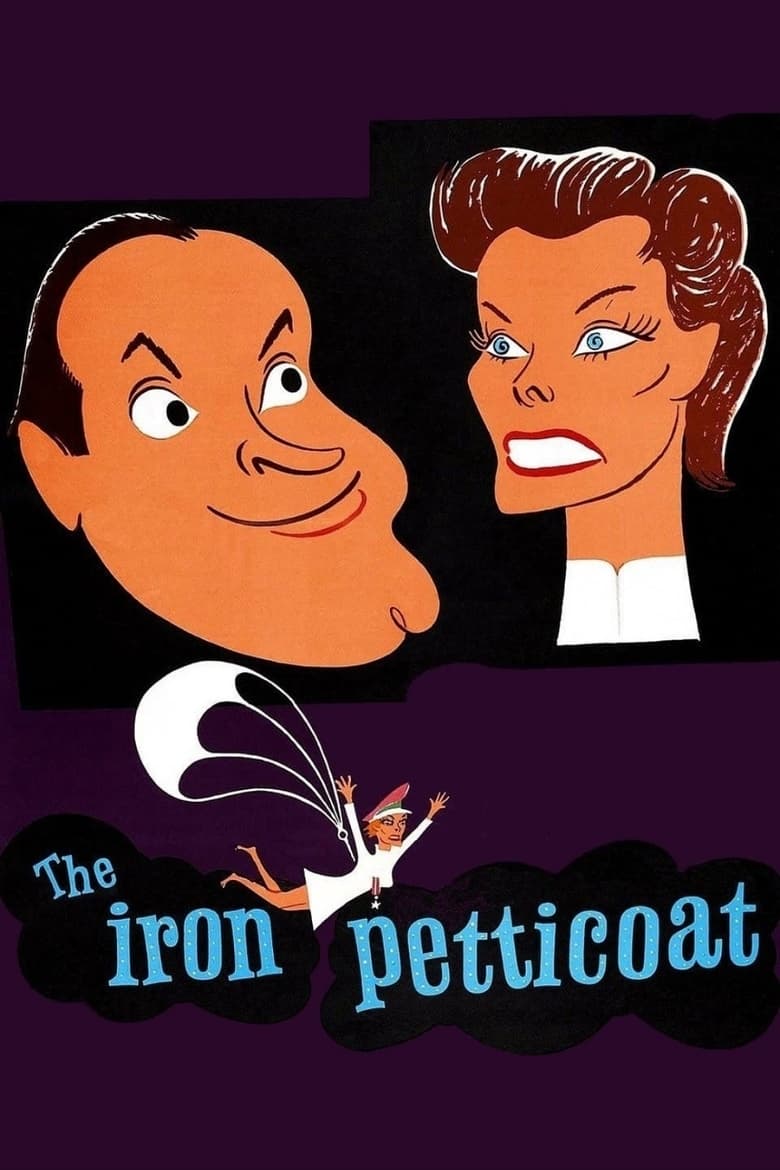
Captain Vinka Kovalenko defects from Russia, but not for political reasons. She defects because she feels discriminated against as a woman. Captain Chuck Lockwood gets the order to show her the bright side of capitalism, while she tries to convince him of the superiority of communism. Naturally, they fall in love, but there's still the KGB, which doesn't like the idea of having a defected Russian officer running around in London.
Overall Score
Fair
Category Breakdown
LGBTQ+ Representation
The film lacks LGBTQ+ characters or non-heteronormative romantic arcs. The central tension follows a conventional heterosexual trajectory between the protagonist and Captain Lockwood.
Gender Representation
Captain Vinka Kovalenko is a highly competent officer whose defection stems from gender-based professional limitations. This subverts mid-century hierarchies by granting her significant agency and active negotiation of her status.
Racial & Ethnic Diversity
The cast and setting are predominantly white and Anglo-centric. While the protagonist is Russian, this serves as a geopolitical marker rather than a deep exploration of ethnic intersectionality.
Religious & Cultural Diversity
The narrative deconstructs Western and Eastern values through a comedic lens. It uses the ideological divide between capitalism and communism as a backdrop for personal agency and moral relativism.
Disability Representation
There are no visible or invisible disabilities portrayed within the primary character arcs or the ensemble.
Strengths
Areas for Improvement
AI Analysis
The film stands out for its progressive handling of gendered agency. By centering a female protagonist whose primary motivation is systemic discrimination rather than geopolitics, the narrative disrupts traditional 1950s tropes of passive female leads. However, the production is constrained by the era's lack of intersectionality. The absence of LGBTQ+ representation and the predominantly white, Anglo-centric cast limit the film's broader diversity profile. Ultimately, the work succeeds in using a Cold War setting to explore professional grievances, providing a sophisticated layer of character motivation that elevates it above standard romantic comedies of the period.
1962
1967
1966
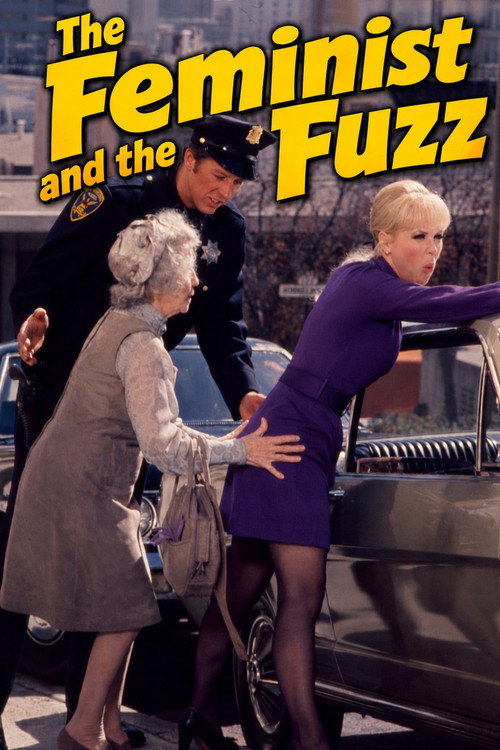
1971
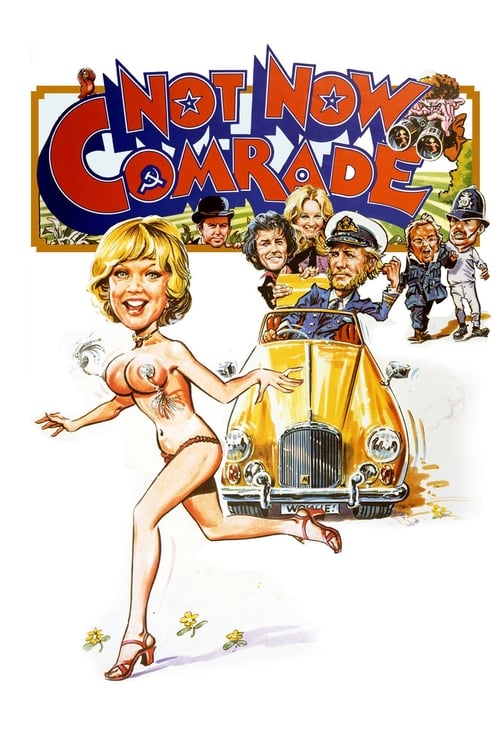
1976
1968
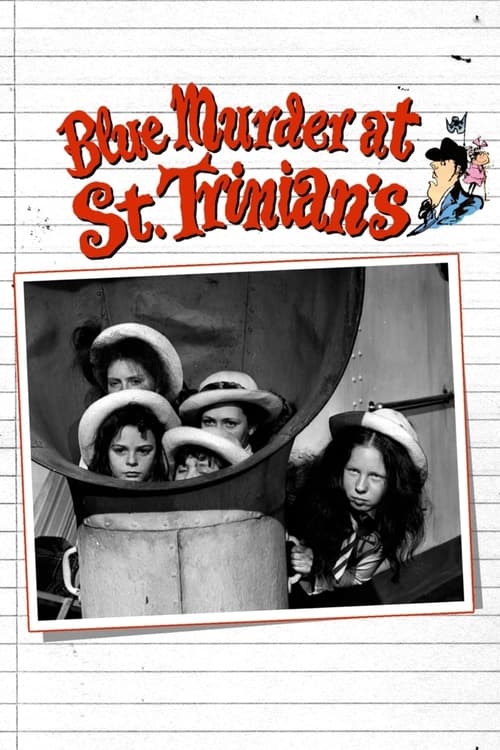
1957
1960

1970
1970

1961
1968
No reviews yet. Be the first to share your thoughts on this movie!
Use the rating form above to leave a star rating and optional review.