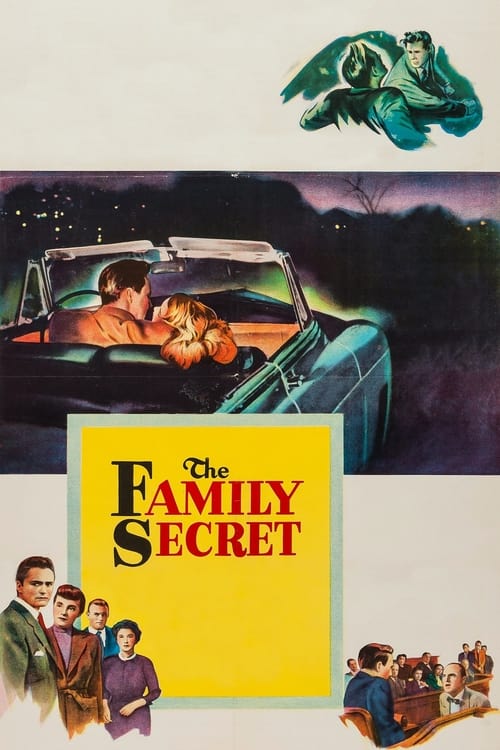
The Family Secret
1951
No user ratings available yet
Representation score: 1.8 out of 10
Representation Score
Minimal
1945
ApprovedDirector
John Larkin
Runtime
68 minutes
Average Rating
No ratings yetNew Showbiz Analysis
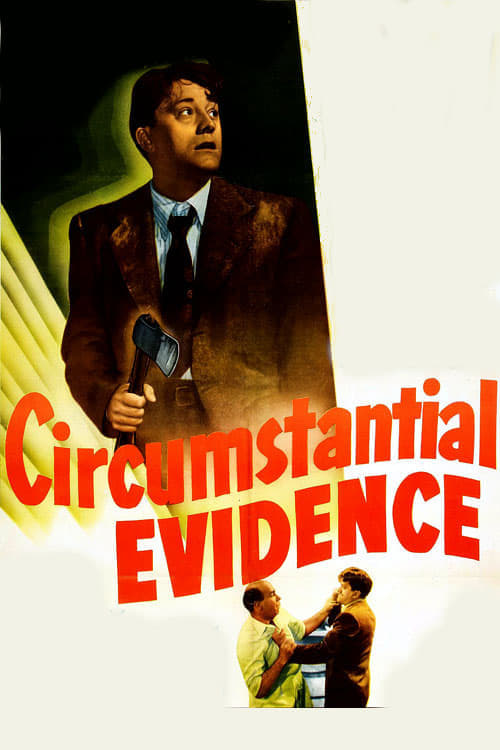
Circumstantial Evidence is a product of its 1945 production context, adhering strictly to the conventional social and cinematic standards of the post-war era. The story revolves around a patriarchal framework, focusing almost exclusively on male characters navigating a legal struggle to save a man on death row. Since the film centers on traditional kinship and established legal institutions, it lacks the narrative tools to challenge mid-century social hierarchies. It functions as a standard crime drama that reinforces the status quo rather than disrupting it. Ultimately, the film offers very little in the way of diverse representation, reflecting the homogeneous demographic patterns typical of mid-century American genre filmmaking.
Category Breakdown
The film focuses on traditional family and friendship bonds between a son and his friend. It does not include any characters with non-traditional gender identities or challenge the assumption that everyone is straight or cisgender.
The story is driven by male characters, emphasizing a father, son, and friend. It reinforces mid-century hierarchies by placing men as the main actors in a legal crisis.
The film seems to center on a typical Western social unit. There is no indication of diverse casting or an ensemble that breaks from the era's homogeneous norms.
The plot highlights traditional Western values of kinship and duty. It operates within established legal and state institutions without critiquing them as oppressive systems.
The synopsis does not mention any characters with physical, sensory, or neurodivergent conditions. No assessment of their roles or impact is possible.
Present on Screen
Limited or Absent
Official Synopsis
A man waits on death row while his son and friend try to prove that he did not kill a grocer with an ax.
1951

1956
1950

1939

1950

1940
1946
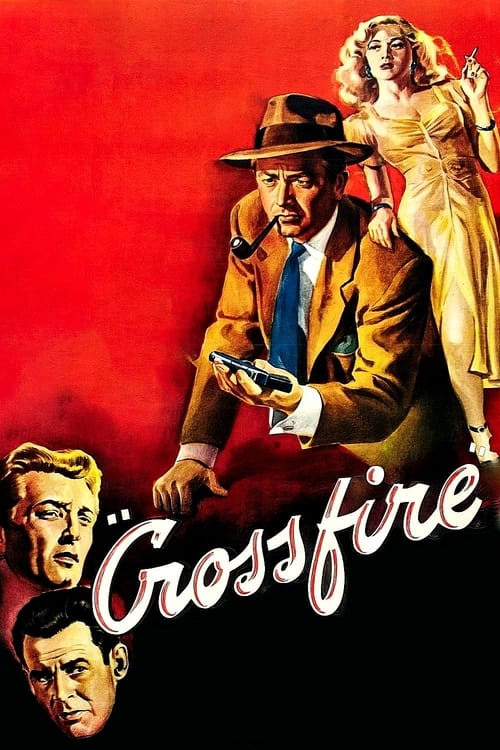
1947
No reviews yet. Be the first to share your thoughts on this movie!
Use the rating form above to leave a star rating and optional review.