In the Blink of an Eye
1996
No user ratings available yet
Representation score: 2.7 out of 10
Representation Score
Excellent
2006
Director
Bob Balaban
Runtime
95 minutes
Average Rating
No ratings yetNew Showbiz Analysis
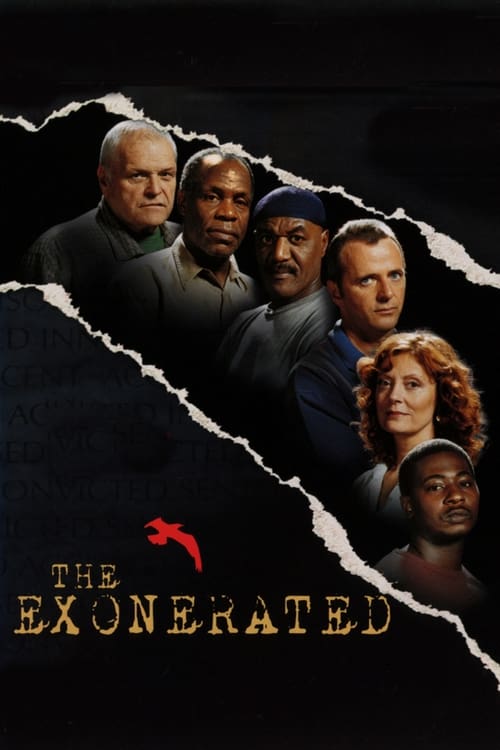
The film critically examines institutional integrity, focusing on the flaws of the death penalty. It uses an anthology format to deconstruct state-sanctioned authority through the experiences of the wrongfully convicted. The narrative's strength lies in its critique of systemic inequities. By highlighting those the system has failed, it challenges the perceived infallibility of Western legal institutions and draws attention to the disproportionate impact on underrepresented communities. However, the film lacks specific character details regarding gender, disability, or LGBTQ+ identities. This leaves much of the representation open to interpretation through broader sociological themes of systemic bias and institutional failure.
Category Breakdown
The film doesn't provide explicit details about LGBTQ+ identities. However, it touches on wrongful convictions, which can affect LGBTQ+ individuals.
The film focuses on individual ability to act against state power. It highlights the moral authority of vulnerable individuals, but the gender breakdown of the main subjects is unspecified.
The film examines the historical connection between racial disparities and the death penalty. It looks at how systemic biases and racialized power dynamics affect non-white populations in the legal system.
The story criticizes traditional Western institutions and state-sanctioned authority. It emphasizes individual subjective truth over the perceived objective authority of the legal system.
There is no explicit mention of neurodivergence or mental health conditions. The score reflects the potential impact of cognitive differences on navigating the justice system.
Present on Screen
Limited or Absent
Official Synopsis
Six people tell their stories on a single subject - how they got wrongfully convicted to death penalty, but later got exonerated.
1996
1989
2005

2020
2015
2012
2013
2015
No reviews yet. Be the first to share your thoughts on this movie!
Use the rating form above to leave a star rating and optional review.