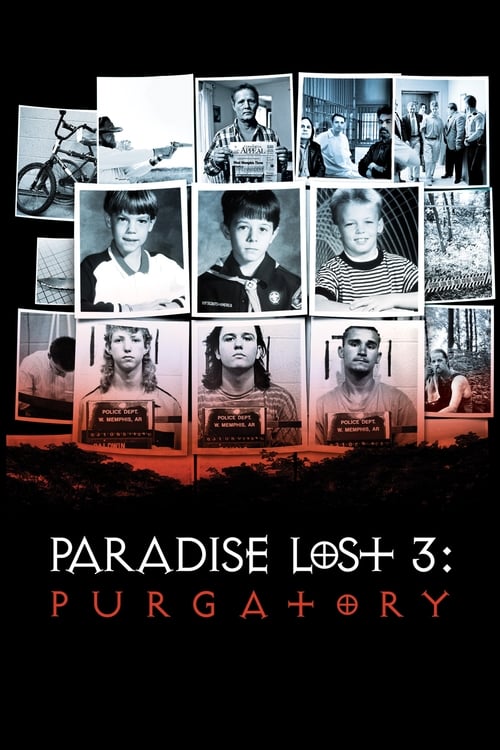
Paradise Lost 3: Purgatory
2012
No user ratings available yet
Representation score: 2.9 out of 10
Representation Score
Excellent
2005
UnratedDirector
Jessica Sanders
Runtime
95 minutes
Average Rating
No ratings yetNew Showbiz Analysis
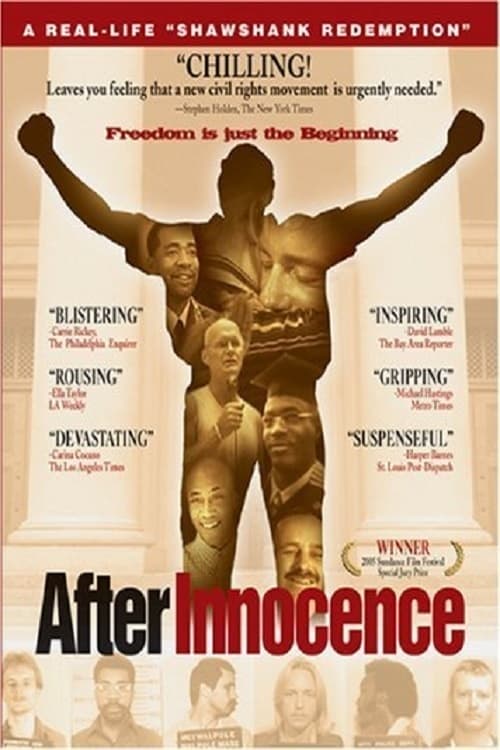
After Innocence is a critical examination of the carceral state and the fallibility of legal institutions. It shifts the focus from traditional crime clichés to a study of systemic injustice and the reclamation of control by those sidelined by the state. The film's strength lies in its deconstruction of the infallible state. By prioritizing the lived experiences of the exonerated, the narrative shifts power from the institution to the individual, offering a sophisticated look at human rights and systemic failure. While the film engages with themes of racial inequity and psychological trauma, specific demographic details are limited. It functions primarily as an institutional critique of Western legal authority.
Category Breakdown
The film does not provide specific evidence regarding sexual orientation or gender identity. It maintains a neutral stance due to the absence of such details.
The film deconstructs the archetype of the masculine criminal by showing men stripped of control by the state. It offers a nuanced look at survival and reclaiming one's identity.
The subject of DNA exoneration involves frameworks of racial inequality. The film addresses systemic errors tied to the disproportionate impact of justice systems on communities of color.
The documentary provides a high degree of institutional critique. It portrays Western legal and carceral systems as flawed, oppressive structures rather than bastions of justice.
The film explores the psychological and physical trauma resulting from long-term incarceration. Subjects are shown taking control as they navigate the aftermath of their experiences.
Present on Screen
Limited or Absent
Official Synopsis
A moving account of the experiences of men exonerated after years, and sometimes decades, in prison following newly found DNA evidence.
2012
2015
2015

2020

2015
2012
2011

2011
No reviews yet. Be the first to share your thoughts on this movie!
Use the rating form above to leave a star rating and optional review.