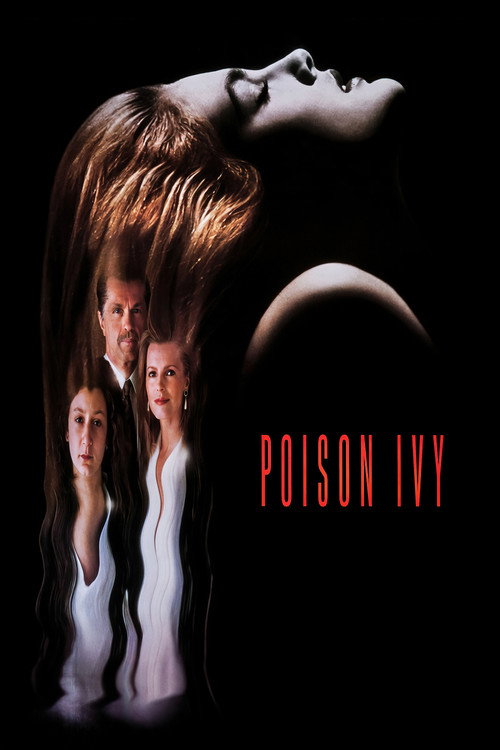
Poison Ivy
1992
No user ratings available yet
Representation score: 2.9 out of 10
Representation Score
Limited
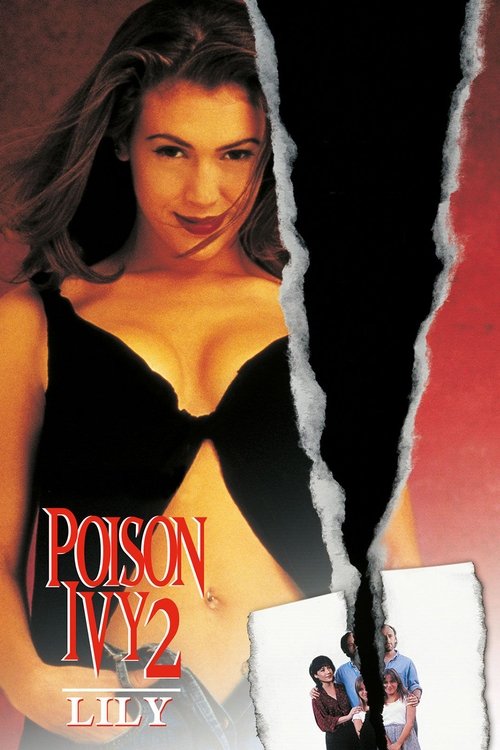
1996
RDirector
Anne Goursaud
Runtime
106 minutes
Average Rating
No ratings yetNew Showbiz Analysis
Poison Ivy 2: Lily is a psychological character study that emphasizes the subversion of traditional gender hierarchies. The protagonist's ability to command attention from men challenges passive female stereotypes. However, the film's impact is constrained by a lack of multi-layered depth. Homogeneous casting and a focus on psychological obsession limit engagement with broader social or cultural diversity. Ultimately, while the film effectively deconstructs the stability of the 'self' and gendered hierarchies, it falls short in addressing broader social and cultural diversity.
Category Breakdown
The film focuses on heterosexual desires and a psychological obsession with a deceased peer. It does not explicitly address non-binary gender identities or challenge straight-centered assumptions.
The movie challenges traditional gender roles by emphasizing the female lead's psychological dominance and manipulation of others. This disrupts conventional male leadership.
The film follows typical homogeneous casting practices common in mid-90s thrillers, showing no signs of a racially diverse cast or non-Anglo-Saxon characters.
The story examines identity as fluid and performative through the protagonist's borrowed persona. It prioritizes individual psychological impulses over traditional moral or institutional frameworks.
The narrative does not include characters dealing with physical, neurodivergent, or mental health disabilities.
Present on Screen
Limited or Absent
Official Synopsis
A young and naive college art student becomes obsessed with assuming the identity and personality of a departed coed who used to live in her room, and in so doing causes complications that result in two men, a student and her art professor, lusting after her.
1992

1993

1996

1971

2013

1992

1992

2009
No reviews yet. Be the first to share your thoughts on this movie!
Use the rating form above to leave a star rating and optional review.