
DGK: Parental Advisory
2012
No user ratings available yet
Representation score: 4.0 out of 10
Representation Score
Good
2021
Director
Eddie Martin
Runtime
88 minutes
Average Rating
No ratings yetNew Showbiz Analysis
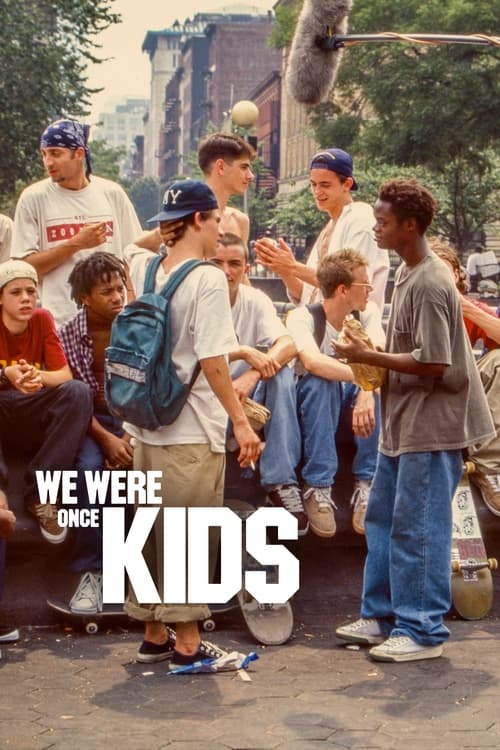
We Were Once Kids provides a gritty, decentralized view of community building through the lens of 1990s New York skateboarding culture. It successfully dismantles traditional family structures, replacing them with resilient, unconventional social networks formed out of necessity. However, the film's scope is limited. Its heavy focus on the male-dominated skate scene and the absence of explicit LGBTQ+ or disability-focused narratives hinder a more inclusive portrayal of underrepresented youth.
Category Breakdown
The film focuses on socioeconomic bonds rather than explicit LGBTQ+ identities. It explores the idea of found families but doesn't provide detailed stories centered on non-traditional gender expressions.
The narrative challenges traditional patriarchal structures by focusing on young people navigating difficult home lives. However, the story remains heavily focused on a male-dominated skateboarding subculture, which limits gender diversity.
The documentary highlights a diverse urban landscape of pre-gentrified New York. It emphasizes the intersection of ethnic identity and socioeconomic status among underrepresented groups.
The film portrays youth who operate outside mainstream religious and capitalist frameworks. It presents traditional Western institutions as inadequate for these underrepresented communities.
There is no significant representation of neurodivergent or physical disabilities. The narrative focuses solely on socioeconomic struggles and subcultural identity.
Present on Screen
Limited or Absent
Official Synopsis
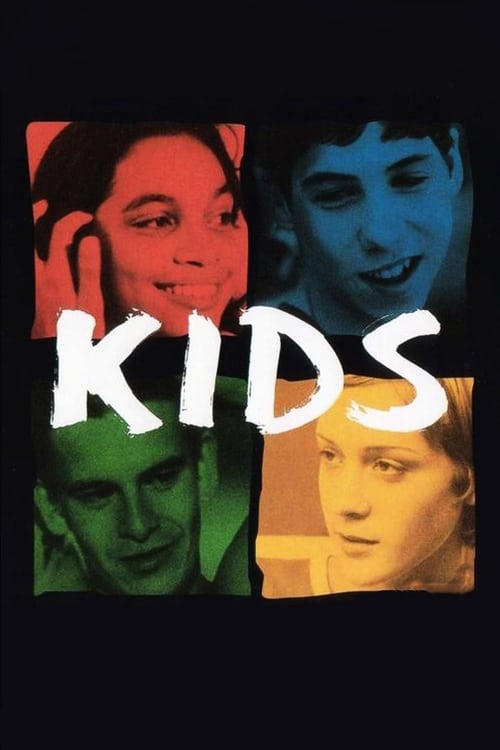
In the early nineties, before the massive gentrification of many of New York's then slums, several young people from very disparate backgrounds left their broken homes and ventured onto the brutal streets of the city. United by their love of skateboarding, they formed a family and built a unique lifestyle that eventually inspired Kids, a groundbreaking and outrageous film directed by photographer Larry Clark and released in 1995.
2012

2000

1984
1981
2015
2002
2016
1995
No reviews yet. Be the first to share your thoughts on this movie!
Use the rating form above to leave a star rating and optional review.