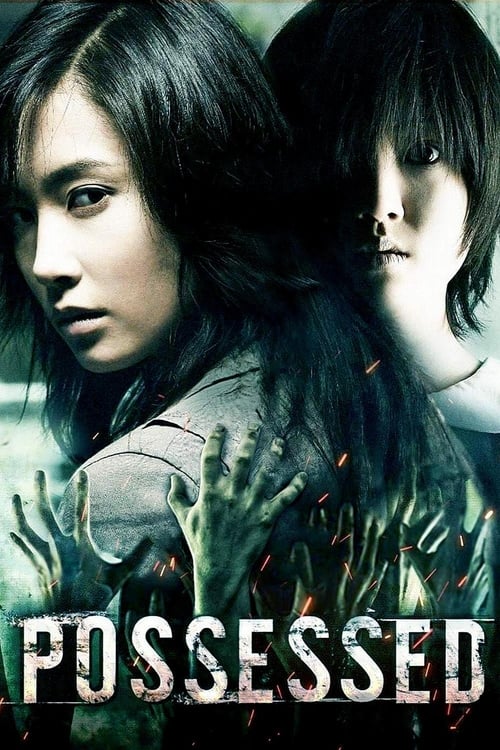
Possessed
2009
No user ratings available yet
Representation score: 6.3 out of 10

Representation Score
Limited
2023
Director
Lim Ji-hoon
Runtime
83 minutes
Average Rating
No ratings yetNew Showbiz Analysis
Bottom of the Water is a folk horror film that draws heavily on traditional Korean shamanistic motifs. Its strength lies in cultural specificity, using local spiritual traditions to create its atmosphere rather than relying on Western horror conventions. However, the film adheres to conventional social and gender frameworks. It focuses on traditional family structures and maternal figures, offering limited multi-layered complexity or subversion of established hierarchies. Ultimately, the film is a culturally specific exploration of tragedy. While it offers a meaningful cultural perspective, it lacks progressive representation of diverse identities or disruption of social norms.
Category Breakdown
The story focuses on familial trauma and spiritual possession without mentioning queer identities or non-cisgender narratives.
Female characters like Geum-jeong and Ga-yeong play key roles through spiritual authority and personal journeys, though they often face supernatural forces and tragic family issues.
The film is set in a specific Korean context with shamanistic themes. Despite an ethnically homogeneous cast, it avoids Western horror clichés by focusing on cultural specifics.
The narrative uses shamanism and the five elements to drive the story, emphasizing moral causality and traditional spiritual consequences over modern critiques.
There is no mention of physical or neurodivergent disabilities being central to the characters or the plot.
Present on Screen
Limited or Absent
Official Synopsis
An evil spirit that can escape the water only by possessing a living person. The evil spirit of a child who died unjustly while waiting for his mother alone. As her younger sister Soo-ah is attacked, she and her family suffer for a long time. Her mother Geum-jeong, a spiritual shaman, was in charge of the five elements' energy. She tried to use her coexistence and antipathy to escape from the water ghost, but in the end, Soo-ah disappears into the cold, deep water, and the lives of her remaining family fall apart. Then one day, Ga-yeong went to find her mother who suddenly disappeared. She heads to the reservoir that swallowed Soo-ah, where she discovers a mysterious body. Ga-yeong is chased by a terrible evil spirit that takes the form of her dead brother…
2009
2000

2020
2007
2022

2019

2018
2019
No reviews yet. Be the first to share your thoughts on this movie!
Use the rating form above to leave a star rating and optional review.