
Adventurous Knights
1935
No user ratings available yet
Representation score: 1.4 out of 10

Representation Score
Minimal
1931
NRDirector
David Butler
Runtime
95 minutes
Average Rating
No ratings yetNew Showbiz Analysis
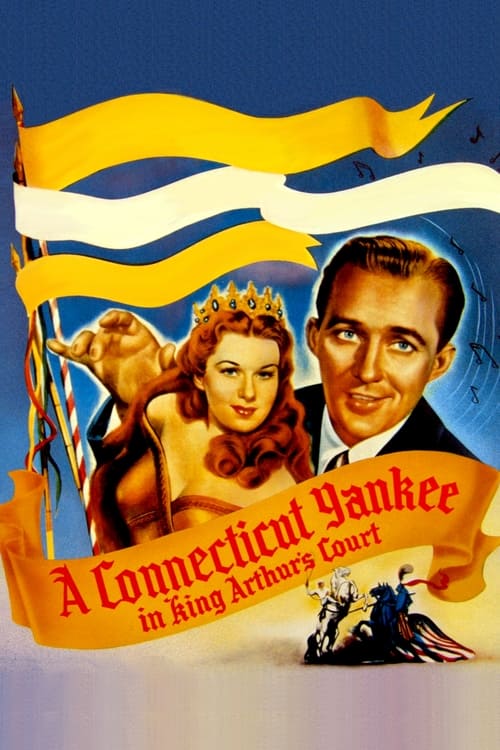
A Connecticut Yankee functions primarily as a comedic clash between modern technological prowess and medieval hierarchies. Despite a lack of demographic variety, the film finds thematic depth by using a disruptive protagonist to challenge traditional authority. The narrative employs scientific 'miracles' to undermine the perceived divine status of the ruling class. This creates a tension between progress and tradition, moving the film beyond a simple period romance. Ultimately, the production reflects its era with low demographic diversity but includes a notable critique of institutionalized power.
Category Breakdown
The film adheres to traditional heterosexual relationship structures common in the Pre-Code era. It does not include any queer narratives or characters with non-straight identities.
A traditional hierarchy is maintained, with the male protagonist driving the plot through his physical skills and technology. Princess Alisande is a central figure, but her role is largely reactive.
The cast is predominantly homogeneous, reflecting the limited diversity in 1931 studio productions. There is no intentional racial or ethnic diversity.
The film satirically dismantles Western institutions such as the medieval Church and monarchy. The protagonist uses modern ingenuity to outmaneuver and challenge these established power structures.
There is no representation of physical or neurodivergent disabilities. Characters are portrayed as standard able-bodied archetypes.
Present on Screen
Limited or Absent
Official Synopsis
Making a delivery to a mysterious mansion in a rainstorm, radio salesman Hank Martin is knocked out when a suit of armor topples on him. Upon awakening, Hank finds himself in the time of King Arthur. At Camelot Castle, Hank uses a cigarette lighter and his skill with a lasso to save himself from being executed as a demon. Hank so impresses Arthur that the king orders him to joust with one of his knights to save the life of Princess Alisande.
1935
1941
1949
1940
1948
1948

1989
1937
No reviews yet. Be the first to share your thoughts on this movie!
Use the rating form above to leave a star rating and optional review.