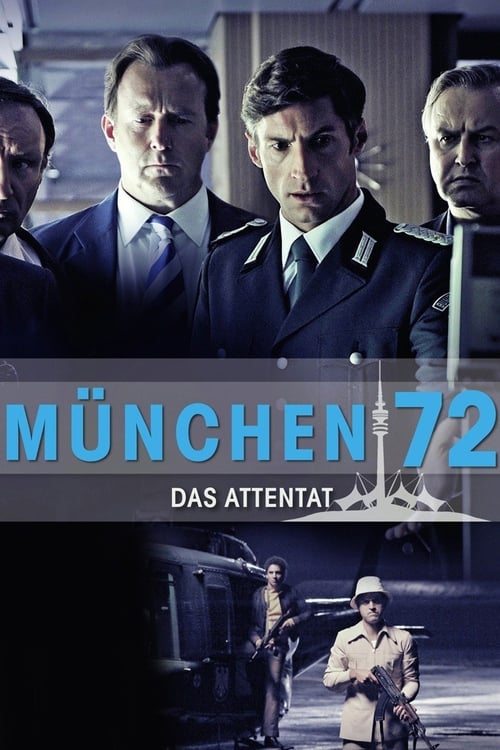
München '72 - Das Attentat
2012
No user ratings available yet
Diversity score: 4.7 out of 10

1982
Director
Alan Gibson
Runtime
240 minutes
Average Rating
No ratings yetSynopsis
The story of the Russian-born, Wisconsin-raised woman who rose to become Israel's prime minister in the late 1960s and early 1970s.
Overall Score
Fair
Category Breakdown
LGBTQ+ Representation
The film operates within a traditional historical framework. There is no evidence of queer narratives or non-cisnormative identities within the biographical scope.
Gender Representation
The narrative provides significant agency to Golda Meir, centering her ascent within male-dominated political spheres. It explores the tension between domestic expectations and her role as a primary driver of historical change.
Racial & Ethnic Diversity
The film offers a deep exploration of Jewish identity and the immigrant experience. It provides substantive visibility to the complexities of the diaspora and the struggle for self-determination.
Religious & Cultural Diversity
Themes of national self-determination and religious identity are central to the protagonist's motivations. The film depicts the friction between global powers and the pursuit of a sovereign state.
Disability Representation
There are no prominent depictions of physical or neurodivergent disabilities that serve as central narrative drivers in this biographical context.
Strengths
Areas for Improvement
AI Analysis
A Woman Called Golda serves as a meaningful historical document that prioritizes the agency of a female voice within a global political context. It succeeds by subverting traditional gender roles, presenting a woman as a decisive architect of history rather than a secondary figure. The film's strength lies in its nuanced portrayal of ethnic identity and the disruption of patriarchal political structures. It moves beyond tokenism to provide a substantive look at cultural resilience and the immigrant experience. However, the film lacks the intersectional breadth found in contemporary media. It remains confined to the heteronormative and traditional structures of the era, offering little representation for LGBTQ+ or disabled characters.
2012
1998
2021
2010
No reviews yet. Be the first to share your thoughts on this movie!
Use the rating form above to leave a star rating and optional review.