
The Life Story of David Lloyd George
1918
No user ratings available yet
Representation score: 0.5 out of 10
Representation Score
Limited
1998
RDirector
Paul Mazursky
Runtime
105 minutes
Average Rating
No ratings yetNew Showbiz Analysis
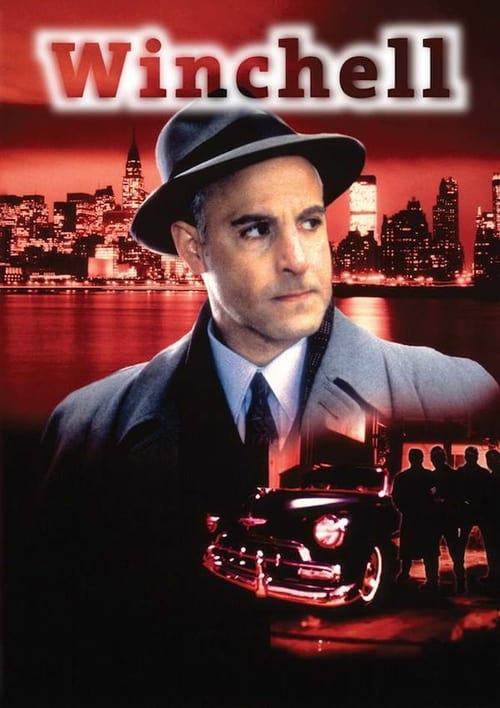
Winchell is a traditional historical biography that prioritizes the study of individual power and the evolution of mass media during the 1930s through the 1950s. The film’s structure is closely tied to the social hierarchies of the time. Since the narrative aligns with the social norms of the era, it lacks contemporary reinterpretations. The focus remains on the historical reality of a homogeneous media landscape rather than disrupting established social hierarchies. Ultimately, the film serves as a character study of a singular influential figure. It does not seek to promote multi-layered identity politics or subvert the traditional power structures of the mid-20th century.
Category Breakdown
The film focuses on a mid-century media icon and likely adheres to the social constraints of the time. There is no indication of LGBTQ+ identities being highlighted in the story.
The biopic centers around a powerful male figure, emphasizing his professional authority. Women appear in the story but are constrained by traditional gender roles of the period.
The narrative focuses on the mid-20th-century American media landscape, which was historically homogeneous. Characters of color have limited roles within the central power dynamics.
The story explores individual influence within American capitalism and traditional media institutions. It operates within conventional moral frameworks without challenging Western institutions.
There is no documented evidence regarding the portrayal of physical or neurodivergent disabilities in this biographical drama.
Present on Screen
Limited or Absent
Official Synopsis
The true story of the influential and controversial columnist Walter Winchell, who ruled the newspaper and radio waves with his groundbreaking brand of gossip and news for more than thirty years.
1918
1937
1980
1982

2021
2007
2005
2021
No reviews yet. Be the first to share your thoughts on this movie!
Use the rating form above to leave a star rating and optional review.