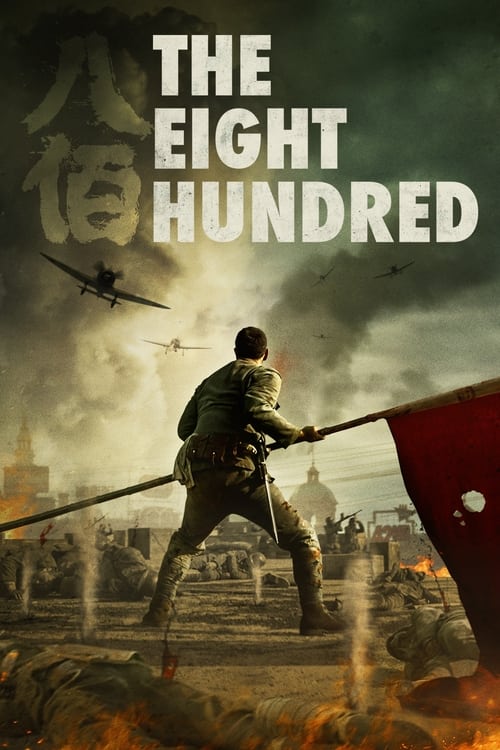
The Eight Hundred
2020
No user ratings available yet
Representation score: 3.7 out of 10
Representation Score
Limited
2019
TV-MADirector
Won Shin-yun
Runtime
135 minutes
Average Rating
No ratings yetNew Showbiz Analysis
The film serves as a powerful tool for reclaiming history, shifting the focus from imperial powers to the grassroots resistance of Korean militias. By giving significant roles to decolonizing subjects, it successfully challenges traditional, state-led military histories. However, the narrative remains bound by traditional social structures. The lack of gender diversity in combat roles and the absence of LGBTQ+ or disability representation reflect a narrow focus on wartime hierarchies and period-specific social norms. Ultimately, the film's impact lies in its defiance of ethnic and cultural boundaries. It prioritizes the struggle of a underrepresented group against a dominant geopolitical force, making it a significant work of decolonial storytelling.
Category Breakdown
The film does not include any LGBTQ+ characters or stories that go beyond the assumption that everyone is straight or cisgender. It follows the social norms of its 1920s setting.
Combat roles are mostly filled by men, following the traditional wartime hierarchy. There is no portrayal of female leadership or subversion of gender roles.
The film focuses on a colonized Korean population as the main characters. This shifts away from Eurocentric war narratives by giving significant roles to ethnic Korean characters.
The story promotes an anti-imperialist perspective by showing the Japanese Empire as the antagonist. It highlights collective identity and resistance against systemic oppression.
There is no evidence of the film portraying physical or neurodivergent disabilities.
Present on Screen
Limited or Absent
Official Synopsis
Over a 4 day period, a fierce battle takes place between Korean independence militias and imperialist Japanese forces in Manchuria, China. The militia includes a master swordsman and an expert marksman.
2020
2018
2017
2016

2011

2022
2011
2017
No reviews yet. Be the first to share your thoughts on this movie!
Use the rating form above to leave a star rating and optional review.