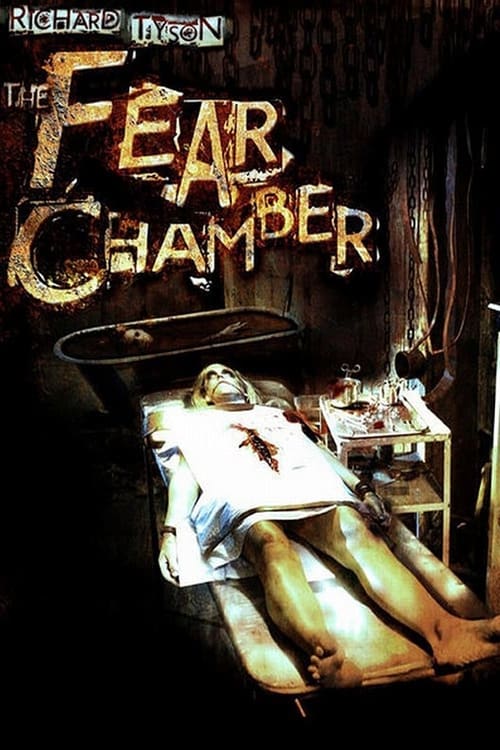
The Fear Chamber
2009
No user ratings available yet
Diversity score: 1.5 out of 10

2009
Director
Kim Bass
Runtime
91 minutes
Average Rating
No ratings yetSynopsis
A gritty psychological-horror-thriller that delves the demented mind of a cannibalistic serial rapist who kidnaps his tenth victim in as many months on Halloween night.
Overall Score
Limited
Category Breakdown
LGBTQ+ Representation
The film focuses on a predatory, heteronormative cycle of violence. There is no evidence of non-cisnormative identities or critiques of heteronormativity within the narrative.
Gender Representation
The story centers on a male antagonist exercising extreme dominance through violence. Female characters are positioned as passive recipients of trauma rather than active agents.
Racial & Ethnic Diversity
The synopsis provides no specific details regarding the racial or ethnic composition of the cast or the victimology. Consequently, no assessment of racial diversity can be made.
Religious & Cultural Diversity
The premise aligns with traditional horror tropes that prioritize individual pathology over systemic critique. There is no indication of secularism or the deconstruction of Western institutions.
Disability Representation
The narrative does not mention characters with physical, sensory, or neurodivergent disabilities. It is unclear if such portrayals are handled with agency or used as plot devices.
Strengths
Areas for Improvement
AI Analysis
Junkyard Dog operates within conventional horror hierarchies, focusing on a singular, predatory male figure. The narrative structure reinforces regressive power dynamics by positioning victims in a state of diminished agency. The film lacks evidence of intersectional identities or systemic critique. It appears to follow traditional, non-subversive genre boundaries rather than challenging established social norms. Because the available information focuses on a specific psychological thriller framework, there is no indication of diverse cultural or social perspectives being explored.
2009

1994

2009
1983
1998

2007

2009

2011
2004

2017

2015

2010
No reviews yet. Be the first to share your thoughts on this movie!
Use the rating form above to leave a star rating and optional review.