
Raat Akeli Hai
2020
No user ratings available yet
Diversity score: 5.4 out of 10
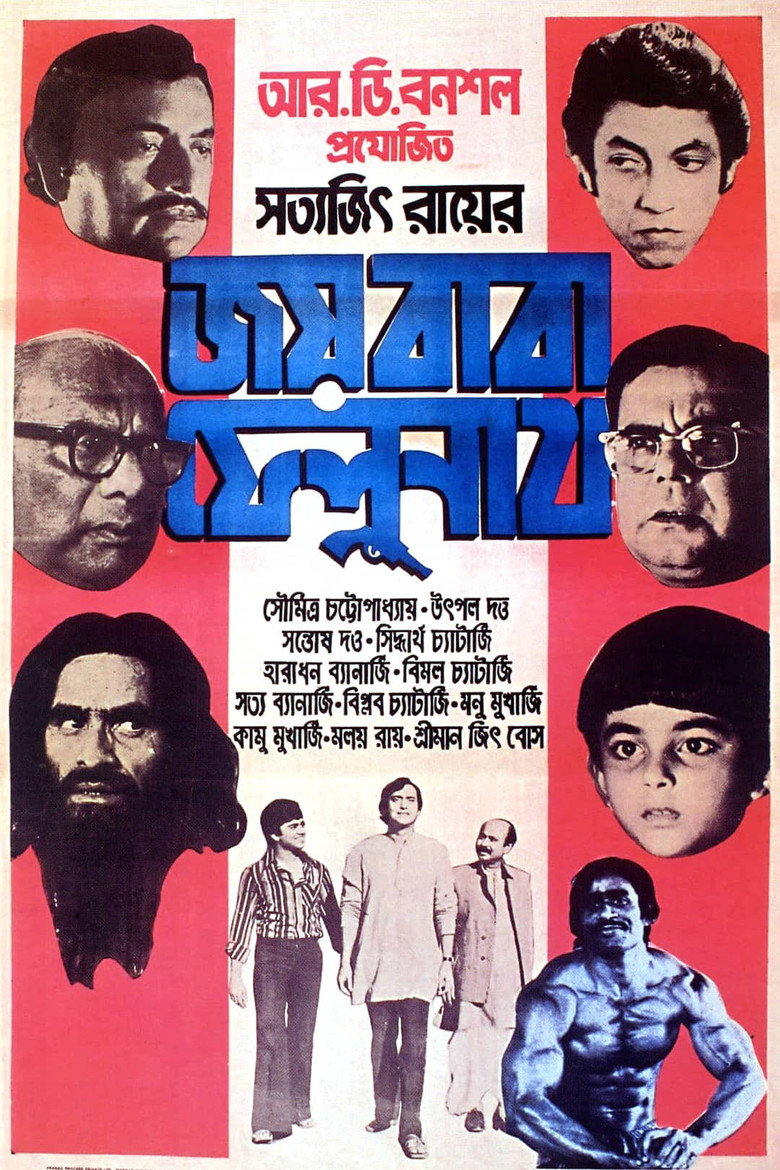
1979
Director
Satyajit Ray
Runtime
120 minutes
Average Rating
No ratings yetSynopsis
Set in the holy city of Benares, this is the second film about the detective Feluda, who goes on a holiday with his cousin, Topshe, and his friend, Lalmohan Ganguly. But the theft of a priceless deity of Lord Ganesh (the Elephant God) from a local household forces him to investigate.
Overall Score
Fair
Category Breakdown
LGBTQ+ Representation
The narrative centers on a male detective trio navigating a mystery in Benares. There is no visible evidence of LGBTQ+ characters or non-heteronormative identities within this framework.
Gender Representation
Plot agency is concentrated within a male-dominated ensemble. While the domestic setting suggests female presence, the investigative drive remains primarily in the hands of the male protagonists.
Racial & Ethnic Diversity
The film offers high ethnic specificity by centering a South Asian cast and setting. It successfully disrupts Western-centric mystery tropes through its indigenous narrative and local focus.
Religious & Cultural Diversity
The story is deeply embedded in Hindu iconography and the spiritual atmosphere of Benares. It maintains an observational stance on the sacred rather than offering religious polemics.
Disability Representation
There is no information available regarding the portrayal of physical or neurodivergent disabilities in this film.
Strengths
Areas for Improvement
AI Analysis
Satyajit Ray’s work provides a culturally grounded alternative to the standard Western detective archetype. By centering the mystery within the specific landscape of Benares, the film achieves significant ethnic authenticity and avoids the colonial gaze often found in the genre. However, the film adheres to traditional investigative structures that favor a male-dominated cast. This concentration of agency limits gender diversity, and the lack of visible LGBTQ+ representation reflects the era's narrative conventions. Ultimately, the film excels in its localized, non-Anglo-centric framework, prioritizing South Asian cultural realism over universalized genre tropes.
2020

2015

1941
1987

2016

2013
1935

1989

1942

1963
1935

1956
No reviews yet. Be the first to share your thoughts on this movie!
Use the rating form above to leave a star rating and optional review.