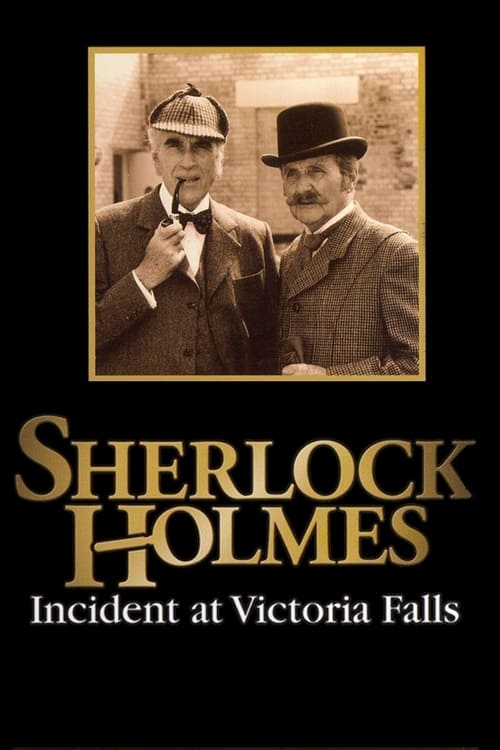
Sherlock Holmes: Incident at Victoria Falls
1992
No user ratings available yet
Diversity score: 3.2 out of 10
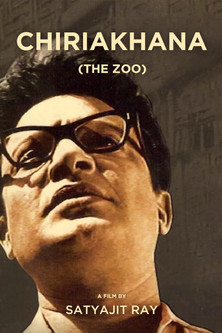
1967
Not RatedDirector
Satyajit Ray
Runtime
125 minutes
Average Rating
No ratings yetSynopsis
When Byomkesh Bakshi's new client, Dr. Nishanath Sen, is murdered at Golap Colony, he decides to probe into the case with the help of his close aide, Ajit.
Overall Score
Fair
Category Breakdown
LGBTQ+ Representation
The film adheres to the social constraints of 1967 and the cultural context of the Bengali landed gentry. No identifiable LGBTQ+ characters or narratives engage with non-heteronormative identities.
Gender Representation
Agency remains concentrated within a male-dominated hierarchy of the extended family. The film prioritizes class and age over the deconstruction of gendered power dynamics.
Racial & Ethnic Diversity
The film excels in authentic representation of Bengali identity and local nuances. It avoids the Western gaze by centering a narrative within the indigenous socioeconomic landscape.
Religious & Cultural Diversity
Ray offers a sophisticated critique of traditional Western-aligned feudalism. The narrative portrays the zamindari system as a site of moral and physical stagnation rather than a romanticized era.
Disability Representation
Portrayals of eccentricity among aging relatives function more as metaphors for class decay than as meaningful explorations of agency for individuals with disabilities.
Strengths
Areas for Improvement
AI Analysis
Chiriyakhana is a profound meditation on the erosion of traditional power structures in post-colonial Bengal. By using a private zoo as a metaphor, Satyajit Ray critiques the stagnation of the landed aristocracy and the decay of historical hierarchies. The film's strength lies in its post-colonial framework and its ability to present a non-Western social structure as a primary subject of intellectual inquiry. It avoids the romanticization of the elite, instead framing the old world as a decaying institution. However, the film lacks contemporary identity-based representation. It operates within a strictly patriarchal framework and offers no engagement with LGBTQ+ identities, focusing instead on the socioeconomic shifts of the era.
No reviews yet. Be the first to share your thoughts on this movie!
Use the rating form above to leave a star rating and optional review.