The Victims
2024
No user ratings available yet
Diversity score: 5.3 out of 10
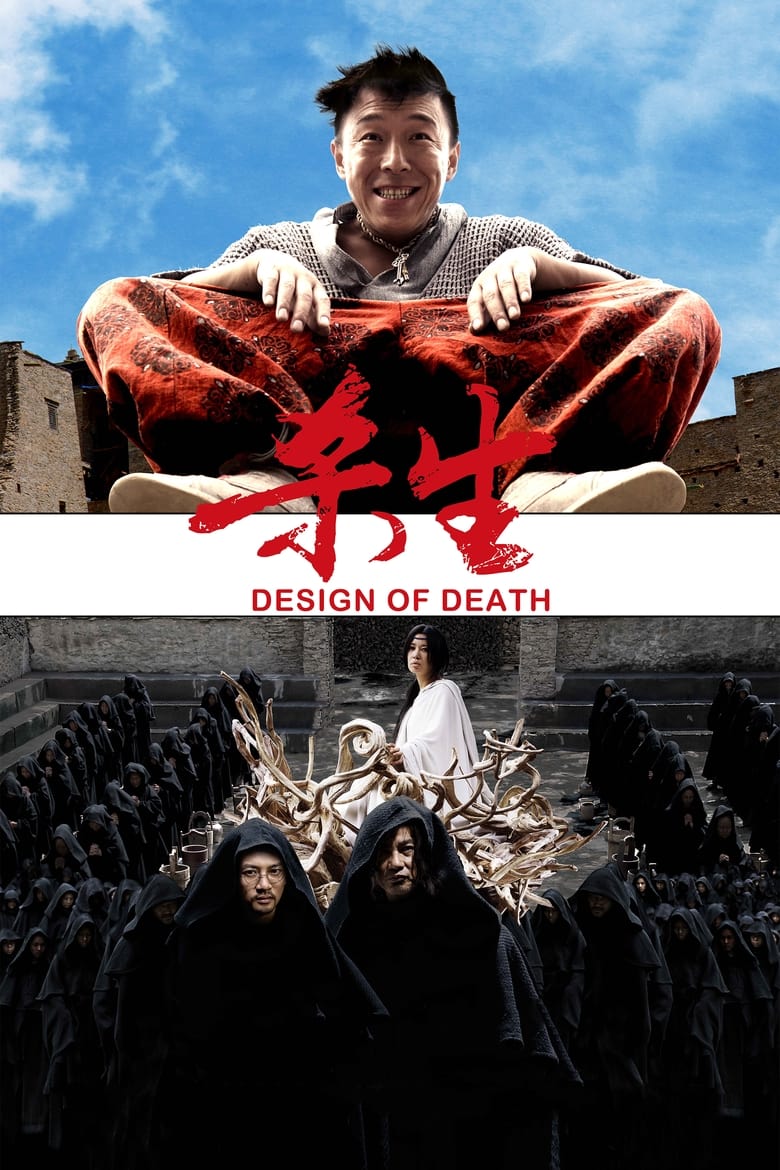
2012
Director
Guan Hu
Runtime
108 minutes
Average Rating
No ratings yetSynopsis
The violent death of an unpopular village resident is initially blamed on an infectious disease, but an investigation shows that everybody in the village had a reason to murder him.
Overall Score
Good
Category Breakdown
LGBTQ+ Representation
The film lacks specific details regarding queer identities or non-heteronormative dynamics. While interpersonal tensions are central, there is no evidence of characters or narratives critiquing heteronormativity.
Gender Representation
The narrative focuses on systemic social dynamics rather than traditional gender hierarchies. It moves away from idealized family leadership to explore the fractured motivations of a collective group.
Racial & Ethnic Diversity
As a Chinese production, the film centers a non-Western cultural landscape. This disrupts Western-centric storytelling by focusing on local, indigenous social structures and perspectives.
Religious & Cultural Diversity
The film offers high thematic complexity by exploring subjective morality. It critiques traditional social cohesion by framing a community's collective actions as a site of systemic corruption.
Disability Representation
There is no mention of characters with visible or invisible disabilities within the narrative.
Strengths
Areas for Improvement
AI Analysis
Design of Death is a sophisticated study of collective agency and moral ambiguity. It succeeds by challenging conventional notions of justice and individual responsibility through its unique narrative architecture. The film's strength lies in its ability to present a community where the villain is a distributed social phenomenon. This approach disrupts traditional heroic tropes in favor of a complex, systemic view of human behavior. However, the film remains limited in its explicit representation of specific identity groups. While it excels at cultural and systemic critique, it offers little clarity regarding gender roles or LGBTQ+ presence.
2024

1997

2020

2017
2012

2009
2019
2007

2021
2015
2015

2016
No reviews yet. Be the first to share your thoughts on this movie!
Use the rating form above to leave a star rating and optional review.