
Thithi
2016
No user ratings available yet
Diversity score: 4.7 out of 10
2016
Director
Shubhashish Bhutiani
Runtime
103 minutes
Average Rating
No ratings yetSynopsis
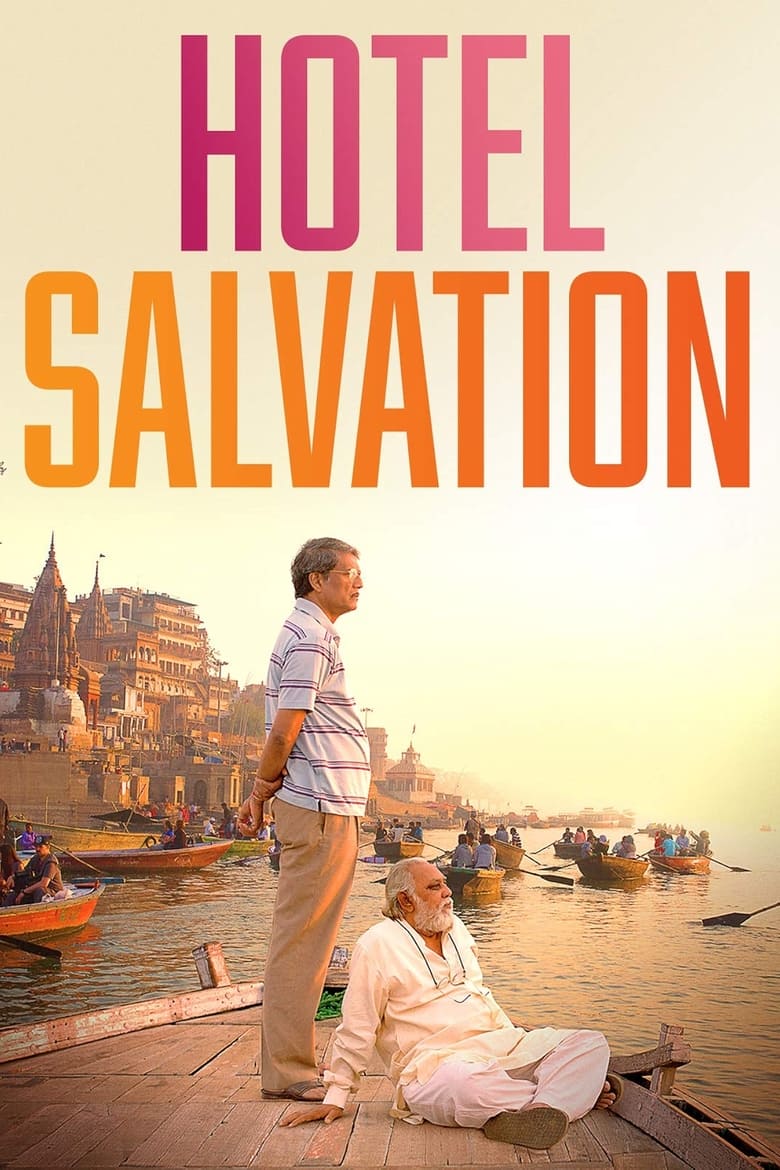
An ominous dream convinces 77-year-old Dayanand Kumar that his end could be near. He takes the news to his son Rajiv, knowing he wants to breathe his last in the holy city of Varanasi and end the cycle of rebirth, by attaining salvation. Being the dutiful son he is, Rajiv is left with no choice but to drop everything and make the journey with his stubborn father. Daya and Rajiv check into Mukti Bhawan (Hotel Salvation) in Varanasi, a guesthouse devoted to people who want to die there. But as the days go by, Rajiv struggles to juggle his responsibilities back home, while Daya starts to bloom in the hotel. Rajiv gives his father a shot at salvation but as family bonds are tested, he finds himself torn, and not knowing what he must do to keep his life together.
Overall Score
Fair
Category Breakdown
LGBTQ+ Representation
The film centers on a traditional heteronormative family structure. There are no LGBTQ+ characters or non-cisnormative identities present in the narrative.
Gender Representation
Narrative weight rests on male protagonists, Dayanand and Rajiv. Female characters appear to occupy traditional domestic spheres without subverting patriarchal structures.
Racial & Ethnic Diversity
The cast is predominantly Indian and deeply rooted in Varanasi. It achieves authenticity by rejecting Western-centric casting in favor of localized reality.
Religious & Cultural Diversity
The story explores Hindu concepts of moksha and the sanctity of Varanasi. It treats spirituality as a complex, lived experience rather than a radical stance.
Disability Representation
The plot is driven by the realities of aging and terminal illness. These elements serve as character catalysts rather than mere melodramatic plot devices.
Strengths
Areas for Improvement
AI Analysis
Mukti Bhawan is a grounded character study that prioritizes emotional realism over identity politics. It focuses on the intimate, often messy dynamics of a father and son navigating mortality and spiritual salvation. The film excels in cultural authenticity, leaning into the specificities of its Varanasi setting. It avoids globalized, color-blind casting tropes, offering a localized perspective that feels organic and sincere. However, the film remains within traditional boundaries. It lacks progressive markers such as LGBTQ+ representation or the subversion of conventional gender hierarchies, maintaining a strictly heteronormative and patriarchal framework.
2016

1999
2008
2020
2017
2015

2015
2006
2019

2019

2022

2006
No reviews yet. Be the first to share your thoughts on this movie!
Use the rating form above to leave a star rating and optional review.