The King
2013
No user ratings available yet
Representation score: 1.3 out of 10
Representation Score
Fair
2015
Director
David Batty
Runtime
205 minutes
Average Rating
No ratings yetNew Showbiz Analysis
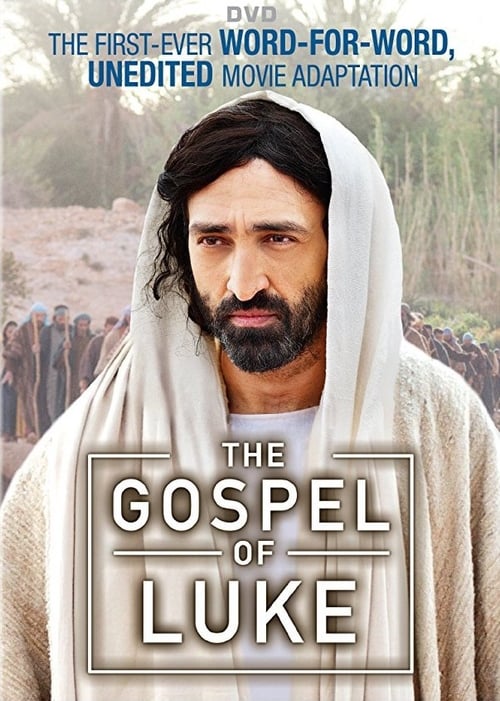
The film opens on a sun-bleached Moroccan desert, a stark expanse that immediately rejects the glossy, Eurocentric spectacle of typical biblical epics. By casting an entirely North African ensemble, director David Batty grounds the 1st-century narrative in a specific Mediterranean geography, treating the non-European face as the historical norm rather than a diversity choice. The camera lingers on Jesus’s ascetic features and the physical toll of his journey, selling a vision where spiritual authority is derived from endurance and service rather than political power. The sold meaning is clear: the "King" is defined by his willingness to be broken, not by his ability to break others. This argument is reinforced by the film’s treatment of gender and class. Mary is presented with a maternal dignity that outshines the bickering, fleeing male disciples, who are visually coded as rugged laborers rather than polished intellectuals. The film critiques the accumulation of wealth and the bureaucratic indifference of Roman and Jewish authorities, positioning them as the true antagonists to Jesus’s radical non-violence. However, the film’s internal logic remains firmly traditional; it does not challenge the faith itself but rather validates it as the sole source of moral clarity. The "joke" is the irony of the crowd’s fickleness, yet the film offers no secular alternative to the divine framework. The ending settles the moral verdict in a moment of silent endurance. Jesus stands battered before the authorities, his suffering rewarded not with political victory but with spiritual transcendence. The disciples, who denied him, are left in the aftermath without retribution, their frailty treated as a human condition rather than a moral failing. The film’s argument is consistent: the West’s traditional hierarchies of power are empty, but the religious hierarchy of sacrifice is absolute. It is a polished, authentic telling that upholds the faith as the ultimate standard, leaving no room for modern skepticism or alternative moral frameworks.
Category Breakdown
The narrative contains no LGBTQ+ characters, same-sex intimacy, or non-binary identities. The film relies on traditional biblical structures without exploring modern gender or sexual diversity.
Mary serves as the emotional anchor, depicted with serene dignity against the disciples' frailty. Male disciples are shown as fearful and inept, with their failures treated as spiritual rather than comedic.
A North African cast portrays Jesus, Mary, and disciples, grounding the story in Maghrebi geography. The non-European face is treated as the historical norm rather than a diversity choice.
The film treats Christian faith and traditional family structures as the moral center. It lacks modern secular critique, validating the faith as the sole source of moral clarity.
Disability is limited to temporary healing miracles, with no ongoing disabled life or neurodivergence depicted. Physical suffering is shown through natural light, dust, and visible wounds rather than dialogue.
Present on Screen
Limited or Absent
Official Synopsis
THE GOSPEL OF LUKE, more than any other, fits the category of ancient biography. Luke, as "narrator" of events, sees Jesus as the "Savior" of all people, always on the side of the needy and the deprived. Narrated in the NIV by British actor Richard E. Grant and in the KJV by Sir Derek Jacobi, this epic production featuring specially constructed sets and the authentic countryside of Morocco has been critically acclaimed by leading religious scholars as a unique and highly authentic telling of the Jesus story.
2013
2003
2019
2005

1993
1979

2014
2023
No reviews yet. Be the first to share your thoughts on this movie!
Use the rating form above to leave a star rating and optional review.