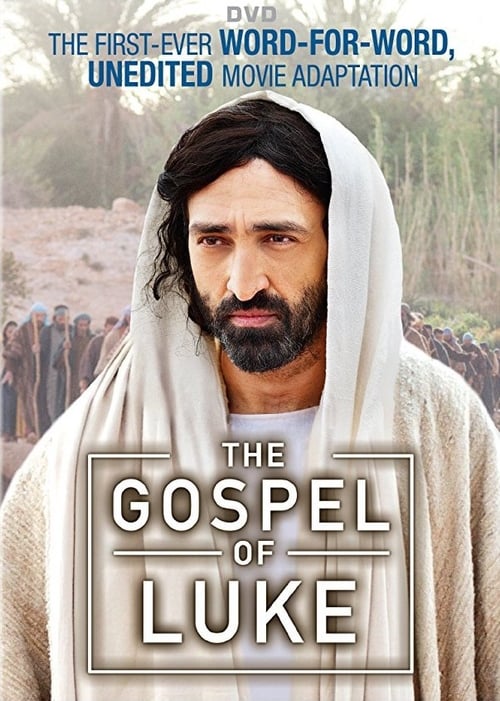
The Gospel of Luke
2015
No user ratings available yet
Representation score: 4.4 out of 10

Representation Score
Limited
2014
Director
David Batty
Runtime
190 minutes
Average Rating
No ratings yetNew Showbiz Analysis
The film opens on a stark, arid landscape, establishing a historical realism that rejects the golden-hour glow of Hollywood biblical epics. This visual language grounds the narrative in earth tones and natural light, positioning Jesus not as a charismatic leader but as a weary human figure. The sold meaning is a historical account of a political dissident executed by a colonial power, witnessed by a marginalized community. The cast, predominantly North African and South Asian, actively de-centers the white Jesus trope, aligning the visuals with a Mediterranean context rather than a spiritual fantasy. The film’s argument rests on the tension between political compromise and moral integrity. The religious leaders, led by Caiaphas, are portrayed as pragmatic collaborators concerned with Roman approval, while the disciples are shown as fearful and fleeing. The camera lingers on the exhaustion and dirt of the common people, treating the crucifixion with grim seriousness rather than ironic hymn. The contradiction lies in the film’s treatment of the system: while it critiques the Jewish council’s cowardice, the Roman occupation remains an unchallenged background force, never individually punished or mourned. The ending settles on the empty tomb, emphasizing silence and the physical reality of the stone over a triumphant, angelic spectacle. This final image rewards the witness over the miracle, suggesting that the moral victory is not in divine intervention but in the quiet endurance of those who remain. The film affirms traditional Christian hierarchy and faith as the story’s world, treating the cross as a solemn symbol of sacrifice rather than a site of subversion. For a viewer seeking historical authenticity, the pictures deliver a grounded, non-mythologized account; for a viewer seeking systemic critique, the ending capitulates to the theological status quo.
Category Breakdown
No same-sex intimacy or queer identity appears. The narrative focuses strictly on familial and political bonds within a first-century context. Relational dynamics remain heteronormative and traditional.
Mary anchors the emotional weight, enduring grief without becoming a mystical trope. Herodias acts as a political agent seeking John’s death. Male figures like Caiaphas are portrayed as compromised pragmatists.
The cast is predominantly North African and South Asian, centering Jesus as a man of color. This visual choice aligns with the historical Mediterranean context. The white Jesus default is actively inverted.
Christian faith and Jewish prophecy serve as the unmarked moral center. Institutional religion is critiqued for political compromise, but the core theological framework is affirmed. The ending rewards quiet endurance over systemic critique.
No characters are depicted with physical, sensory, or cognitive disabilities. The narrative focuses on political and spiritual conflict. No impaired bodies serve as plot devices or moral lessons.
Present on Screen
Limited or Absent
Official Synopsis
The Gospel of Matthew was the most popular Gospel in the early Christian centuries. Written for a Christian community as it begins to separate from the Jewish world, Matthew's Gospel goes to great lengths to show that, as the Messiah, Jesus is the fulfillment of the Old Testament prophecies referring to God's Saviour. Narrated in the NIV version by leading British actor Stephen Tompkinson and in the KJV by David Threlfall - featuring specially constructed sets and the authentic countryside of Morocco - it immerses the viewer in the world of first-century Palestine.
2015
1965

2014
2003

1912
1979
2013

2006
No reviews yet. Be the first to share your thoughts on this movie!
Use the rating form above to leave a star rating and optional review.