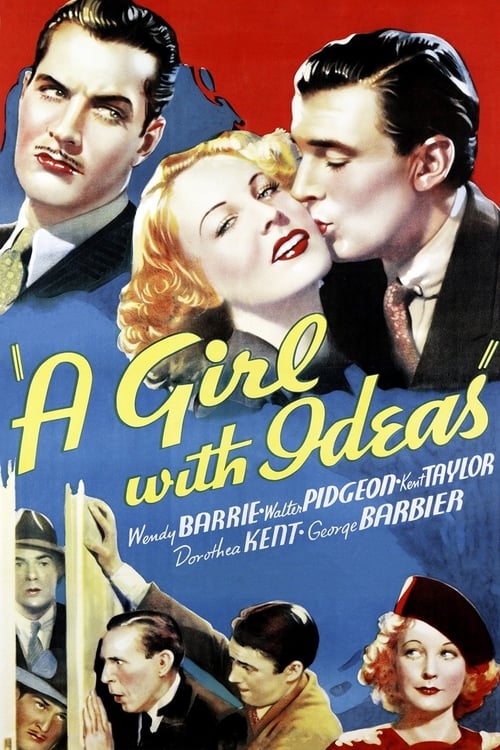
Caprichosa y millonaria
1940
No user ratings available yet
Representation score: 2.7 out of 10
Representation Score
Minimal
1937
PassedDirector
S. Sylvan Simon
Runtime
70 minutes
Average Rating
No ratings yetNew Showbiz Analysis
A Girl with Ideas serves as a period-specific social comedy that finds its strength in its central female protagonist. By giving her control over a major media institution, the film challenges the 1930s cliché of women as passive domestic figures, offering a glimpse of professional authority. However, this authority is limited. The film remains deeply rooted in the era's systemic limitations, reinforcing traditional class and racial hierarchies. It functions as a study of individual eccentricity within established Western institutions rather than a challenge to those institutions themselves. Ultimately, the film lacks depth in representing multiple aspects of identity. While it provides a notable departure from submissive feminine clichés, it fails to represent LGBTQ+ identities, diverse racial backgrounds, or characters with disabilities.
Category Breakdown
The film does not depict any non-straight relationships or same-sex intimacy. It follows the traditional romantic and social structures common to the 1930s.
The story offers a moderate challenge to gender hierarchies by centering a female protagonist with professional authority. She controls a large newspaper, which challenges the era's standard patriarchal leadership models.
There is no indication of a diverse cast or non-Anglo-Saxon characters. The setting suggests a homogeneous social environment typical of the period's systemic constraints.
The narrative operates within traditional Western capitalist and class structures. It focuses on individual eccentricity rather than critiquing the stability of wealth or institutional power.
The film provides no information regarding the inclusion of characters with physical or neurodivergent disabilities.
Present on Screen
Limited or Absent
Official Synopsis
A rich banker's zany daughter gains control of a large newspaper.
1940
1934
1932
1929
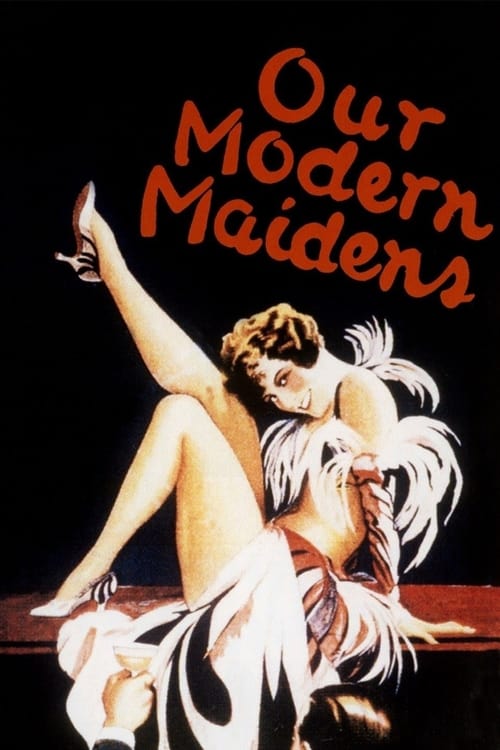
1929
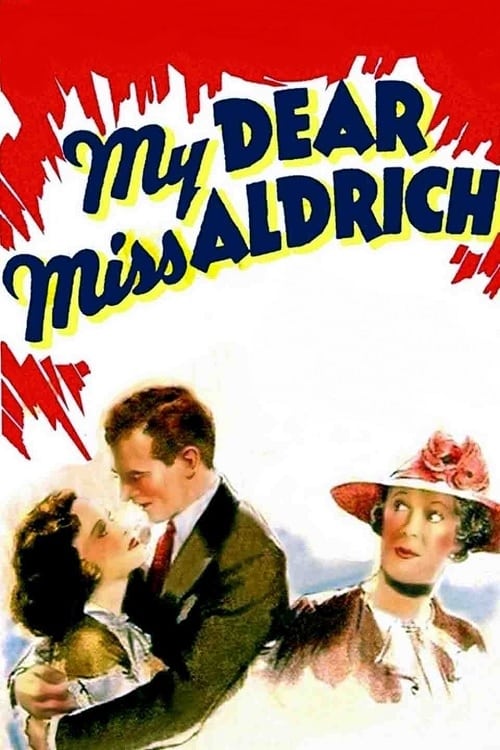
1937
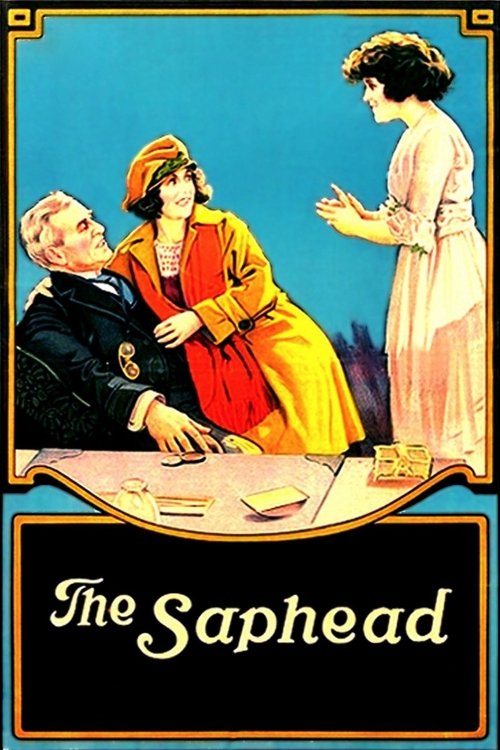
1920
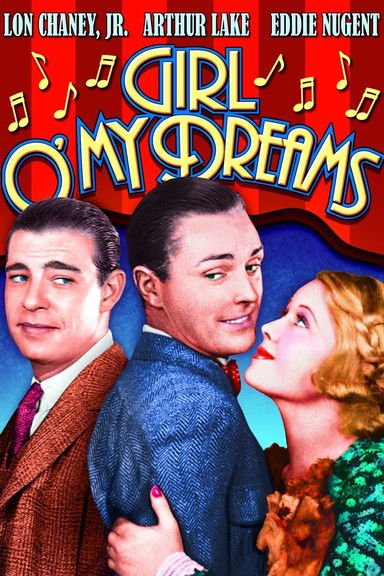
1934
No reviews yet. Be the first to share your thoughts on this movie!
Use the rating form above to leave a star rating and optional review.