
Drifter
1975
No user ratings available yet
Representation score: 4.0 out of 10
Representation Score
Limited
1971
XDirector
Michael Findlay
Runtime
90 minutes
Average Rating
No ratings yetNew Showbiz Analysis
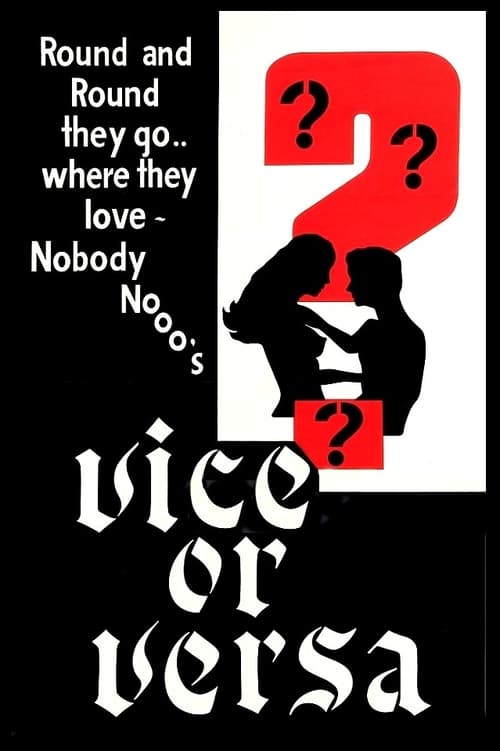
Vice Versa! stands as a transgressive piece of 1970s independent exploitation cinema. By placing bisexuality at the heart of its drama, the film challenges the assumption that everyone is straight or cisgender. While the film makes significant strides in exploring sexual fluidity, it lacks depth in other areas of representation. The narrative focuses heavily on desire, leaving gender roles and social hierarchies largely unexamined. Ultimately, the film's impact is tied to its thematic bravery regarding LGBTQ+ identities. However, the absence of verifiable data regarding racial and disability representation limits its overall diversity profile.
Category Breakdown
The film centers its narrative on the exploration of bisexuality. This focus provides a platform for non-monosexual identities that were often sidelined in 1971 cinema.
The story prioritizes sexual orientation over disrupting traditional gender roles. There is little evidence of a systematic challenge to traditional masculine or feminine hierarchies.
Documentation regarding the cast and specific character backgrounds is limited. The film's primary focus remains on sexual orientation rather than racial or ethnic diversity.
By centering on sexual fluidity, the film critiques the rigid moral frameworks of the era. It adopts a relativistic view of human connection that challenges traditional Western institutions.
There is no evidence to suggest that disability or neurodivergence serves as a central component of the narrative. The characters' development does not appear to involve these themes.
Present on Screen
Limited or Absent
Official Synopsis
List film. A soft-core film that explores the subject of bisexuality.
1975
1970
1969

1978
1972

1970
1973

1972
No reviews yet. Be the first to share your thoughts on this movie!
Use the rating form above to leave a star rating and optional review.