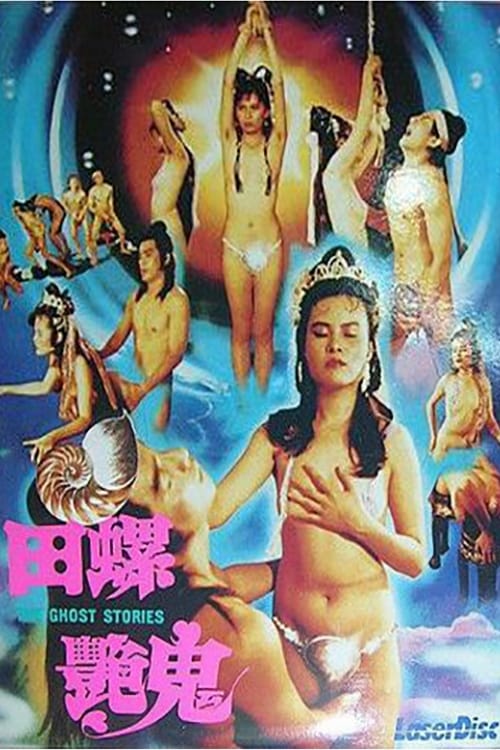
Ghost Stories
1982
No user ratings available yet
Representation score: 3.2 out of 10
Representation Score
Fair
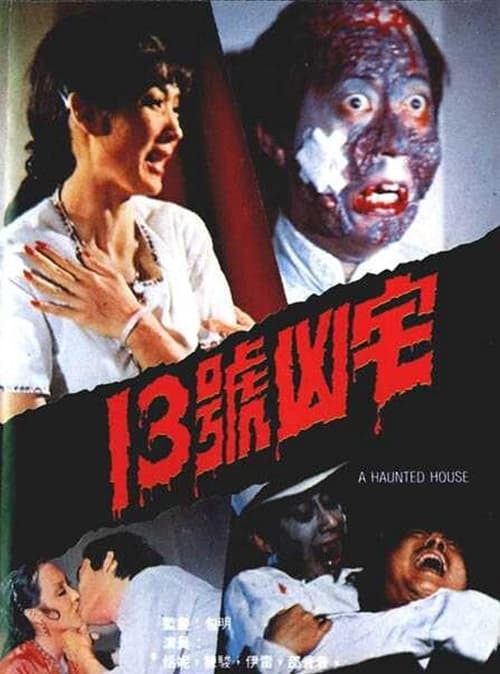
1975
Director
Ng See-Yuen
Average Rating
No ratings yetNew Showbiz Analysis
A Haunted House operates as a conventional 1970s Hong Kong horror film. It emphasizes technical skill and genre clichés over innovative narrative structures or social critiques. The film adheres to the era's cinematic standards, focusing on local folklore and traditional gender roles. It does not intentionally address layered social issues or broader societal critiques.
Category Breakdown
The film does not include any LGBTQ+ characters or narratives. It follows the typical conventions of 1975 genre that usually exclude queer visibility or non-conforming gender presentations.
Female characters likely conform to traditional stereotypes of vulnerability or supernatural distress. There is no indication of women taking a leading role that challenges masculine dominance.
The cast is mainly East Asian, reflecting a localized representation. It does not feature the intentional blending of races or layered casting seen in contemporary global cinema.
The story centers on local folklore and traditional beliefs. It upholds cultural norms without offering critiques of Western institutions or secularism.
Physical or mental impairments likely serve as plot devices or markers of the supernatural. Characters lack control over their situations and do not showcase empowerment or neurodivergent experiences.
Present on Screen
Limited or Absent
1982
1977
1994
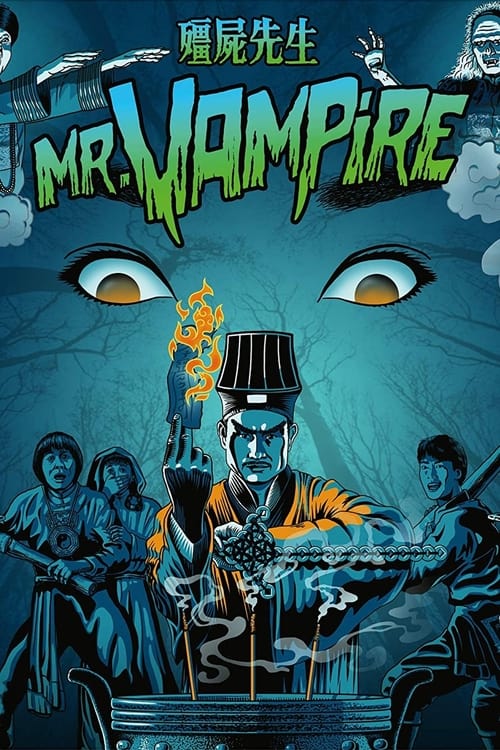
1985
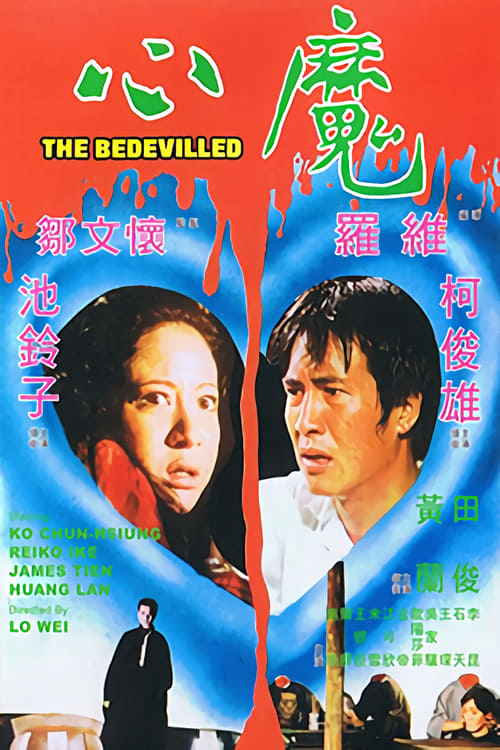
1975
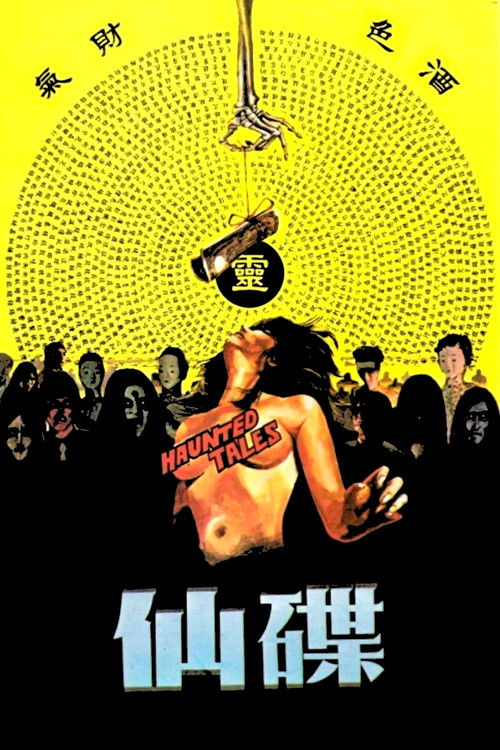
1980
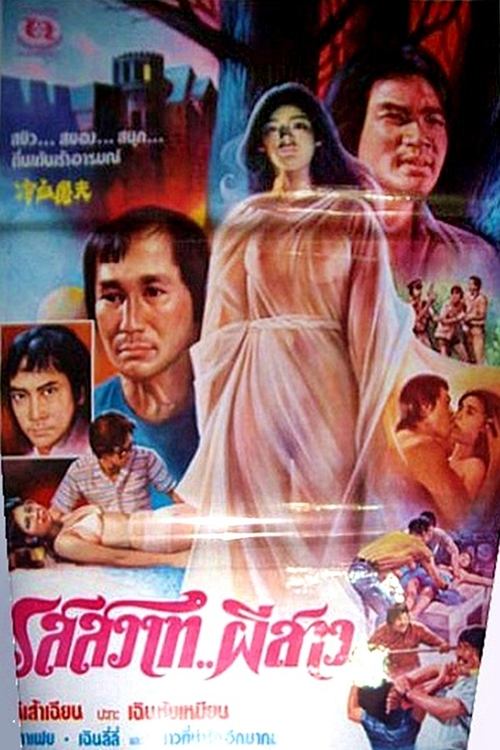
1985
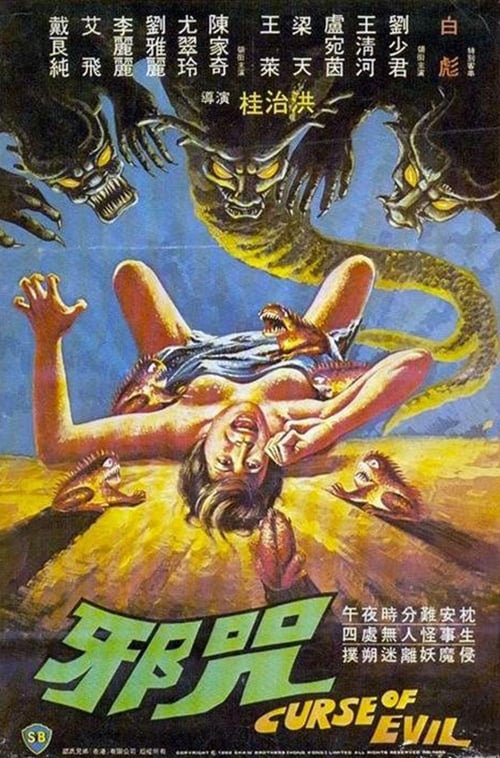
1982
No reviews yet. Be the first to share your thoughts on this movie!
Use the rating form above to leave a star rating and optional review.