A Christmas Carol
1977
No user ratings available yet
Representation score: 3.5 out of 10
Representation Score
Limited
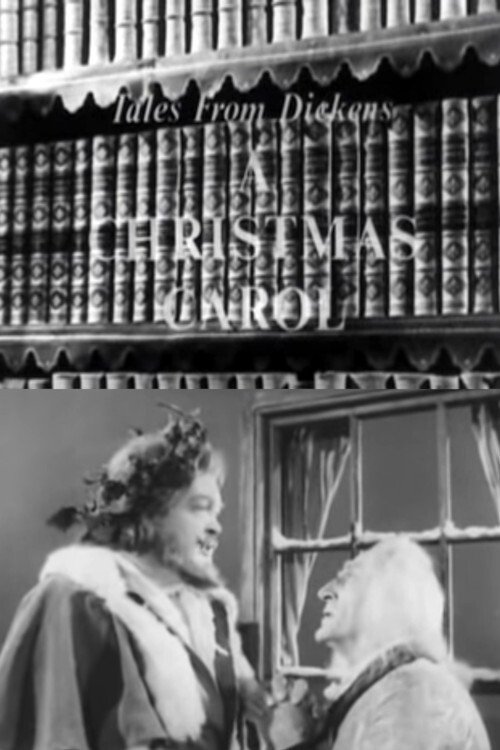
1959
Director
Ross MacKenzie
Runtime
25 minutes
Average Rating
No ratings yetNew Showbiz Analysis
This 1959 adaptation of *A Christmas Carol* is a traditionalist production that aligns closely with the mid-century status quo. It adheres to the period-typical storytelling conventions of the late 1950s, prioritizing established moral hierarchies and conventional social structures. The film offers minimal disruption to standard narrative clichés. It focuses on a singular, homogeneous view of Victorian London, reinforcing traditional gender roles and Western moral frameworks without exploring diverse identities or perspectives. Ultimately, the work functions as a standard adaptation of Dickens' text, emphasizing spiritual redemption and social cohesion through a very narrow, conventional lens.
Category Breakdown
The film does not depict any non-straight relationships or include any queer subtext. It focuses solely on the traditional interpersonal dynamics from the Dickensian source material.
Female characters such as Belle and Mrs. Cratchit operate within domestic or sentimental frameworks. The narrative reinforces conventional 1950s depictions of femininity as a tool for the male protagonist's moral reflection.
The production maintains a traditional, Anglo-centric portrayal of Victorian London. There is no evidence of race-bent casting or diverse ethnic perspectives within the setting.
The story operates within a framework of traditional Western morality and spiritual redemption. It promotes communal and familial values rather than challenging Western institutions.
Tiny Tim serves as an emotional focal point, but his physical frailty acts primarily as a sentimental plot device. Characters with disabilities lack real ability to act or empowerment.
Present on Screen
Limited or Absent
Official Synopsis
Miser Ebenezer Scrooge is awakened on Christmas Eve by spirits who reveal to him his own miserable existence, what opportunities he wasted in his youth, his current cruelties, and the dire fate that awaits him if he does not change his ways. Scrooge is faced with his own story of growing bitterness and meanness, and must decide what his own future will hold: death or redemption. Originally aired as part of Fredric March Presents Tales from Dickens.
1977
1938
1954
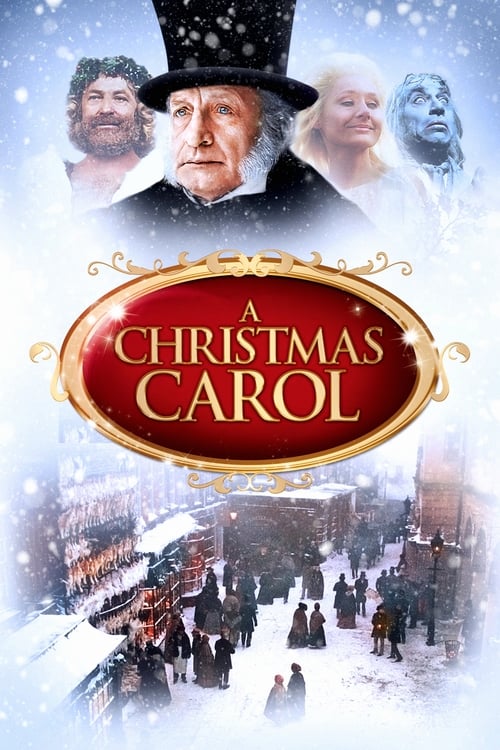
1984
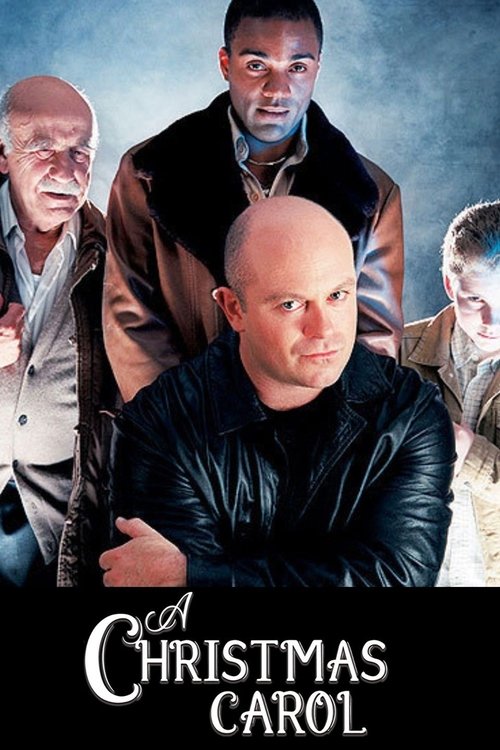
2000

1999
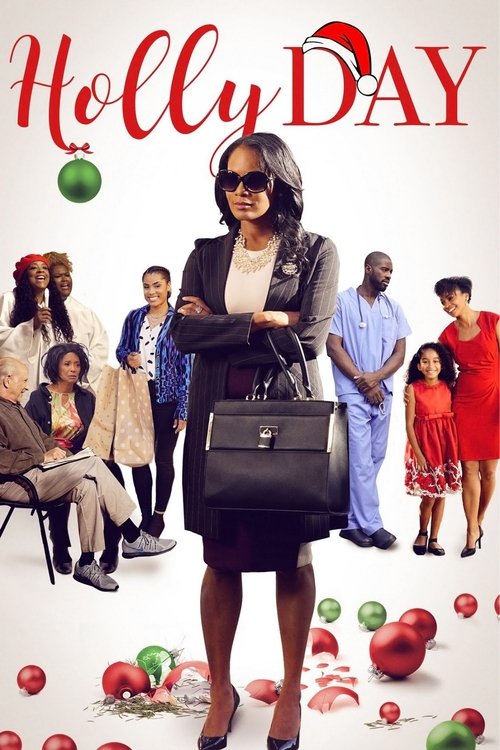
2018
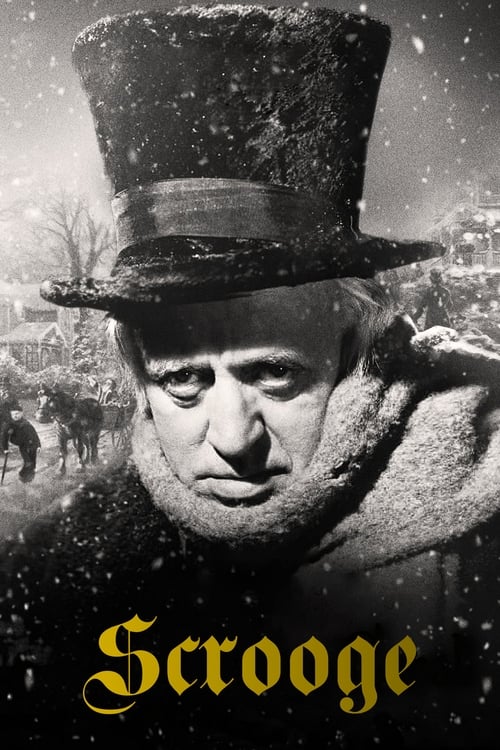
1951
No reviews yet. Be the first to share your thoughts on this movie!
Use the rating form above to leave a star rating and optional review.