
The Opium Wars
1959
No user ratings available yet
Representation score: 3.9 out of 10
Representation Score
Fair
1983
Director
Li Han-Hsiang
Runtime
88 minutes
Average Rating
No ratings yetNew Showbiz Analysis
The film serves as a powerful piece of historical revisionism that challenges triumphant Western narratives. By focusing on the perspective of the colonized during the Second Opium War, it dismantles the power dynamics of imperialist expansion. While the film excels at centering non-Western perspectives and critiquing colonial aggression, it remains rooted in traditional social structures. The narrative structure prioritizes geopolitical tragedy over individual multi-layered identities. Ultimately, the film's strength lies in its portrayal of the destruction of cultural landmarks as a systemic act of oppression, offering a necessary counter-narrative to traditional imperialist histories.
Category Breakdown
The film does not include explicit LGBTQ+ characters or stories that go beyond the assumption that everyone is straight. It focuses on large-scale geopolitical conflicts rather than individual queer identities.
The story centers on male-dominated hierarchies within the imperial court. Women have some influence behind the scenes, but the main roles are given to male military and political figures.
The film offers a strong critique of Western colonial dominance. It highlights Chinese imperial subjects as victims of systemic violence, challenging typical Western explorer narratives.
The story critiques colonial capitalism and imperialism. It emphasizes the destruction of cultural heritage during the burning of the Yuan Ming Yuan.
There is no indication of the portrayal of physical or neurodivergent disabilities in the narrative.
Present on Screen
Limited or Absent
Official Synopsis
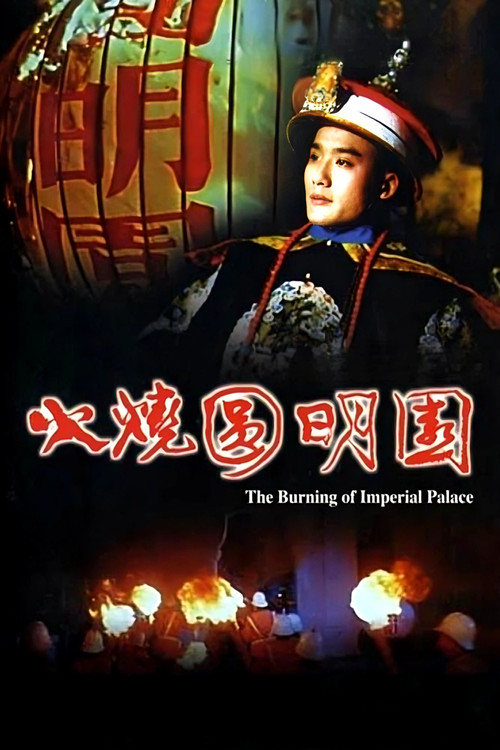
Dramatization of events from the Second Opium War which culminated in the looting and destruction of imperial estate "Yuan Ming Yuan", AKA the Old Summer Palace by invading English and French troops.
1959

2020
1983
1944
1990
2001
2015
1963
No reviews yet. Be the first to share your thoughts on this movie!
Use the rating form above to leave a star rating and optional review.