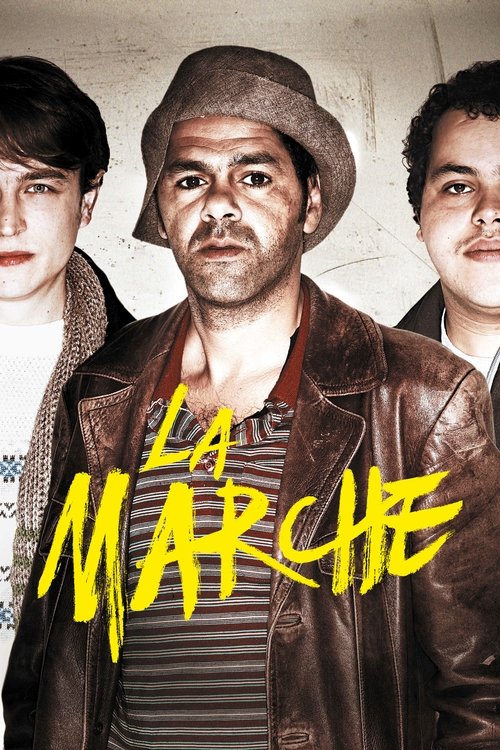
The Marchers
2013
No user ratings available yet
Diversity score: 7.6 out of 10
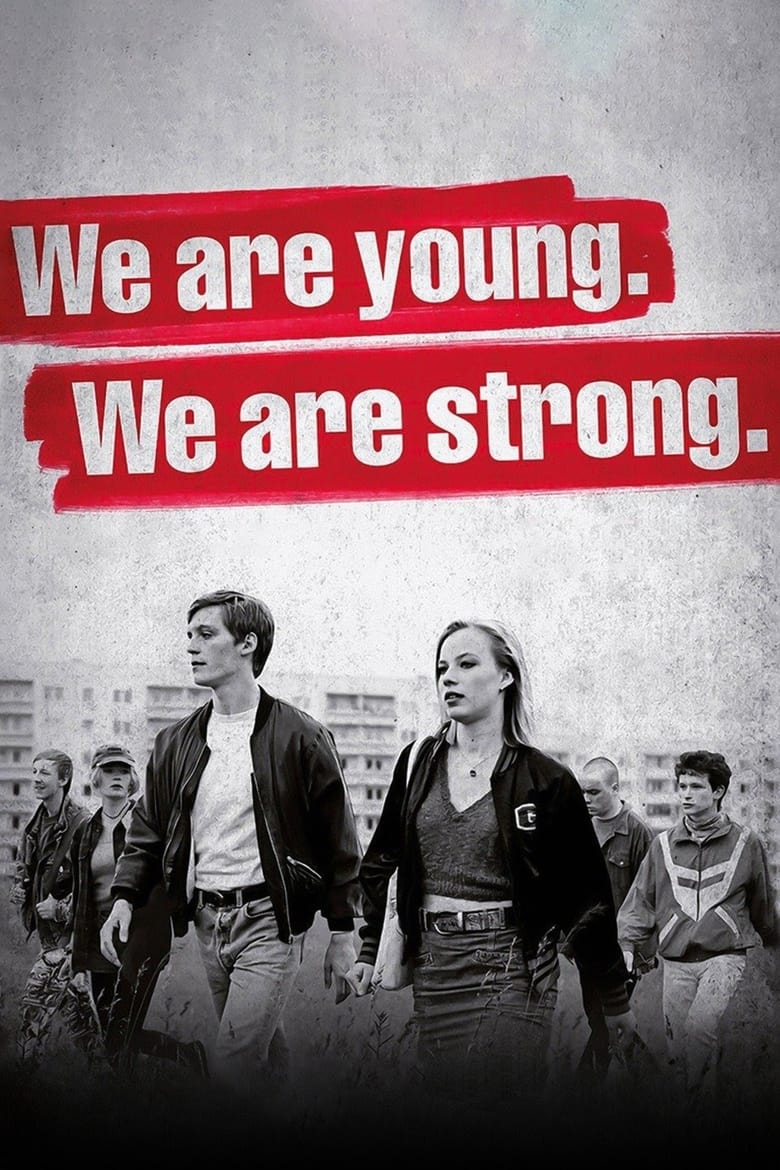
2014
Director
Burhan Qurbani
Runtime
123 minutes
Average Rating
No ratings yetSynopsis
On 24th August 1992 in the eastern German city of Rostock, a rampaging mob, to the applause and cheering of more than 3,000 bystanders, besieged and set fire to a residential building containing, among others, more than 120 Vietnamese men, women, and children on what has since become known as "The Night of the Fire." The riots became a symbol of xenophobia in the just-reunited Germany. This film recounts the incident from the perspectives of three very different characters.
Overall Score
Good
Category Breakdown
LGBTQ+ Representation
The film focuses primarily on racial and xenophobic violence rather than queer narratives. While non-normative identities exist within the social fabric, specific LGBTQ+ characters are not central to this historical recount.
Gender Representation
The narrative disrupts traditional hierarchies by centering the agency and vulnerability of women. It shifts focus away from aggressive masculine archetypes toward the survivalist experiences of women caught in violence.
Racial & Ethnic Diversity
The film excels by centering a Vietnamese community as protagonists in a white, post-reunification German setting. It avoids white savior tropes, granting high agency to characters of color navigating systemic crisis.
Religious & Cultural Diversity
The story critiques Western nationalist fervor and the breakdown of social cohesion. It portrays the mob mentality and institutional failures as a systemic collapse rather than an isolated incident.
Disability Representation
There is no evidence within the narrative to determine the presence of characters with visible or invisible disabilities.
Strengths
Areas for Improvement
AI Analysis
Burhan Qurbani’s drama provides a powerful critique of systemic xenophobia by centering the Vietnamese diaspora during the 1992 Rostock riots. By prioritizing the lived experiences of marginalized individuals, the film disrupts traditional nationalist historical narratives. The film's greatest strength is its refusal to rely on white savior tropes, instead granting agency to its minority protagonists. It effectively uses the historical context of the 'Night of the Fire' to examine the failure of state institutions and the dangers of mob mentality. However, the film's scope is narrow, focusing heavily on racial and ethnic conflict. This leaves little room for the exploration of LGBTQ+ identities or disability representation, which remain largely absent from the central narrative arc.
2013
2019

2020
2003
2021
2006
2015
2020
2009
2007
2016

2011
No reviews yet. Be the first to share your thoughts on this movie!
Use the rating form above to leave a star rating and optional review.