High Kukus
1973
No user ratings available yet
Representation score: 5.8 out of 10
Representation Score
Fair
1974
Director
Margaret Tait
Runtime
12 minutes
Average Rating
No ratings yetNew Showbiz Analysis
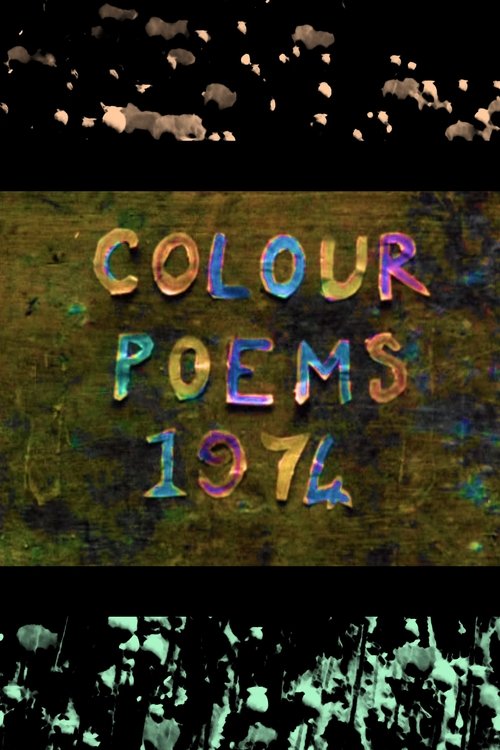
Margaret Tait’s *Colour Poems* is a work of formal subversion rather than character-driven social commentary. As an experimental piece, it bypasses the traditional narrative frameworks used to measure identity, focusing instead on the poetic essence of the image. The film's strength lies in its disruption of mainstream cinematic hierarchies. By rejecting conventional storytelling, Tait avoids the gendered expectations and patriarchal spectacles common in 1970s cinema. However, the film's reliance on abstraction and 'found' imagery means it lacks the human-centric details necessary to evaluate racial, religious, or disability representation. It exists in a space of formal progressivity rather than explicit social inclusion.
Category Breakdown
The film does not include explicit representations of LGBTQ+ characters or romantic orientations. Its non-narrative structure avoids assumptions about straight relationships, creating a neutral space that lacks active representation.
Directed by a female filmmaker, the film challenges the male-dominated perspective typical of the 1970s. It subverts traditional patriarchal structures by emphasizing sensory experiences and abstract imagery over traditional character-driven narratives.
The work centers on elemental themes and direct-on-film animation. There is no indication of a cast or specific ethnic character studies within this experimental format.
Tait employs a postmodernist approach, shifting from words to images to deconstruct cinematic authority. The film favors subjective, poetic interpretations over nationalistic or institutionalized messages.
The abstract and sensory nature of the film provides no evidence regarding physical or neurodivergent identities. The focus remains on visual poetry rather than human-centric representation.
Present on Screen
Limited or Absent
Official Synopsis
'Titles within the film are: Numen of the Boughs, Old Boots, Speed Bonny Boat, Lapping Water, Incense, Aha, Brave New World, Things, Terra Firma. A poem started in words is continued in images - Part of another poem as an addition to the picture - Some images formed by direct-on-film animation - Others 'found' by the camera" - MT
1973
1969
1980

1974
1981
1974

1970
2018
No reviews yet. Be the first to share your thoughts on this movie!
Use the rating form above to leave a star rating and optional review.