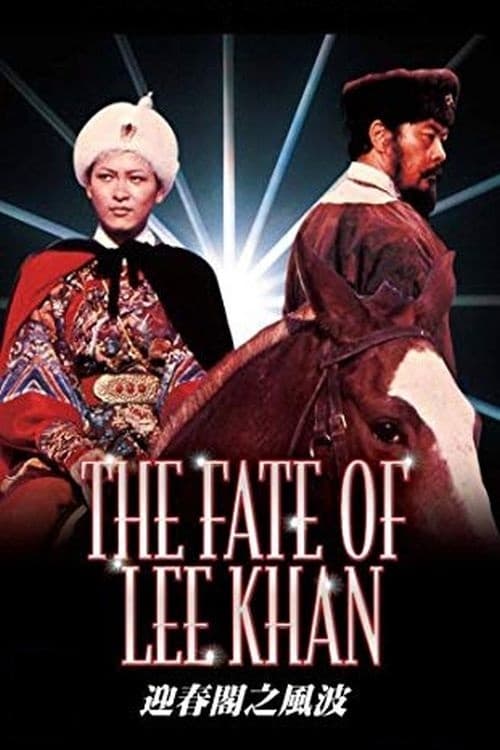
The Fate of Lee Khan
1973
No user ratings available yet
Representation score: 6.1 out of 10
Representation Score
Fair
1975
RDirector
Chang Cheh
Runtime
108 minutes
Average Rating
No ratings yetNew Showbiz Analysis
The film stands out by breaking down the traditional explorer cliché. Instead of being a detached Western observer, the protagonist undergoes a transformation that questions the legitimacy of the Mongol administration. While the film successfully blends Western and Eastern cultures and critiques systemic issues, it remains focused on masculine archetypes. The narrative emphasizes political rebellion and cultural intersection over broader social representation. Ultimately, the film uses a historical setting to explore themes of loyalty and the subversion of established hierarchies, offering a meaningful alternative to homogeneous adventure stories.
Category Breakdown
The film focuses on masculine action and brotherhood. There is no clear depiction of non-straight or non-cisgender identities or same-sex relationships.
The story centers on male-driven political struggle and action. Female characters do not have much influence or challenge traditional gender roles.
The film combines Western and Eastern identities through its main characters. The protagonist transitions from an imperial official to a rebel, bridging cultural gaps.
The narrative challenges imperial authority by showing the Mongol administration as an entity to resist. It highlights localized rebellion over centralized state power.
There is no information about the portrayal of physical or neurodivergent disabilities in the film.
Present on Screen
Limited or Absent
Official Synopsis
Set at the time of Italian explorer Marco Polo's historic expedition to China ,during the reign of Monogol ruler Kublai Khan, it stars American actor Richard Harrison as Polo. Taking considerable liberties with the historic record, the film has Polo turning up as an Imperial Inspector assigned to root out Chinese rebles in the south, but eventually being won over to their cause.
1973

1967
1977

1966
1977
1961
2011
1964
No reviews yet. Be the first to share your thoughts on this movie!
Use the rating form above to leave a star rating and optional review.