
The Black Corsair
1976
No user ratings available yet
Representation score: 2.8 out of 10
Representation Score
Fair
1977
Director
Sergio Sollima
Runtime
130 minutes
Average Rating
No ratings yetNew Showbiz Analysis
The film stands out for its anti-imperialist stance, centering a non-Western protagonist in a struggle against the British Empire. This structural choice provides a platform for diverse ethnic ability to act and critiques colonial power. However, the film remains anchored in the traditional clichés of 1970s adventure cinema. The narrative is driven by masculine heroism, and the lack of queer identity or disability representation limits its broader inclusivity.
Category Breakdown
The film focuses on colonial conflict and adventure rather than queer identity. It adheres to the period-typical romantic structures of 1970s adventure cinema.
The narrative centers on Sandokan, a male protagonist driving the plot through physical prowess. While it avoids some reductive depictions of femininity, it operates within traditional masculine hierarchies.
The film disrupts Western-centric narratives by positioning a non-Anglo-Saxon protagonist as the primary agent of resistance. It prioritizes the ability to act of indigenous characters against the British Empire.
The story emphasizes a struggle for regional sovereignty and critiques imperialist expansion. It portrays Western colonial institutions as oppressive and corrupt forces.
There is no evidence of significant disability representation or characters utilizing disability as a primary narrative device.
Present on Screen
Limited or Absent
Official Synopsis
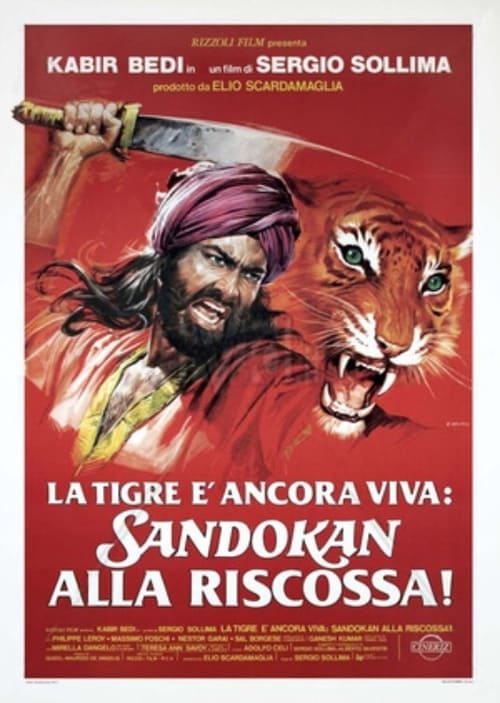
The pirate Sandokan, the Bengal tiger and the East India Company's terror, fighting the British Empire and the ondeskefulla James Brooke, rahjan of Sarawak.
1976
1967
1959

1983
1978
1953
1975
1992
No reviews yet. Be the first to share your thoughts on this movie!
Use the rating form above to leave a star rating and optional review.