Ghost Squad
2015
No user ratings available yet
Representation score: 2.8 out of 10
Representation Score
Fair
2006
Director
Branko Ištvančić
Runtime
90 minutes
Average Rating
No ratings yetNew Showbiz Analysis
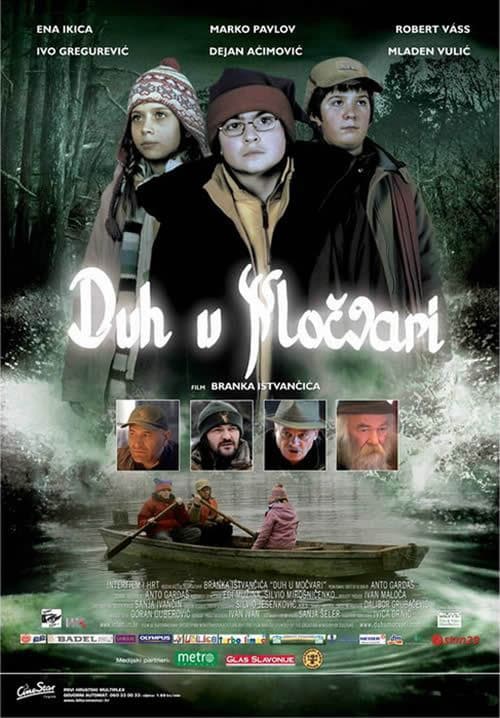
The Ghost in the Swamp is a localized adventure that prioritizes genre clichés and regional folklore over diverse storytelling. While it avoids overtly exclusionary themes, it operates within a very traditional framework. The narrative centers on a standard group of protagonists and a homogeneous setting. This results in a story that reflects a specific demographic reality rather than attempting to challenge or expand social representation. Ultimately, the film functions as a conventional mystery. It lacks the intentionality needed to disrupt social hierarchies or provide complex, diverse character arcs.
Category Breakdown
The film does not include explicit LGBTQ+ characters or stories focusing on non-straight identities. The main storyline revolves around a traditional friendship between three friends, without any visible queer elements.
Melita offers a balanced viewpoint among the central trio of main characters. However, the plot follows a traditional heroic journey that doesn't actively challenge established gender roles.
Set in Kopacevo, the film reflects the likely homogeneous ethnic population of its specific location. There is no indication of intentional racial diversity or varied casting.
The story centers on local folklore and the preservation of community traditions. It functions as a classic mystery grounded in historical continuity and regional social order.
Halasz’s hospitalization due to shock serves mainly as a plot device to increase suspense. The film lacks detailed exploration of neurodivergence or characters with disabilities who have significant influence over the plot.
Present on Screen
Limited or Absent
Official Synopsis
After Liptus arrives in a small village from the city, he calls his best friends, Miron and Melita, on winter holidays in Kopacevo. That same night, while they are all sleeping cozily, from their deep sleep Miron and Melita are woken by the disturbing sounds of villagers, carrying flares and disappearing into the darkness at the end of the street. At the docks, they find Halasz, a boy known for his bravery. He is cold, pale from shock, and babbling a white ghost. While most of the villagers don't believe Halasz's story, older citizens recall a long time ago when a forgotten spirit would scare people at night in dark and foggy swamps. Everyone locks themselves in their houses and Halasz ends up in a hospital where the doctors can't help him. Miron, Liptus, and Melita, now alone, take matters into their own hands, revealing the secret of the ghost and saving their friend.
2015
1990

2010
1999
2009
2018
2008
1996
No reviews yet. Be the first to share your thoughts on this movie!
Use the rating form above to leave a star rating and optional review.