
A Near Death Experience
2008
No user ratings available yet
Representation score: 4.9 out of 10

Representation Score
Fair
1991
Not RatedDirector
Martin Donovan
Runtime
94 minutes
Average Rating
No ratings yetNew Showbiz Analysis
Death Dreams prioritizes psychological surrealism and stylistic experimentation over broad demographic representation. The film deconstructs traditional domestic stability and patriarchal roles through intense, non-linear character studies. However, the narrative lacks complexity in addressing broader social, ethnic, or systemic issues. It focuses primarily on individual psychological states, limiting its engagement with wider societal perspectives. Ultimately, the film serves as a narrow, character-driven exploration of grief and obsession rather than a diverse social commentary.
Category Breakdown
The film does not include explicit LGBTQ+ identities or narratives. There is no depiction of non-traditional gender identities or same-sex relationships in the main storyline.
The story disrupts traditional gender hierarchies by focusing on psychological instability. It avoids typical masculine dominance or feminine submissiveness, instead highlighting mental fragmentation.
The film seems to focus on a stylized version of the American West. There is no indication of a multi-ethnic cast or perspectives outside Anglo-Saxon backgrounds.
The story avoids didactic or religious themes by emphasizing a surreal, fragmented reality. It focuses on internal psychological landscapes rather than institutional critiques.
Themes of mental instability and psychological fragmentation are present. However, these are portrayed through surrealism rather than a realistic portrayal of mental health issues.
Present on Screen
Limited or Absent
Official Synopsis
Despite her husband's doubts, a woman reaches out to her dead daughter with a psychiatrist's help.
2008
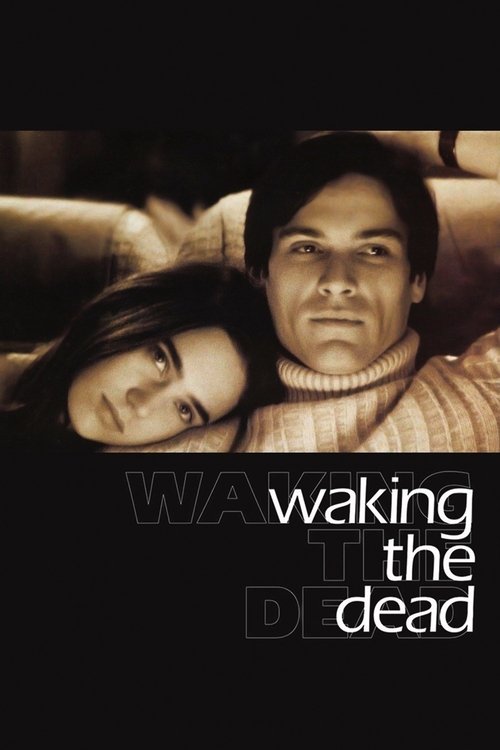
2000

2012
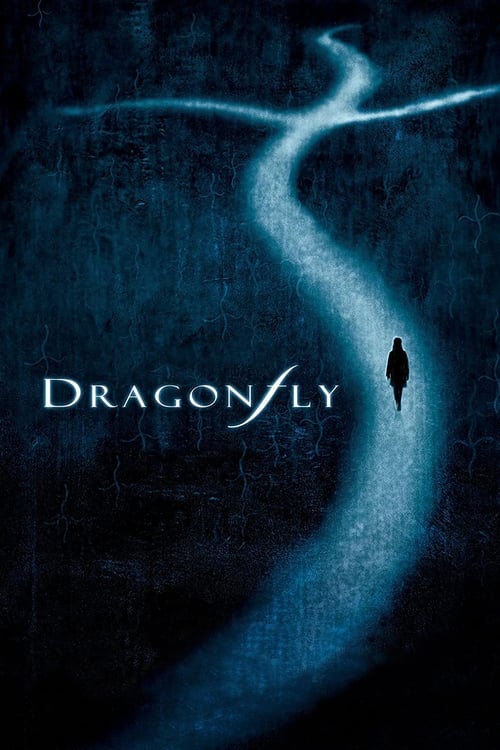
2002

2005

2019
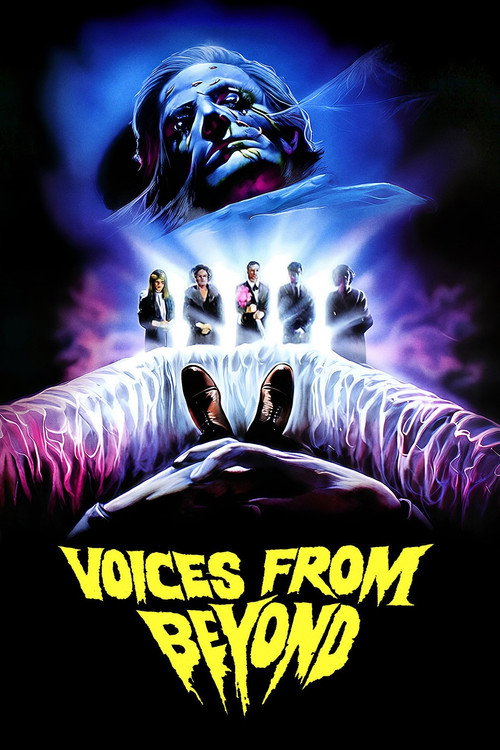
1991
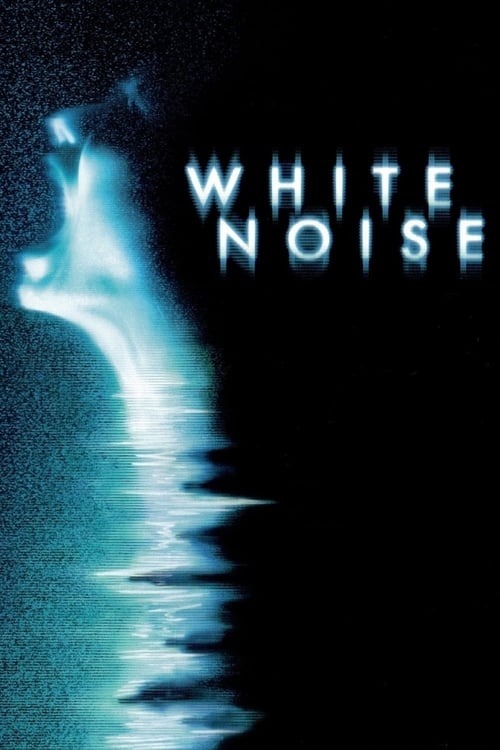
2005
No reviews yet. Be the first to share your thoughts on this movie!
Use the rating form above to leave a star rating and optional review.