
Jenseits des Spiegels
2018
No user ratings available yet
Representation score: 6.6 out of 10
Representation Score
Fair
2012
Not RatedDirector
Alastair Siddons
Runtime
81 minutes
Average Rating
No ratings yetNew Showbiz Analysis
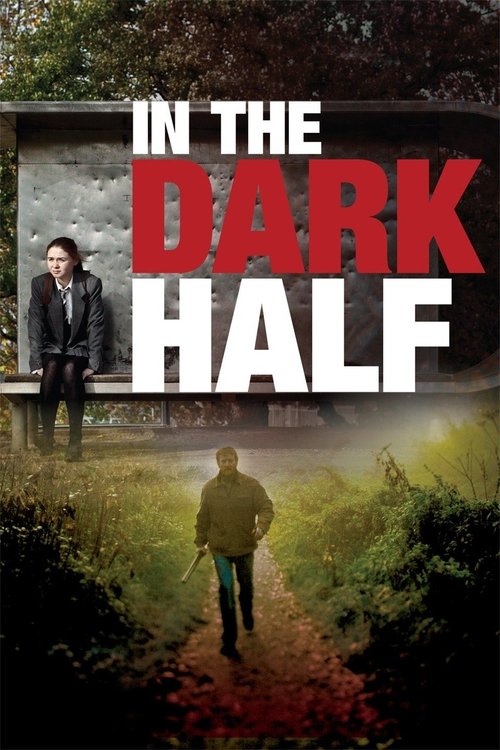
In the Dark Half operates as a character-driven psychological drama rather than a vehicle for systemic social critique. It centers a female perspective through its protagonist, providing a meaningful study of grief and obsession. However, the film remains within traditional narrative frameworks. It lacks explicit representation of LGBTQ+ identities and does not explore disability or neurodivergence deeply. While the cast features some racial integration, the narrative does not actively deconstruct social norms.
Category Breakdown
The film does not include any explicit LGBTQ+ characters or narratives. The story revolves around traditional interpersonal relationships without exploring non-straight or non-cisgender identities.
A female protagonist drives the narrative, focusing on her psychological journey and providing a central perspective on trauma. This emphasis on her role stands out from typical male-centric dramas.
The film includes actors of diverse backgrounds, such as Black British actress Adjoa Andoh, indicating some racial integration. However, the story centers on a localized mystery without a non-white majority cast.
The film examines subjective morality through themes of loss and obsession. It functions as a psychological drama without critiquing Western institutions or religious norms.
While the story touches on psychological trauma and mourning, it does not explicitly represent neurodivergence or chronic illness. Characters do not have clear ability to act regarding visible or invisible disabilities.
Present on Screen
Limited or Absent
Official Synopsis
A teenage girl comes to terms with the unexplained death of the boy next door.
2018

2015

2020

2013

2017

2019
2024
2009
No reviews yet. Be the first to share your thoughts on this movie!
Use the rating form above to leave a star rating and optional review.