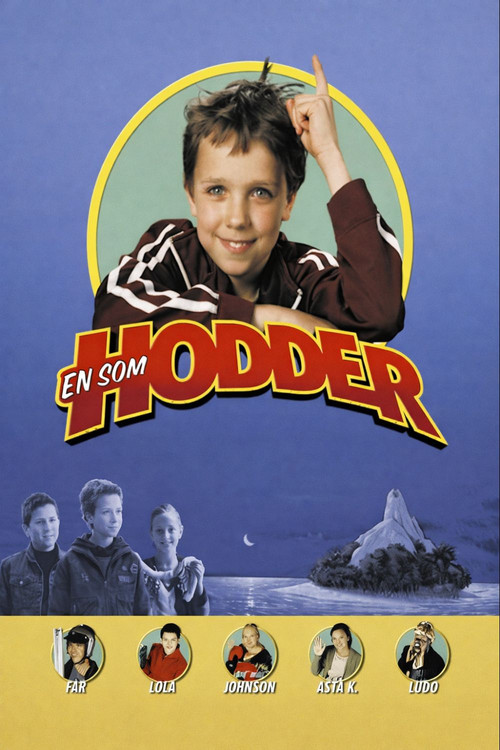
Someone Like Hodder
2003
No user ratings available yet
Representation score: 3.7 out of 10
Representation Score
Limited
2002
Director
David Lister
Runtime
86 minutes
Average Rating
No ratings yetNew Showbiz Analysis
The film adheres strictly to traditional fantasy archetypes and the singular hero's journey. It functions within established genre clichés, focusing on a binary struggle between good and evil rather than complex character development. While the female antagonist provides a central role, the narrative structure remains centered on male control. The lack of multi-layered identities or systemic challenges keeps the story within conventional boundaries. Ultimately, the work reinforces traditional moral stability and Western storytelling norms, offering little in the way of diverse representation or social critique.
Category Breakdown
The film follows a traditional hero’s journey centered on a young protagonist and his mentor. There is no mention of non-straight or non-cisgender identities or same-sex relationships within the narrative.
The story centers on a male protagonist and mentor navigating a conflict against a female antagonist. While Morgana is a central figure, the film relies on the 'evil sorceress' cliché.
The setting follows a standard Western fantasy model. The narrative appears to lean toward a homogeneous character set without evidence of multi-ethnic casting or diverse ethnic backgrounds.
The plot utilizes a classic Western mythological framework of good versus evil. It emphasizes protecting the status quo rather than critiquing institutions or exploring moral relativism.
The narrative provides no information regarding characters with visible or invisible disabilities. No assessment can be made regarding the portrayal of neurodivergence or chronic illness.
Present on Screen
Limited or Absent
Official Synopsis
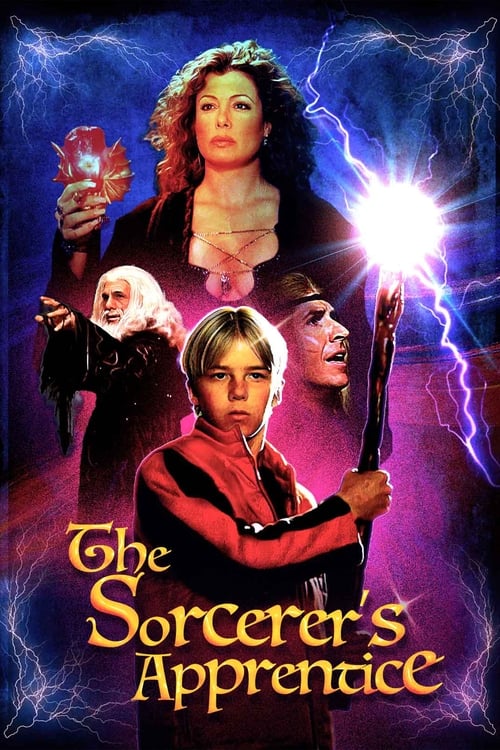
Every hundred years, the evil sorceress Morgana returns to claim Fingall's talisman from Merlin, with which she intends to destroy the world. For the last fourteen hundred years she has failed... now she intends to conquer all. Young Ben Clark moves with his parents to a new town, where he befriends his elderly magician neighbor, Milner. Ben has a natural talent for magic and wants to learn all that he can from this old man. Ben carries the same scar as the original staff-bearer 1,400 years before. Both Morgana and Milner, who is revealed to be Merlin, see this as a sign that this time, the battle between good and evil will be stronger and harder than ever. Ben must make his own choice between good and evil as he is drawn into a battle and must draw on his own spirit and magic to decide which path to follow and hence, the fate of the world as we know it.
2003

2019
1997
1998
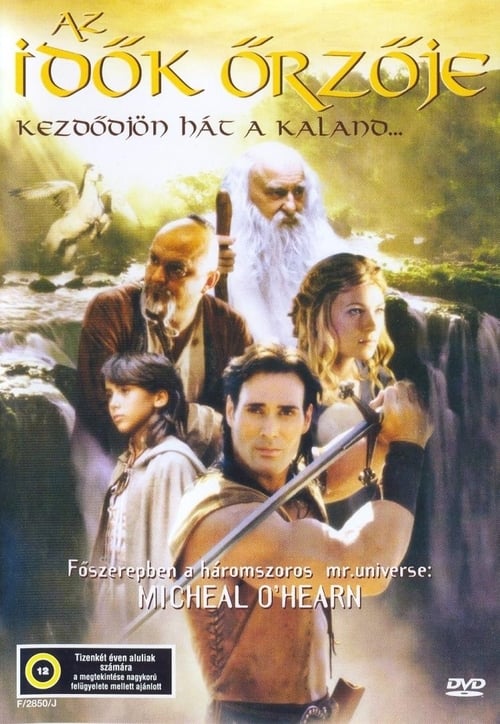
2004
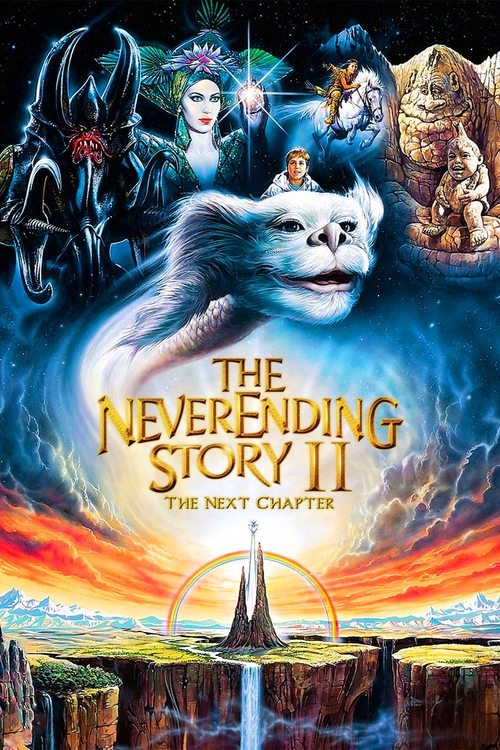
1990

2003
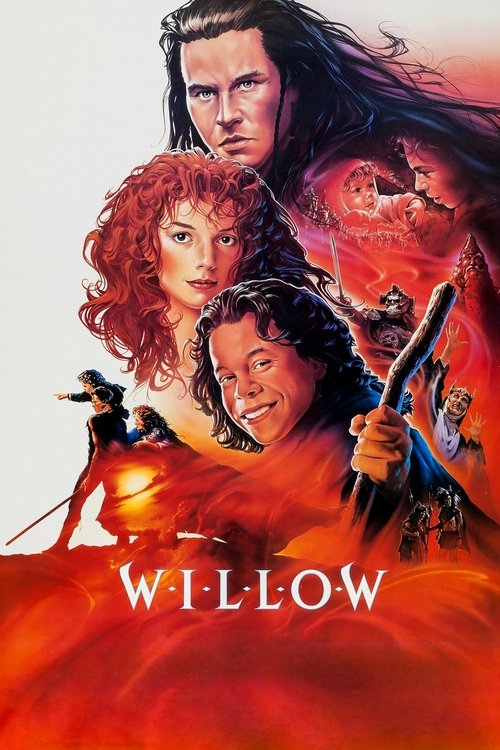
1988
No reviews yet. Be the first to share your thoughts on this movie!
Use the rating form above to leave a star rating and optional review.