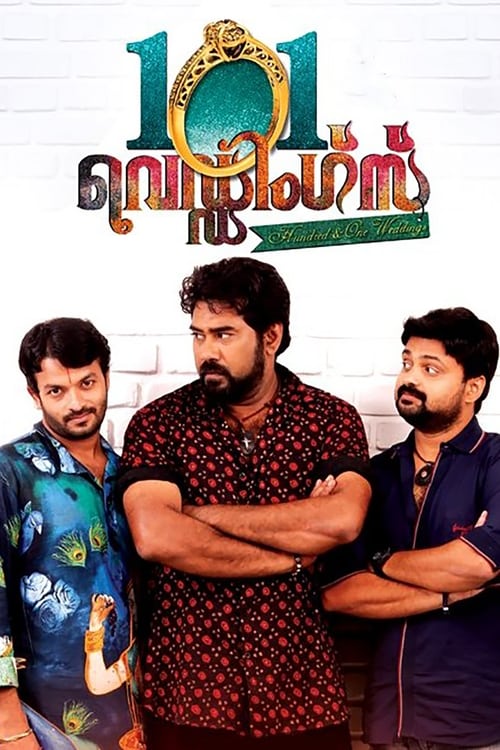
101 Weddings
2012
No user ratings available yet
Diversity score: 4.1 out of 10

2005
Director
Hwang Byeong-gug
Runtime
120 minutes
Average Rating
No ratings yetSynopsis
A 38-year-old single man, Hong Man-Taek is a petty farmer still living with his mother. Seeing a neighbor married to an Uzbekistan bride and frightened by the fact that his own grandson will never get married, Man-Taek's grandfather decides to send Man-tek to Uzbekistan to find a bride.
Overall Score
Limited
Category Breakdown
LGBTQ+ Representation
The film focuses entirely on heteronormative marriage and traditional family lineage. There is no evidence of non-cisnormative identities or critiques of heteronormativity.
Gender Representation
The narrative reinforces traditional hierarchies and patriarchal lineage. Female characters are positioned as objects of a search to fulfill the male protagonist's social requirements.
Racial & Ethnic Diversity
The story disrupts domestic homogeneity by introducing Uzbek ethnic identities. This provides a platform for cross-cultural interaction through the protagonist's international journey.
Religious & Cultural Diversity
The plot explores friction between agrarian lifestyles and modern international matchmaking. It prioritizes traditional social structures and family continuity over institutional critique.
Disability Representation
There are no visible or invisible disabilities identified within the primary character arcs.
Strengths
Areas for Improvement
AI Analysis
Wedding Campaign operates as a traditional romantic comedy that uses an international setting to expand its cultural scope. While it introduces racial diversity through its Uzbek setting, the film remains anchored in conventional social hierarchies. The narrative structure prioritizes patriarchal expectations and the continuity of the family unit. This focus limits the agency of female characters, who are framed as targets of a matchmaking campaign rather than independent actors. Ultimately, the film utilizes cross-cultural interaction as a comedic device rather than a means to challenge established norms regarding gender or domesticity.
2012
2018
2006

2009
2016
2014

2002
1987
2000

2009
2020
2005
No reviews yet. Be the first to share your thoughts on this movie!
Use the rating form above to leave a star rating and optional review.