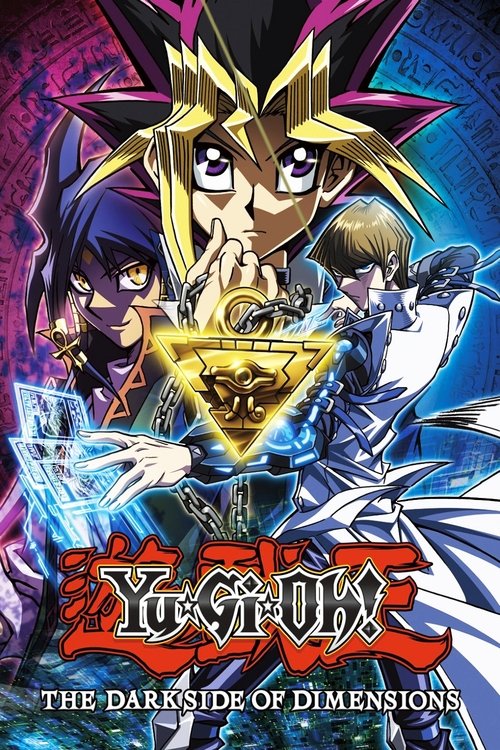
Yu-Gi-Oh!: The Dark Side of Dimensions
2016
No user ratings available yet
Diversity score: 3.8 out of 10

2002
NRDirector
Toshifumi Kawase
Runtime
71 minutes
Average Rating
No ratings yetSynopsis
Immediately after winning the National Championships, Tyson is challenged by a mysterious boy named Daichi, who is determined to become the next Beyblading champion. But when they battle, their Beyblades awaken ancient dark forces that take human form and become the evil Shadow-Bladers who vow to destroy mankind! Now it's up to Tyson and the Bladebreakers to defeat the Shadow-Bladers before they carry out their destructive plan. Will they succeed... or is this the end of the Bladebreakers?
Overall Score
Limited
Category Breakdown
LGBTQ+ Representation
The film focuses entirely on competitive sportsmanship and combat between young male protagonists. There is no evidence of non-cisnormative identities or same-sex intimacy. The story adheres to a traditional heteronormative framework.
Gender Representation
Agency is concentrated within a male-dominated ensemble, with male characters driving the central conflict. While female characters appear in the supporting cast, they function within conventional roles. The narrative reinforces the trope of the male hero.
Racial & Ethnic Diversity
The ensemble is culturally homogeneous, primarily composed of East Asian characters. The setting maintains a singular cultural lens without exploring intersectional racial dynamics. It lacks the intentional mixing of diverse ethnic identities seen in modern media.
Religious & Cultural Diversity
The plot emphasizes traditional values like perseverance and discipline within a tournament setting. The moral framework is binary, distinguishing protectors from dark forces. It follows standard structures rather than exploring postmodern moral relativism.
Disability Representation
Characters are portrayed through the lens of physical prowess and athletic capability. There is no significant depiction of visible or invisible disabilities. Neurodivergence and physical disability are not used as narrative devices.
Strengths
Areas for Improvement
AI Analysis
The film is a conventional genre piece that prioritizes traditional shonen tropes of competition and heroism. It functions within established social and gender hierarchies, reinforcing rather than challenging standard expectations of leadership. While the movie provides a cohesive experience for its target demographic, it lacks the intentionality required to disrupt systemic norms. The representation remains surface-level, focusing on a singular cultural lens and a male-centric power structure. Ultimately, the narrative serves to uphold traditional moral and social frameworks. It offers a predictable, high-stakes adventure that avoids complex intersectional identities or diverse social perspectives.
2016
2007
2011
2015
2018
2004
2008
2013
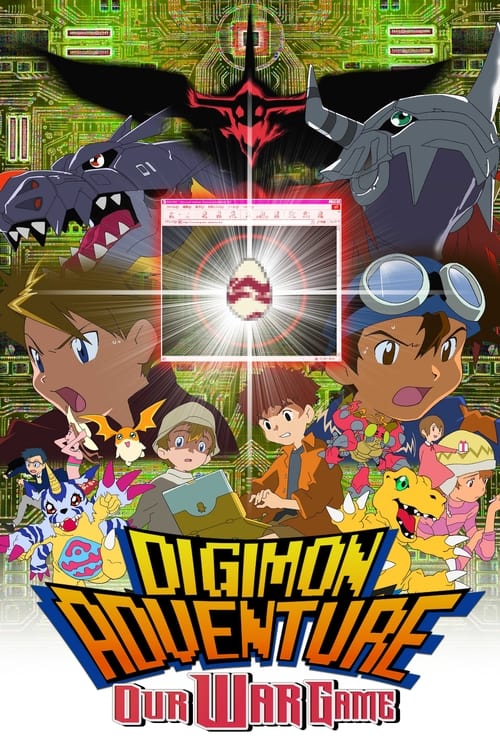
2000
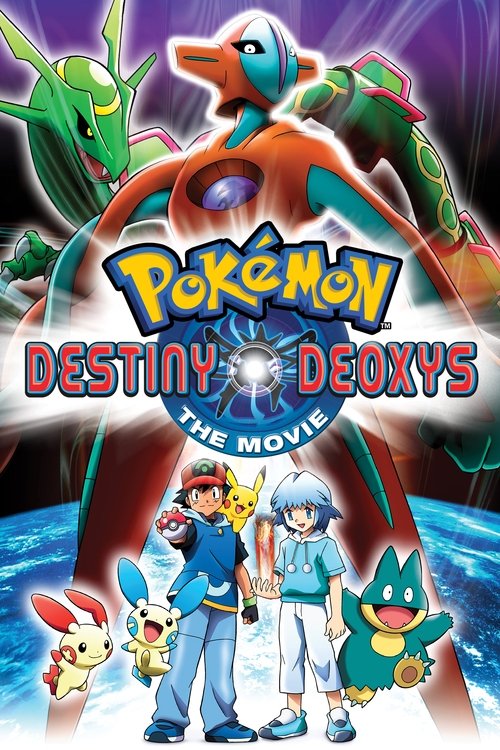
2004
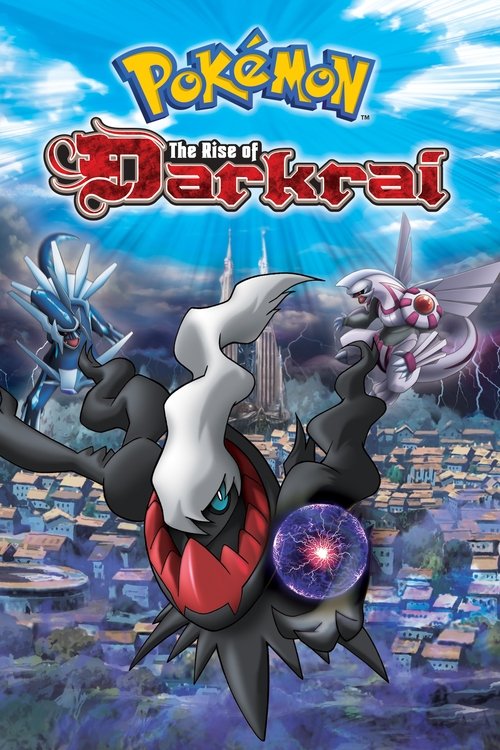
2007

1999
No reviews yet. Be the first to share your thoughts on this movie!
Use the rating form above to leave a star rating and optional review.