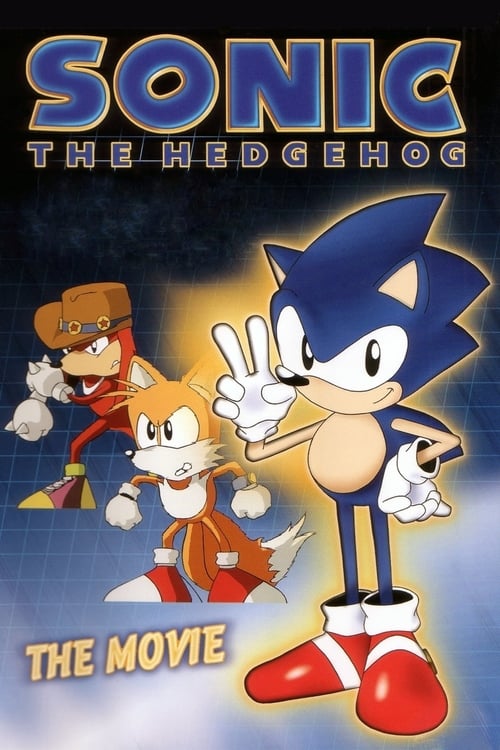
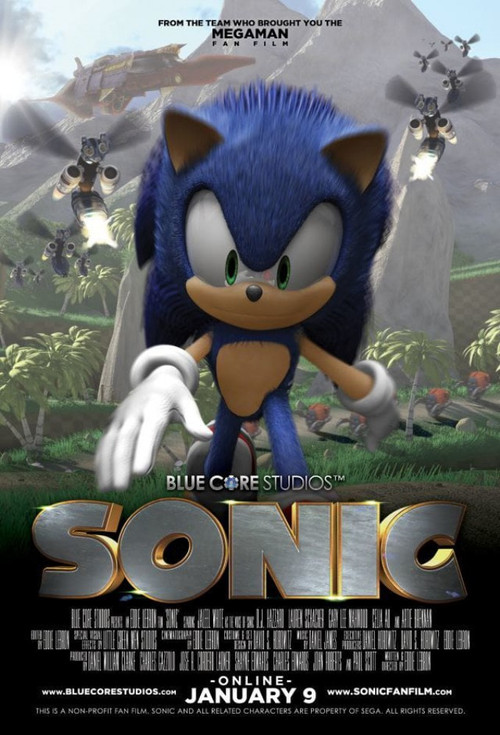
Sonic the Hedgehog: The Movie
1996
No user ratings available yet
Diversity score: 3.0 out of 10
2011
Director
Audu Paden, Greg Richardson, Vincent Edwards
Runtime
50 minutes
Average Rating
No ratings yetSynopsis
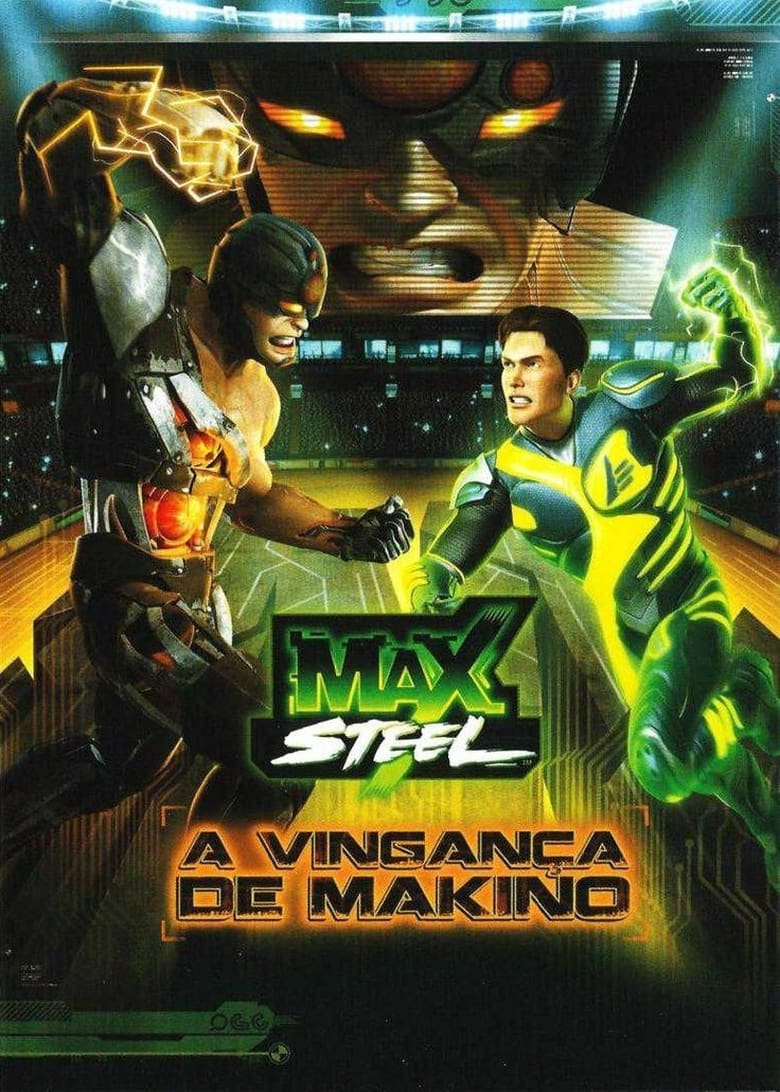
When the heroic exploits of Max Steel appear on television, his fame grows ... the same as his ego. Max defies Ferrus's orders and falls into the trap of a new and dangerous enemy, Makino. Half man and half machine, Makino is super powerful and arrogant. The only thing that surpasses Makino's ego is his hatred for Max Steel. Using his ability to control machines, Makino makes humanity turn against Max. As the power of Makino increases, it is difficult for the team of Max Steel to defeat him and everything falls apart: Cytro runs out of energy, Berto is kidnapped and N-Tek is forced to close its doors. This time, Max has to fix it alone...
Overall Score
Limited
Category Breakdown
LGBTQ+ Representation
The film contains no evidence of LGBTQ+ characters or non-cisnormative identities. The narrative focus remains strictly on the conflict between Max Steel and Makino.
Gender Representation
The story leans into traditional masculine archetypes centered on ego and combat. There is no visible evidence of femininity in non-traditional roles or the subversion of gender hierarchies.
Racial & Ethnic Diversity
Character names like Berto and Ferrus suggest a potentially diverse team. However, the film lacks specific details to confirm intersectional depth or non-Anglo-Saxon majority casts.
Religious & Cultural Diversity
The plot reinforces Western heroic tropes, focusing on a singular hero defending a centralized institution. It prioritizes the restoration of order over the deconstruction of social structures.
Disability Representation
No characters are shown navigating neurodivergence or physical disabilities. Makino’s half-machine nature serves as a standard sci-fi trope rather than a nuanced exploration of disability.
Strengths
Areas for Improvement
AI Analysis
Max Steel: Makino's Revenge follows a conventional action-adventure trajectory. The plot centers on individual heroism, the consequences of personal hubris, and the struggle against a technologically-driven antagonist. The narrative architecture prioritizes the preservation of institutional stability through N-Tek. It relies on established tropes of duty and authority rather than exploring diverse social perspectives or identity-driven subtext. Ultimately, the film functions as a standard hero's journey. It lacks the structural indicators necessary to move beyond traditional, singular-protagonist storytelling models.
1996
1983
1995
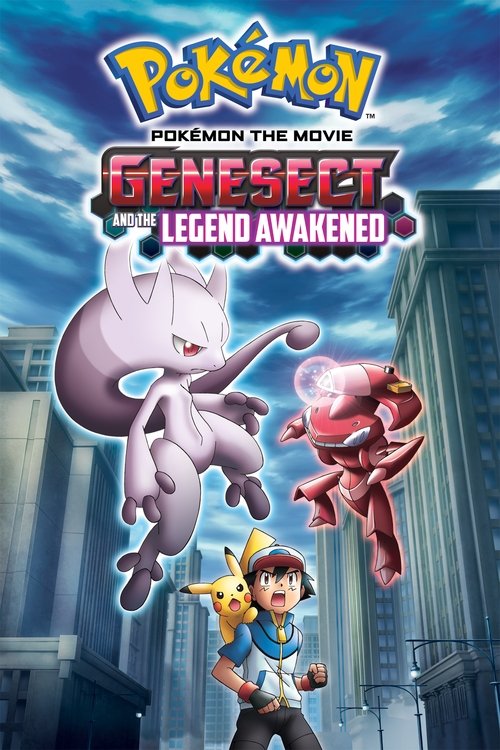
2013
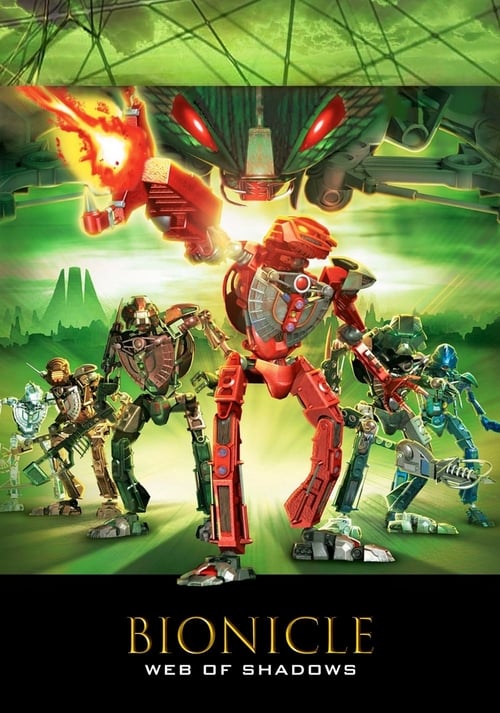
2005
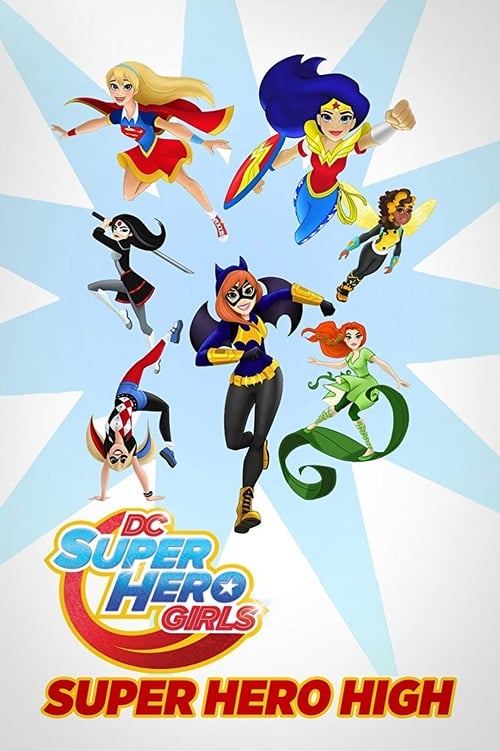
2016
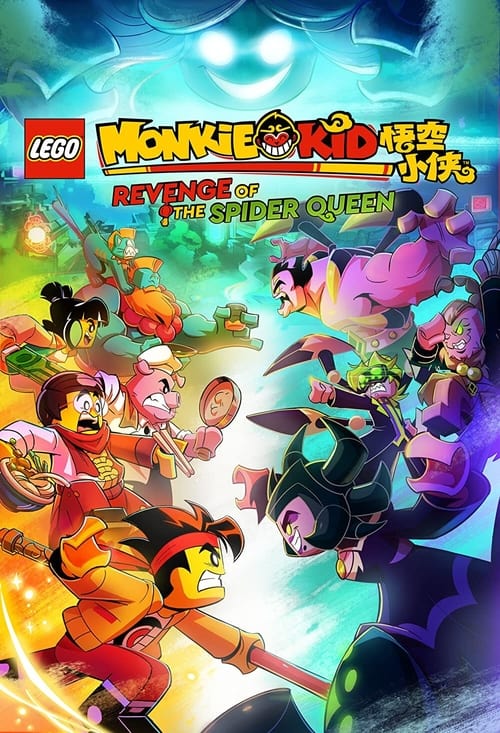
2021
2013
No reviews yet. Be the first to share your thoughts on this movie!
Use the rating form above to leave a star rating and optional review.