Pocoyo & the Space Circus
2008
No user ratings available yet
Representation score: 5.3 out of 10
Representation Score
Minimal
2021
TV-YDirector
Rick Suvalle
Runtime
60 minutes
Average Rating
No ratings yetNew Showbiz Analysis
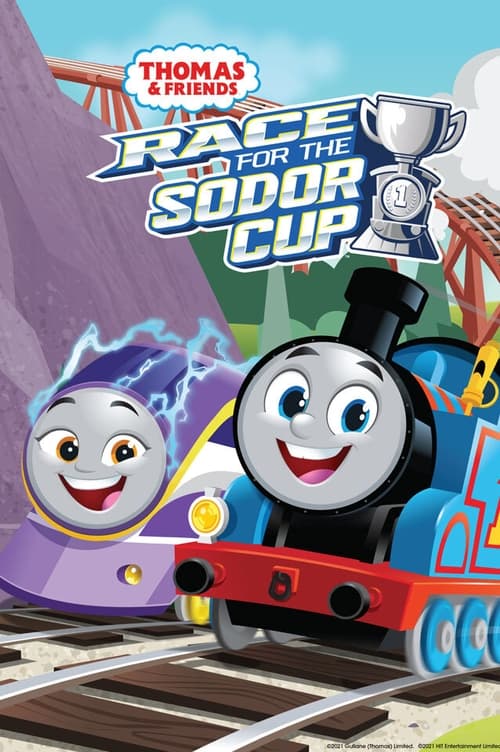
This 2021 animated special centers on anthropomorphic trains competing in a racing event. Because the characters are non-human, racial and ethnic identities are absent from the visual narrative. The story relies on voice casting to suggest international diversity, but on-screen representation remains limited. Gender dynamics follow traditional patterns, with male engines driving the central conflict and female engines serving as capable rivals. Kana’s speed challenges the boys, yet the narrative ultimately emphasizes male teamwork. This structure keeps the focus on conventional competitive dynamics. The film promotes clear values of humility and respect for authority. It avoids complex social conflicts, offering a straightforward, values-driven story for young viewers. The lack of human characters naturally limits the scope for broader representation.
Category Breakdown
No LGBTQ+ characters, relationships, or themes appear in this animated special. The cast consists entirely of anthropomorphic trains focused on racing.
Male engines like Thomas and Gordon drive the plot, while female engines like Kana and Nia serve as key rivals. Kana’s speed challenges the boys, but the narrative centers on male teamwork and competition.
The cast features international voice actors, including Dai Tabuchi as Kenji. However, the characters are non-human trains, so no racial or ethnic identities are depicted on screen.
The story promotes teamwork and humility over individual ego. Traditional authority figures like Sir Topham Hatt are respected. No religious, political, or class conflicts are explored.
No characters with physical or mental disabilities appear. All engines are fully functional, and no disability-related themes or plot points exist in the film.
Present on Screen
Limited or Absent
Official Synopsis
Super-fast Kana is convinced that her speed is all she needs to win the Race for the Sodor Cup, a competition that draws engines from all over the world. However, when a racing practice gone wrong causes her partner, Kenji, to get hurt, Kana ends up paired with Thomas. Kana and Thomas will discover that it takes teamwork to become the best racers they can be, but is it enough to defeat the international champions and win the Sodor Cup?
2008

2018
1989
2011
2020
2011
2026
2009
No reviews yet. Be the first to share your thoughts on this movie!
Use the rating form above to leave a star rating and optional review.