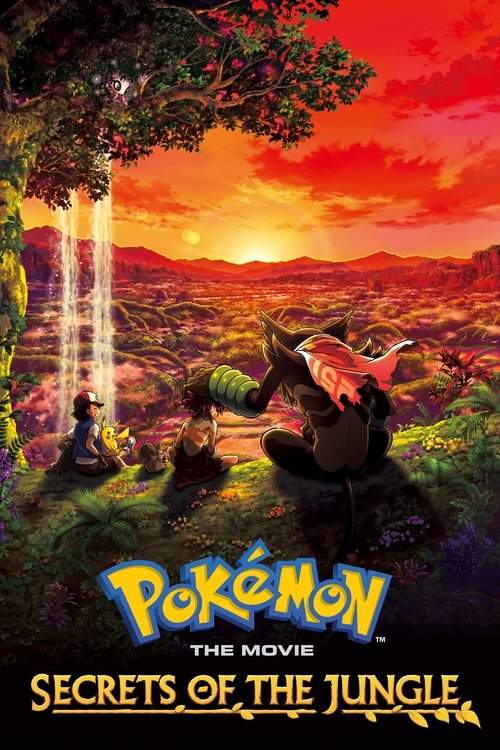
Pokémon the Movie: Secrets of the Jungle
2020
No user ratings available yet
Representation score: 7.9 out of 10
Representation Score
Fair
2018
Not RatedDirector
Tetsuo Yajima
Runtime
98 minutes
Average Rating
No ratings yetNew Showbiz Analysis
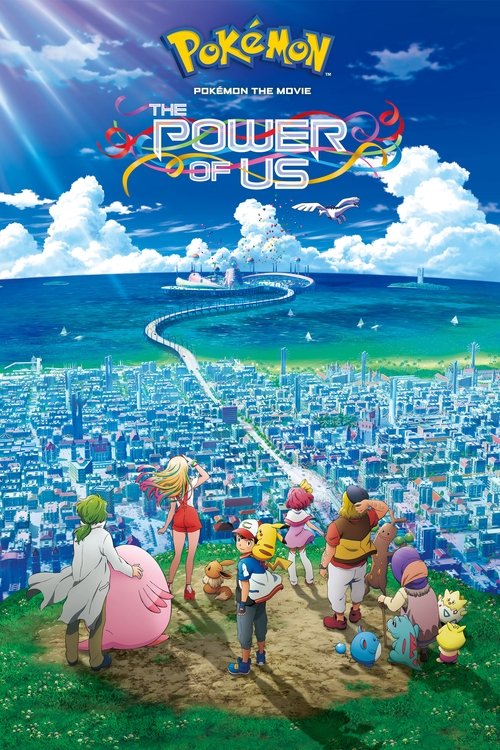
The film is a character-driven ensemble piece that prioritizes empathy and cooperation. It uses a multi-perspective structure to show how different social identities intersect during a crisis, yet it remains within established genre conventions. While the movie offers a balanced ensemble and avoids submissive femininity, it lacks the intentionality to challenge systemic norms. The narrative leans into a stable, benevolent social order rather than deconstructing authority or traditional morality. Ultimately, the work emphasizes community cohesion and the bond between species. It succeeds as a conventional adventure but misses opportunities to engage with complex identity politics or specific underrepresented experiences.
Category Breakdown
The film does not include explicit LGBTQ+ characters or explore non-straight relationships. Instead, it focuses on traditional friendships and the spiritual bond between humans and Pokémon.
Female characters play key roles in the story, including a young athlete and a little girl. They are central to the plot rather than being sidelined or submissive figures.
The cast features children from various socioeconomic backgrounds within a fictional world. However, the character designs emphasize universality rather than specific, multi-layered ethnic distinctions.
The story revolves around the Wind Festival and the mythos of Lugia, promoting a sense of community and tradition. It highlights a harmonious relationship between humans and nature.
The film does not explicitly focus on characters with physical or invisible disabilities. Archetypes such as a shy researcher are used for genre storytelling rather than exploring neurodivergence.
Present on Screen
Limited or Absent
Official Synopsis
A young athlete whose running days might be behind her, a compulsive liar, a shy researcher, a bitter old woman, and a little girl with a big secret—the only thing they have in common is the annual Wind Festival in Fula City. The festival celebrates the Legendary Pokémon Lugia, who brings the wind that powers this seaside city. When a series of threats endangers not just the festival, but all the people and Pokémon of Fula City, it’ll take more than just Satoshi and Pikachu to save the day! Can everyone put aside their differences and work together—or will it all end in destruction?
2020
2009
1998
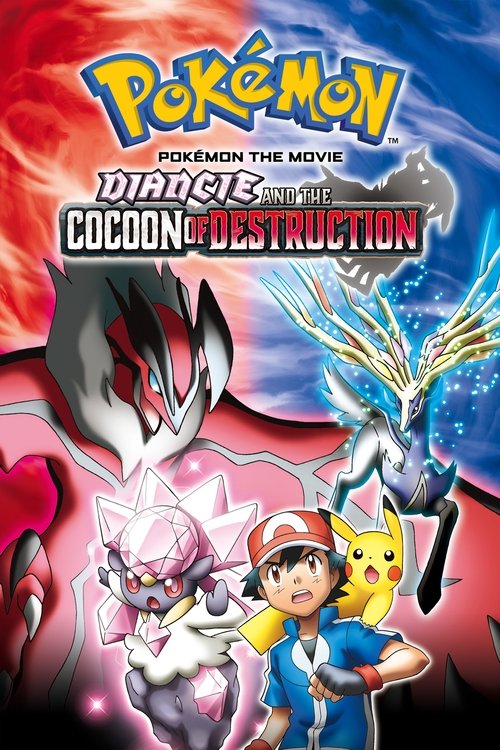
2014
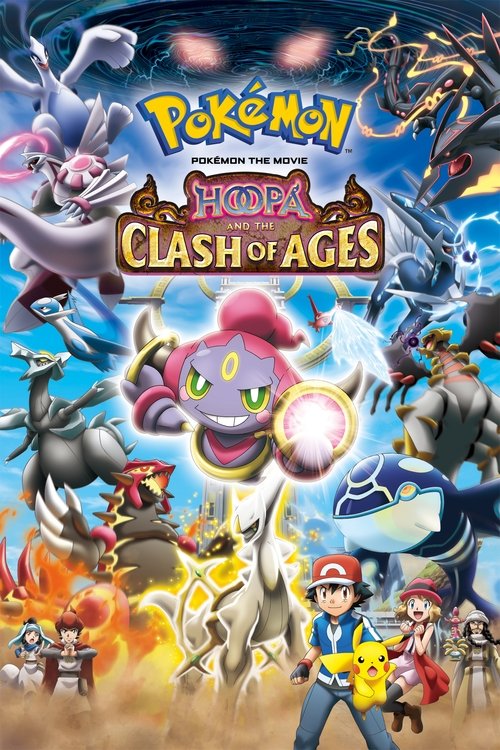
2015
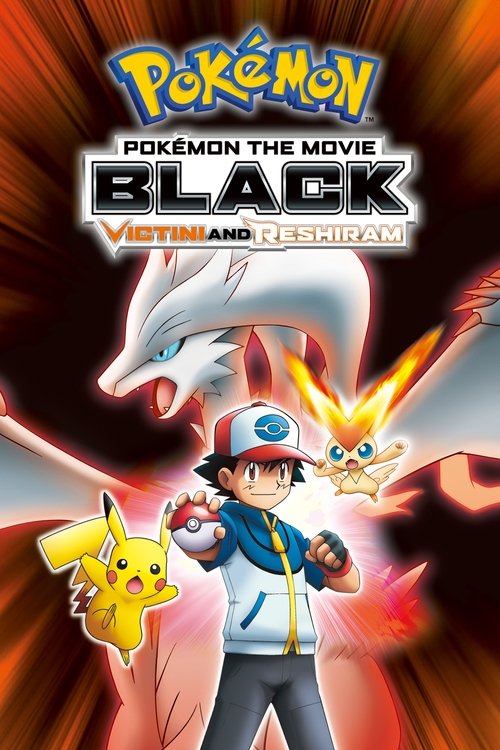
2011

2011
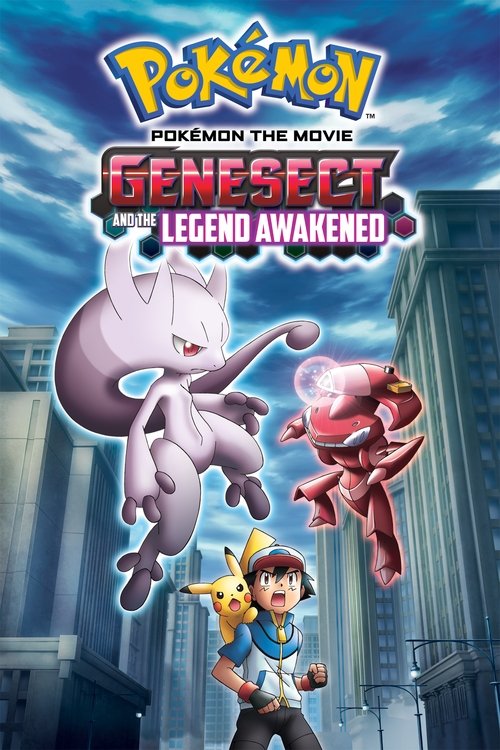
2013
No reviews yet. Be the first to share your thoughts on this movie!
Use the rating form above to leave a star rating and optional review.