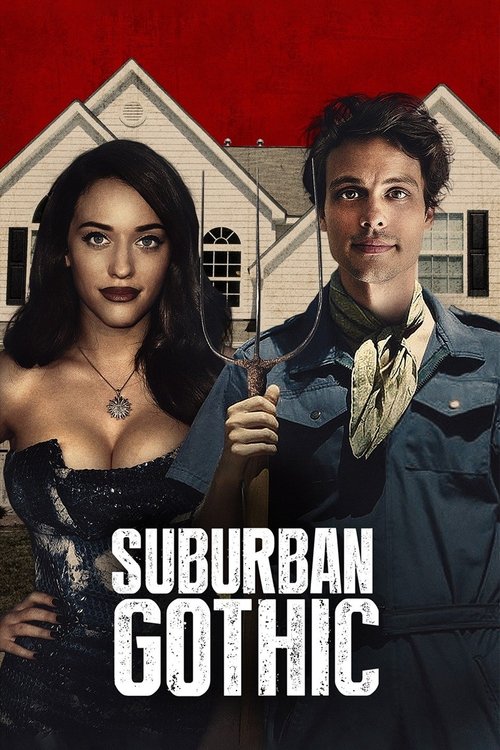
Suburban Gothic
2014
No user ratings available yet
Representation score: 7.3 out of 10

Representation Score
Fair
1996
RDirector
Peter Jackson
Runtime
110 minutes
Average Rating
No ratings yetNew Showbiz Analysis
The film adheres to a traditional demographic framework, featuring a homogeneous cast and limited characters who reflect more than one aspect of diversity. It relies on a small-town setting that reflects a narrow demographic range. Despite this, the film successfully challenges certain stereotypes. By presenting a competent female professional as a rational counterpoint to a chaotic protagonist, it avoids the 'damsel in distress' cliché. Additionally, the narrative delves into the concept of 'otherness' through the lens of supernatural perception, serving as a metaphor for neurodivergence and social exclusion. While the film lacks broad racial and LGBTQ+ representation, it offers a nuanced examination of moral ambiguity and the interplay between individual freedom and institutional constraints.
Category Breakdown
The film does not include any LGBTQ+ characters or storylines involving non-straight relationships. The romantic subplot focuses solely on a traditional heterosexual relationship between the main characters.
Dr. Patricia MacLaren is portrayed as a strong, intelligent woman who challenges common horror clichés. Her role as a psychiatrist adds a layer of stability and skepticism to the story.
The film features a predominantly white cast, which aligns with its small-town setting. There is no significant racial diversity among the main characters or plot drivers.
The narrative questions traditional moral frameworks and the authority of institutions like the FBI. It emphasizes individual choice and autonomy over adherence to strict systems.
The protagonist's unique ability to perceive an invisible reality serves as a metaphor for neurodivergence. However, this element primarily functions as a plot device rather than a detailed exploration of disability.
Present on Screen
Limited or Absent
Official Synopsis
Once an architect, Frank Bannister now passes himself off as an exorcist of evil spirits. To bolster his facade, he claims his "special" gift is the result of a car accident that killed his wife. But what he does not count on is more people dying in the small town where he lives. As he tries to piece together the supernatural mystery of these killings, he falls in love with the wife of one of the victims and deals with a crazy FBI agent.
2014
1988
1995
1966

2014
1988
1990

2014
No reviews yet. Be the first to share your thoughts on this movie!
Use the rating form above to leave a star rating and optional review.