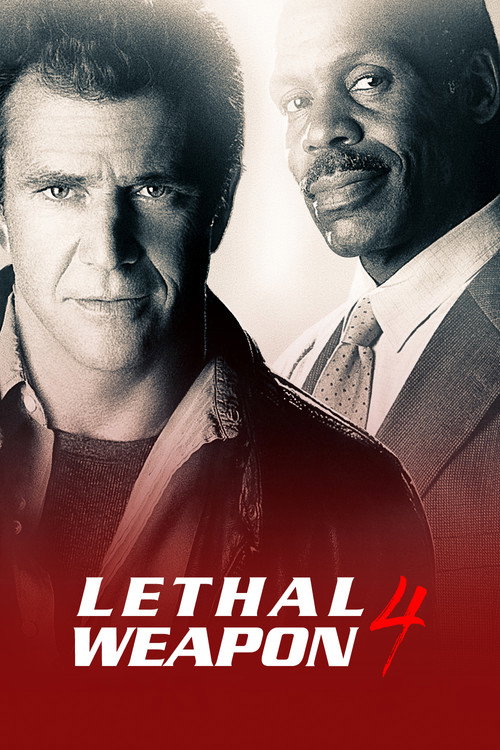
Lethal Weapon 4
1998
No user ratings available yet
Representation score: 0.8 out of 10
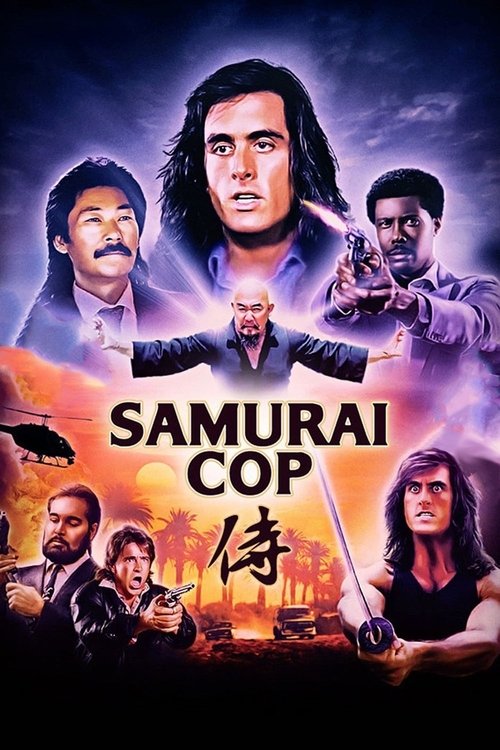
Representation Score
Limited
1991
UnratedDirector
Amir Shervan
Runtime
96 minutes
Average Rating
No ratings yetNew Showbiz Analysis
Samurai Cop is a typical product of early 90s independent action cinema, emphasizing stylized excess and genre clichés over social complexity. The film adheres to conventional action-comedy clichés, reinforcing rather than challenging established norms. The narrative structure relies heavily on traditional hierarchies, avoiding the intentionality needed to disrupt systemic norms. Instead, it leans into the hyper-violent, campy clichés of the era's crime thrillers. Overall, the film offers limited diverse representation, focusing primarily on the 'lone hero' archetype and a male-dominated combat narrative.
Category Breakdown
The film does not include any LGBTQ+ identities or non-assuming gender matches what was assigned at birth representation. It does not attempt to explore or challenge standard gender norms.
Female characters play minor roles, often serving merely as catalysts for the male protagonist. The story focuses on male-centric combat and leadership, leaving little room for female influence.
The film centers on the Yakuza but relies on stereotypical 'othering' clichés common in 90s thrillers. The predominantly white cast lacks nuanced cultural depth or exploration of diverse backgrounds.
The narrative follows a standard justice-versus-crime storyline without questioning systemic issues. It reinforces the lone hero archetype within traditional Western law enforcement structures.
The film does not depict any visible or invisible disabilities. Characters are defined by physical prowess and combat skills rather than conditions like neurodivergence or chronic illness.
Present on Screen
Limited or Absent
Official Synopsis
When Japanese organized crime imbeds itself within LA, the police turn to one man to take down the deadly Yakuza — Joe Marshall, aka "The Samurai." With his fearless swagger and rock hard jaw, The Samurai tears a two-fisted hole through the mob and doesn't stop until the job is done.
1998

1991
1984
1999
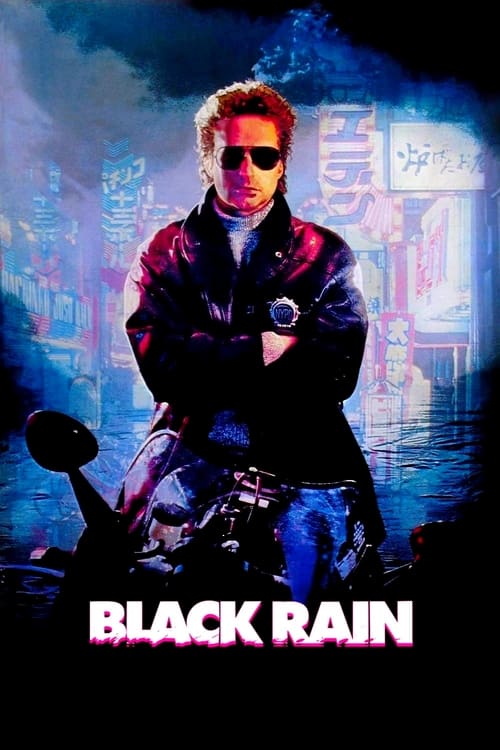
1989
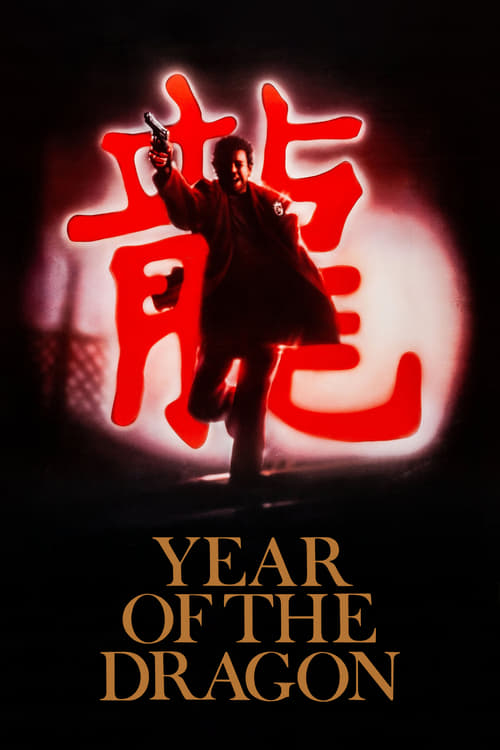
1985
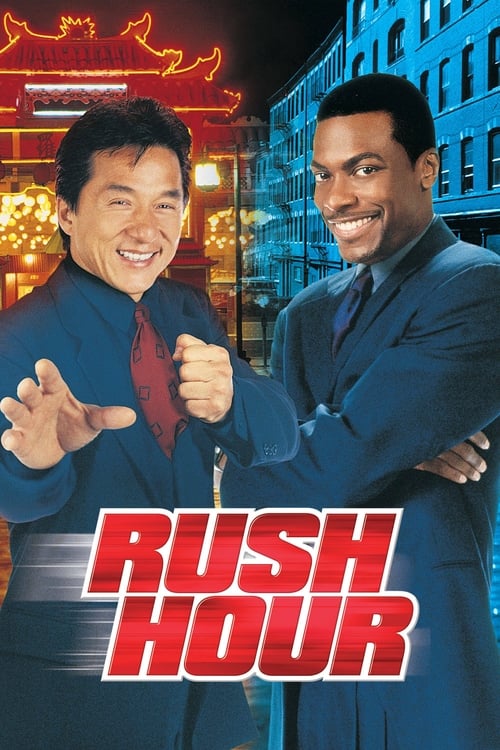
1998
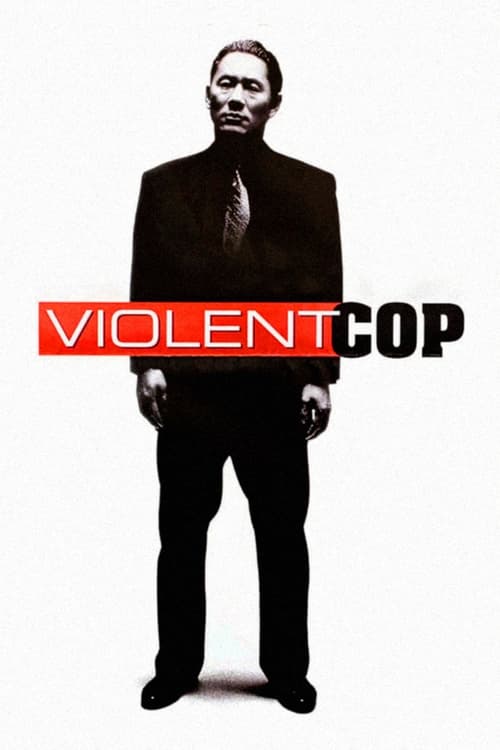
1989
No reviews yet. Be the first to share your thoughts on this movie!
Use the rating form above to leave a star rating and optional review.